


There’s something magical about a well-made lasagna, its layers of pasta, meat, and cheese coming together in perfect harmony.
This hearty meat lasagna recipe is the ultimate crowd pleaser, offering a comforting experience that satisfies both the heart and the stomach.
I still remember the first time I tasted a homemade lasagna; it was at a family gathering, and it instantly became a cherished memory.
The richness of the meat sauce combined with the creamy texture of the cheese creates an unforgettable flavor profile.
Perfect for both casual family dinners and special occasions, this lasagna promises to impress with its depth of flavor and straightforward preparation.
Dive into the layers of tradition and flavor, and let this lasagna become a staple in your culinary repertoire.
The History and Cultural Significance
• Hearty Meat Lasagna traces its origins to Ancient Rome, where it was originally created by layering sheets of pasta with meat and cheese.
• The dish evolved over decades as different regions in Italy adapted it with local ingredients and preferences, eventually becoming the beloved version we know today.
• In Italy, this dish traditionally appears at family gatherings and festive occasions, symbolizing unity and celebration.
• While many variations exist across different regions, the authentic version maintains the balance of rich meat sauce, creamy cheese layers, and perfectly cooked pasta that sets it apart from imitations.
Recipe Overview
Nutritional Information (per serving)
Essential Equipment Guide
Baking Dish: A large, deep baking dish is crucial for achieving the proper layers in your lasagna. Look for a dish with high sides to prevent overflow and ensure even cooking.
Heavy-Bottomed Pot: This is important for making the meat sauce, as a heavy-bottomed pot ensures even heat distribution and prevents sticking. Alternatives like non-stick pots can also work, but may not develop the same depth of flavor.
Sharp Chef’s Knife: A sharp knife is essential for preparing ingredients like onions and garlic efficiently and safely. When selecting a knife, ensure it feels balanced in your hand and offers a comfortable grip.
Ingredients
For the Meat Sauce
|
|
| Amount | Ingredient | Notes |
|---|---|---|
| 1 pound | ground beef | provides hearty flavor |
| 1 pound | Italian sausage | adds spice and depth |
| 1 large | onion | finely chopped |
| 4 cloves | garlic | minced, enhances aroma |
| 28 ounces | crushed tomatoes | base of the sauce |
| 2 tablespoons | tomato paste | thickens sauce |
| 1 teaspoon | dried basil | adds aromatic flavor |
| 1 teaspoon | dried oregano | enhances Italian essence |
For the Cheese Layer
| Amount | Ingredient | Notes |
|---|---|---|
| 15 ounces | ricotta cheese | creamy texture |
| 1 large | egg | binds the cheese mixture |
| 1/2 cup | grated Parmesan cheese | adds richness |
For Assembly
| Amount | Ingredient | Notes |
|---|---|---|
| 12 sheets | lasagna noodles | cooked al dente |
| 3 cups | mozzarella cheese | shredded, melty topping |
Preparation Methods
Sautéing: This technique involves cooking the onions and garlic in a bit of oil until they are soft and translucent. It's crucial for developing the base flavor of the sauce. Keep the heat medium to avoid burning, and stir frequently.
Simmering: Letting the sauce simmer allows the flavors to meld and the sauce to thicken. This step is essential for a rich, flavorful meat sauce. Keep the pot partially covered and stir occasionally to prevent sticking.
Layering: Proper layering ensures even cooking and flavor distribution in the lasagna. Start with a thin layer of sauce at the bottom to prevent sticking, then alternate between noodles, meat sauce, and cheese mixtures.
Step 1: Prepare Ingredients
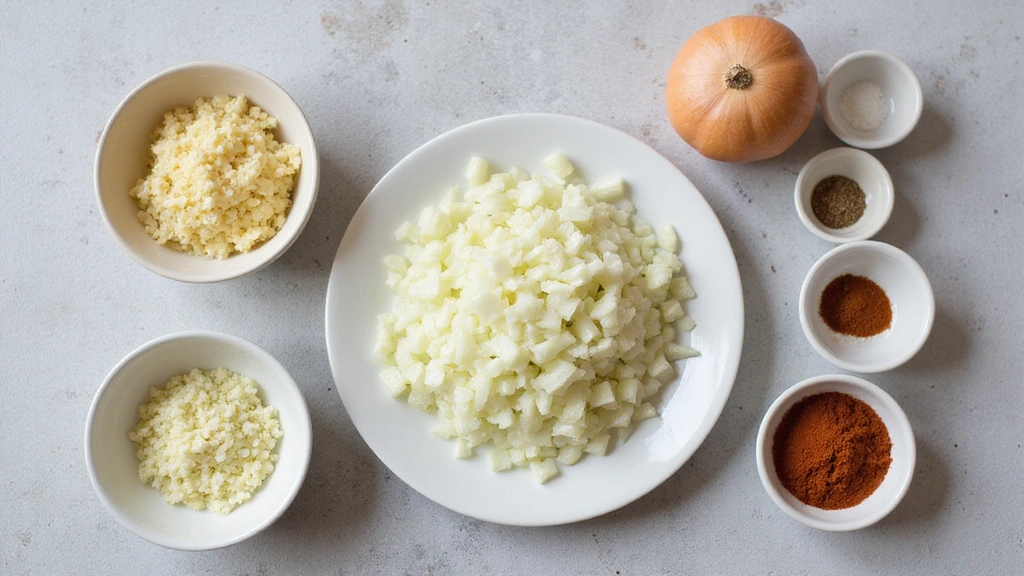
Gather all ingredients and measure them according to the recipe.
Chop the onions and mince the garlic to prepare for sautéing.
Ensure all elements are within reach to streamline the cooking process.
Check the ingredients for freshness and quality.
Step 2: Cook the Meat
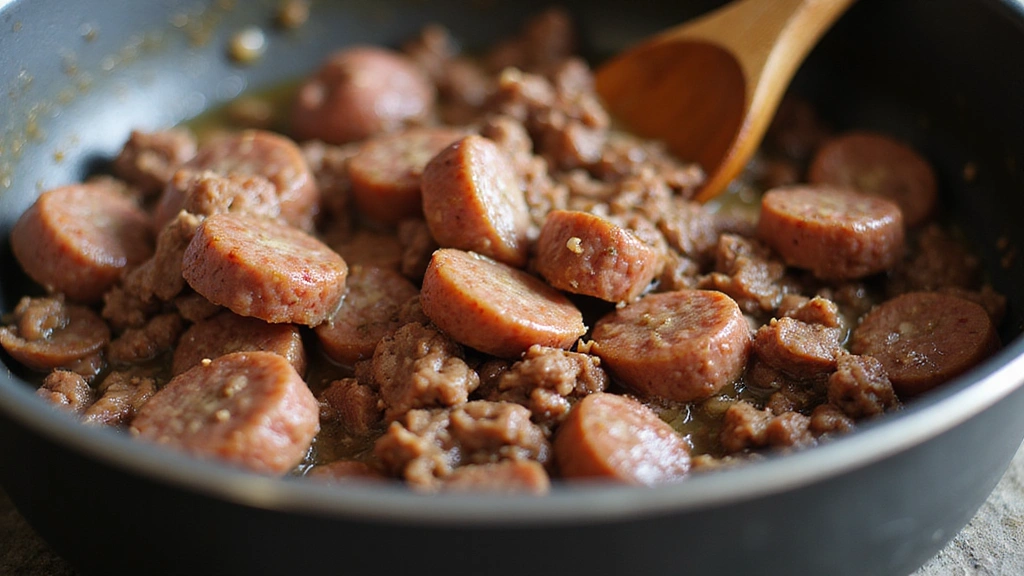
Heat a large, heavy-bottomed pot over medium heat.
Add the ground beef and Italian sausage, breaking them apart with a wooden spoon.
Cook until browned and no longer pink, ensuring even cooking throughout.
Drain excess fat to avoid a greasy sauce.
Step 3: Sauté the Vegetables
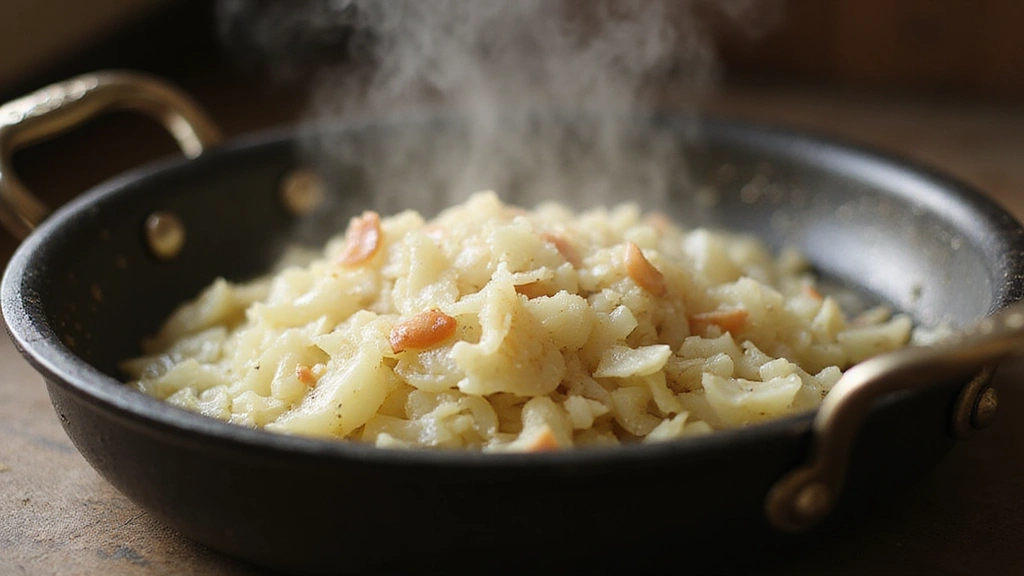
In the same pot, add a tablespoon of olive oil.
Add chopped onions and minced garlic, stirring until fragrant.
Cook until onions are soft and translucent, about 5 minutes.
Avoid high heat to prevent burning the garlic.
Step 4: Make the Sauce
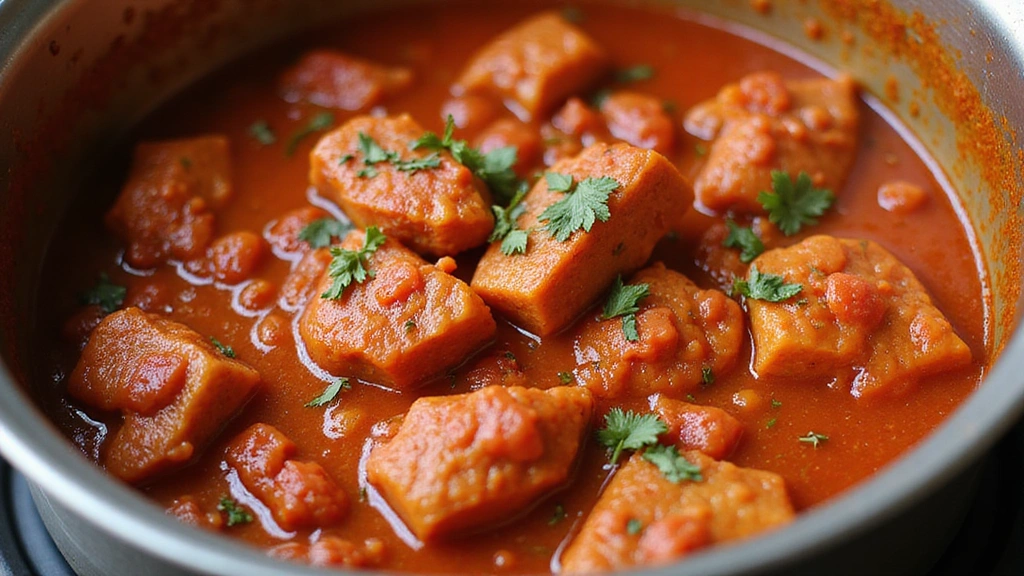
Add crushed tomatoes and tomato paste to the pot.
Stir in the browned meat, basil, and oregano.
Bring the mixture to a gentle simmer, stirring occasionally.
Let the sauce simmer for at least 30 minutes to concentrate flavors.
Step 5: Prepare the Cheese Mixture
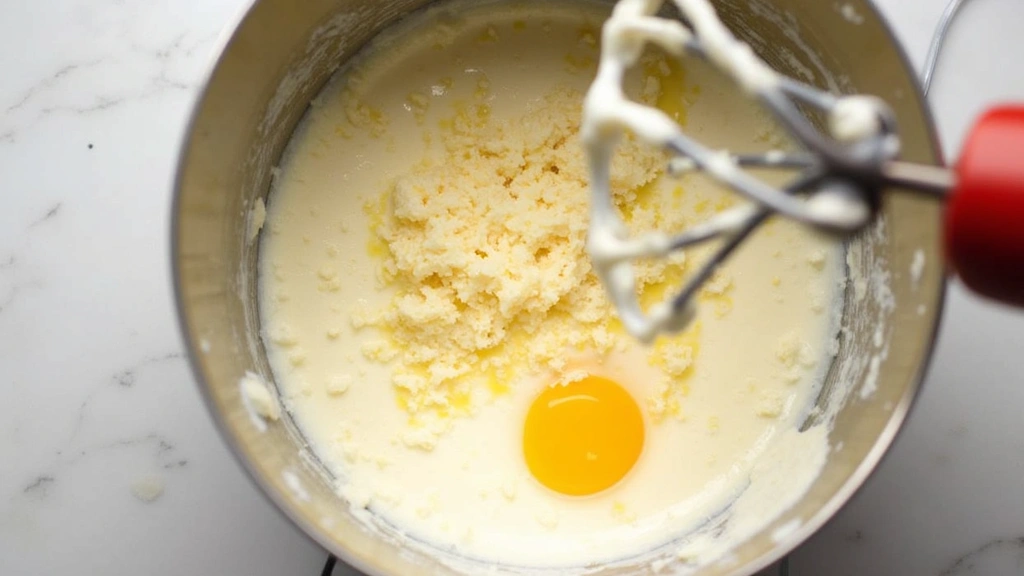
In a bowl, combine ricotta cheese, egg, and Parmesan cheese.
Mix well until fully combined and smooth.
Ensure the egg is thoroughly incorporated into the cheese mixture.
Set aside for assembly.
Step 6: Cook the Noodles
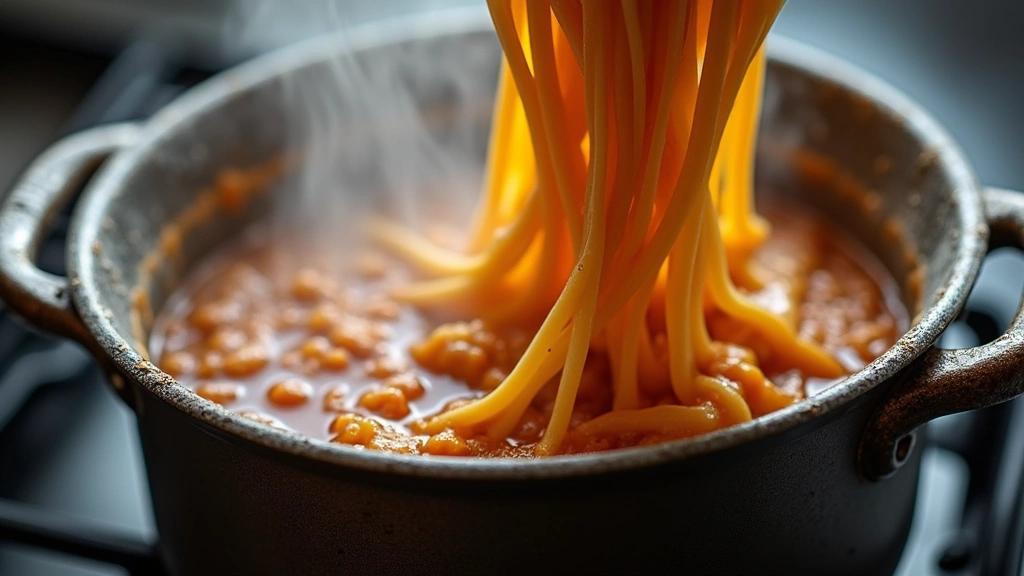
Bring a large pot of salted water to a boil.
Add lasagna noodles and cook until al dente, about 8 minutes.
Drain and lay flat on a baking sheet to prevent sticking.
Use a fork to separate any noodles that stick together.
Step 7: Assemble the Lasagna
Preheat the oven to 375°F (190°C).
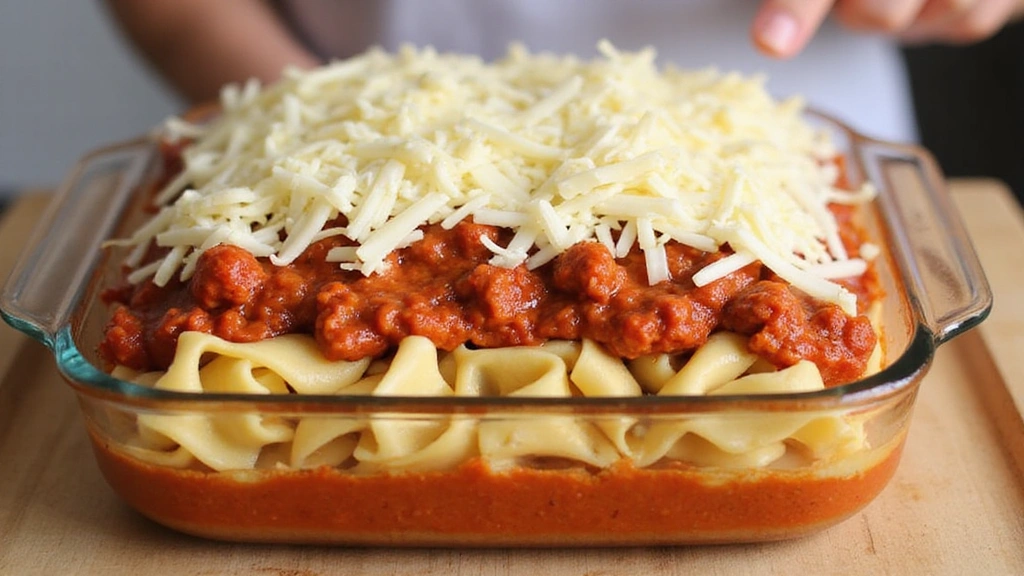
Spread a thin layer of meat sauce on the bottom of the baking dish.
Layer 3 noodles over the sauce, followed by a third of the cheese mixture and a third of the meat sauce.
Repeat layers, finishing with a generous layer of mozzarella cheese on top.
Step 8: Bake the Lasagna
Cover the baking dish with aluminum foil.
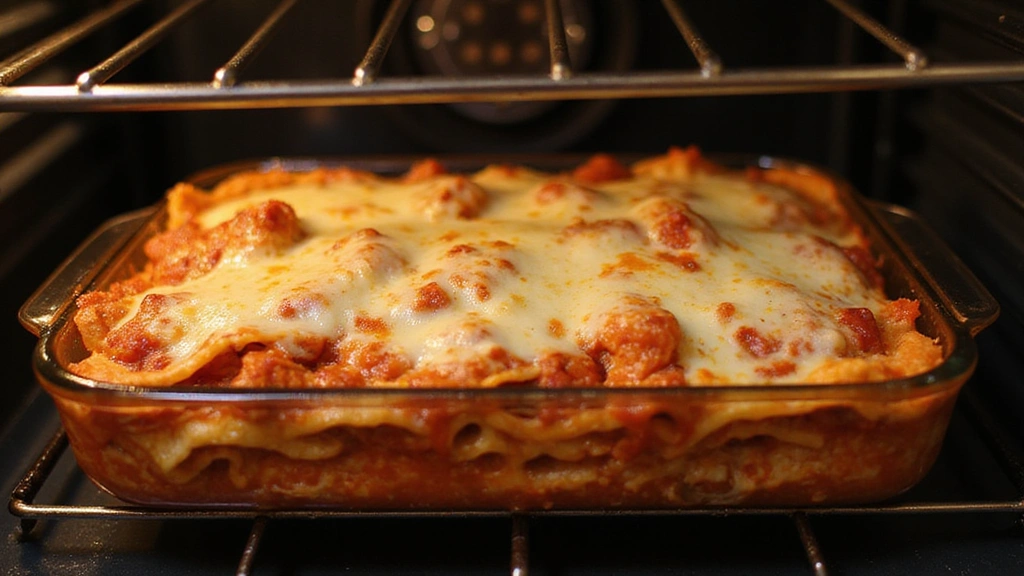
Place in the preheated oven and bake for 25 minutes.
Remove the foil and bake for an additional 15 minutes until the cheese is bubbly and golden.
Let the lasagna rest for 10 minutes before serving.
Critical Timing and Temperature Guide
Sautéing Vegetables: Cook onions and garlic over medium heat for about 5 minutes, until onions are translucent. Avoid high heat to prevent burning.
Simmering Sauce: Let the sauce simmer at low heat for at least 30 minutes. The sauce should thicken and develop a rich flavor.
Baking Lasagna: Bake at 375°F (190°C) for 40 minutes in total. Look for bubbling cheese and a golden brown top as indicators of doneness.
Pro Tips for Hearty Meat Lasagna
• Ingredient Selection: Choose high-quality Italian sausage and ripe tomatoes for the richest flavor.
• Preparation Secret: Always let the meat sauce simmer longer than you think; this deepens the flavor significantly.
• Temperature Management: Ensure the sauce is simmering, not boiling, to prevent it from becoming too watery.
• Texture Enhancement: Use a mix of ground beef and sausage for a more varied texture in the meat layer.
• Flavor Layering: Add a dash of red wine to the sauce for extra depth and complexity.
• Make-Ahead Strategies: Prepare the meat sauce a day in advance; it will taste even better after resting.
• Restaurant-Quality Finishing Touches: Garnish with freshly chopped basil and a drizzle of olive oil before serving.
• Equipment Optimization: Use a deep baking dish to prevent overflow and ensure even cooking.
Troubleshooting Common Issues
• Texture Too Dense: If the lasagna is too dense, try reducing the amount of cheese or using a lighter ricotta.
• Flavors Unbalanced: Adjust seasoning by adding salt and herbs gradually, tasting as you go.
• Overcooked Pasta: Ensure noodles are cooked al dente, as they will continue to cook during baking.
• Runny Sauce: Simmer the sauce longer to reduce excess liquid and achieve the right consistency.
• Cheese Not Melting Evenly: Use freshly shredded mozzarella for better melting properties.
• Burnt Top: Cover the lasagna with foil if the top is browning too quickly.
Variations and Regional Differences
• Neapolitan Lasagna: This version includes hard-boiled eggs and small meatballs, reflecting the richness of Neapolitan cuisine.
• Vegetarian Lasagna: Replace meat with a variety of roasted vegetables like zucchini, spinach, and bell peppers for a lighter option.
• Seafood Lasagna: Popular in coastal regions, this variation uses shrimp and crab in place of traditional meats.
• White Lasagna: Known as 'Lasagna Bianca,' it skips the tomato sauce in favor of a creamy béchamel sauce.
Food Science Behind the Recipe
• Maillard Reaction: This chemical reaction occurs when browning the meat, enhancing flavor through a complex series of reactions between amino acids and sugars.
• Emulsification: The process of combining fat and water components in the sauce, creating a smooth, cohesive texture.
• Gelatinization: Occurs when cooking the noodles, where starches absorb water and expand, giving pasta its structure.
Frequently Asked Questions
What's the most common mistake people make when preparing lasagna? Overcooking the pasta is a common mistake; always aim for al dente as it will continue to cook in the oven.
Can I freeze lasagna? Yes, lasagna freezes well either before or after baking. Ensure it is tightly wrapped to prevent freezer burn.
How do I prevent my lasagna from being watery? Simmer the sauce longer to reduce liquid and ensure proper drainage of cooked noodles.
Can I make lasagna gluten-free? Absolutely, use gluten-free lasagna noodles available in most grocery stores.
How can I add more flavor to the meat sauce? Consider adding a splash of red wine or balsamic vinegar for depth.
Why is my cheese layer not creamy? Ensure the ricotta mixture is well-mixed and not too cold when layering.
How do I know when my lasagna is done? The top should be golden brown and the sauce should be bubbling around the edges.
Is it necessary to let the lasagna rest before serving? Yes, resting allows the layers to set, making it easier to slice and serve.
Serving and Presentation Guide
• Traditional Presentation: Serve in large, even squares with a side of garlic bread and a simple green salad.
• Casual Gathering: Present in the baking dish, allowing guests to serve themselves family-style.
• Formal Dinner: Plate individually with a drizzle of balsamic reduction and a sprig of fresh basil.
• Buffet Style: Cut into smaller, manageable portions for guests to enjoy as part of a larger spread.
Conclusion
This hearty meat lasagna recipe is more than just a meal; it's a celebration of tradition and flavor.
By following these detailed steps and tips, you’ll achieve a lasagna that’s both impressive and heartwarming.
Whether for a family dinner or a special occasion, this dish is sure to become a favorite in your home.
So gather your ingredients and get ready to enjoy the ultimate crowd pleaser.