


There’s something magical about a well-made lasagna that captures the heart and soul of Italian cuisine.
With layers of rich, savory flavors and gooey cheese, this dish is the epitome of comfort food.
I first fell in love with this recipe during a cozy family gathering where it was the star of the table.
The beauty of this lasagna lies in its simplicity, combining staple ingredients to create something extraordinary.
Whether it’s a weeknight dinner or a festive occasion, this lasagna will surely become a staple in your kitchen.
The History and Cultural Significance
• Lasagna traces its origins to Ancient Rome, where it was originally created by layering pasta and fillings.
• The dish evolved over decades as tomatoes and cheese were introduced, eventually becoming the beloved version we know today.
• In Italy, this dish traditionally appears at Sunday family gatherings, symbolizing love and togetherness.
• While many variations exist across different regions, the authentic version maintains its layered structure that sets it apart from imitations.
Recipe Overview
Nutritional Information (per serving)
Essential Equipment Guide
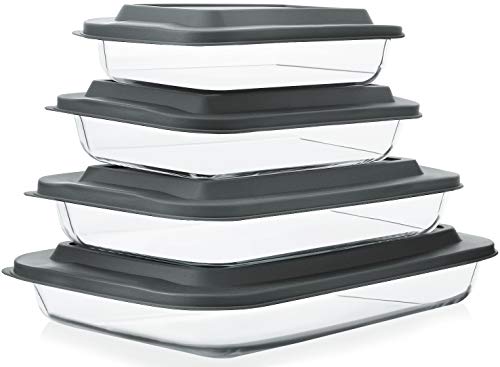
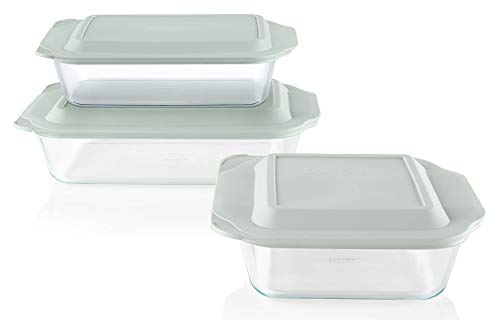
Baking Dish: A high-quality baking dish is essential for even cooking and presentation. Look for a ceramic or glass dish to ensure heat distribution and an attractive serving vessel.
Large Saucepan: You’ll need a large saucepan for preparing the sauce, which is the heart of the lasagna. A heavy-bottomed pan will prevent burning and distribute heat evenly.
Cheese Grater: Freshly grated cheese melts more evenly and provides a superior texture. A sturdy grater with different size options will be versatile for various cheese types.


Ingredients
For the Base
|
|
| Amount | Ingredient | Notes |
|---|---|---|
| 12 pieces | lasagna noodles | cooked al dente |
For the Sauce
| Amount | Ingredient | Notes |
|---|---|---|
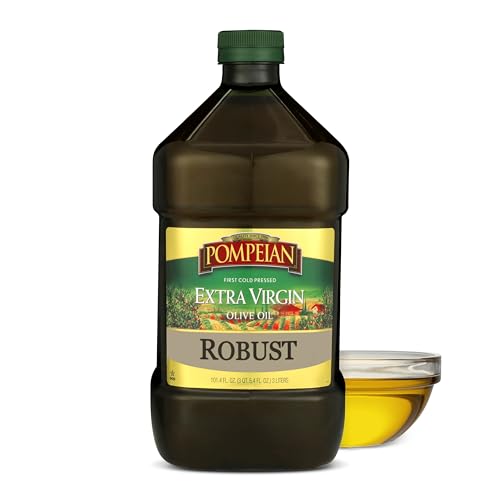
| 2 tablespoons | olive oil | for sautéing |
| 1 pound | ground beef | adds richness |
| 2 cloves | garlic | minced for flavor |
Vegetables
| Amount | Ingredient | Notes |
|---|---|---|
| 1 large | onion | finely chopped |
| 1 medium | carrot | diced |
Seasonings
| Amount | Ingredient | Notes |
|---|---|---|
| 1 teaspoon | dried oregano | adds depth |
| 1 teaspoon | dried basil | for aroma |
Cheese Layer
| Amount | Ingredient | Notes |
|---|---|---|
| 2 cups | ricotta cheese | creamy texture |
| 1 cup | parmesan cheese | grated |
Topping
| Amount | Ingredient | Notes |
|---|---|---|
| 2 cups | mozzarella cheese | shredded, for melting |



Preparation Methods
Sautéing: This technique involves cooking ingredients in a small amount of oil at high heat. It's crucial for developing flavors in the sauce by caramelizing the onions and browning the meat. Keep stirring to avoid burning.
Layering: Layering is key to a perfect lasagna. Start with a thin layer of sauce at the bottom of the baking dish to prevent sticking. Alternate between noodles, sauce, and cheese to build a structured dish.
Simmering: Allow the sauce to simmer gently after combining all ingredients. This process helps meld flavors and thicken the sauce. Keep the heat low and stir occasionally to avoid scorching.



Step 1: Prepare Ingredients
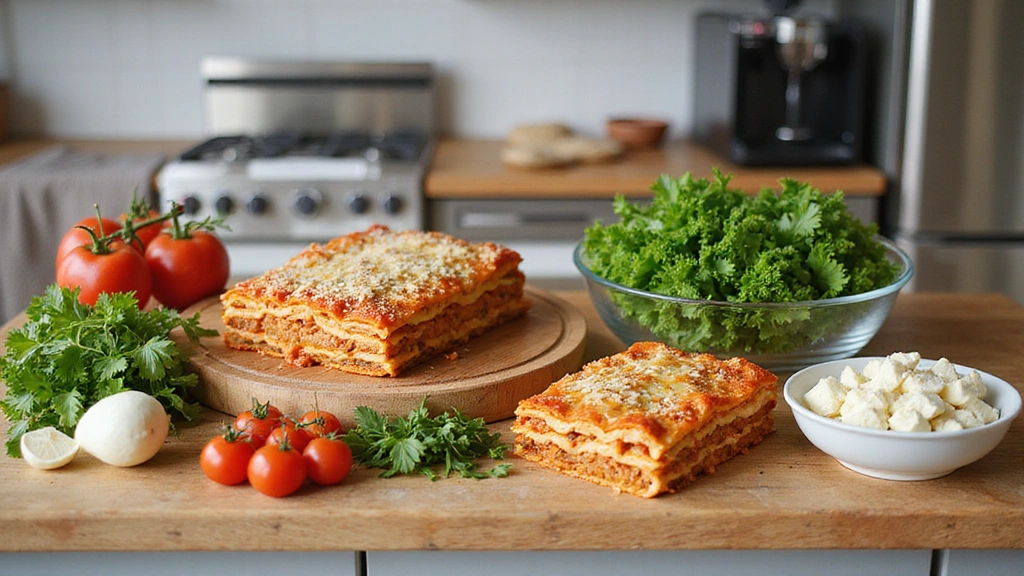
Gather all ingredients and equipment needed for the recipe.
Ensure vegetables are chopped, cheese is grated, and noodles are cooked al dente.
Double-check quantities to ensure you have enough for each layer.
Proper preparation will streamline the cooking process.
Step 2: Sauté Vegetables
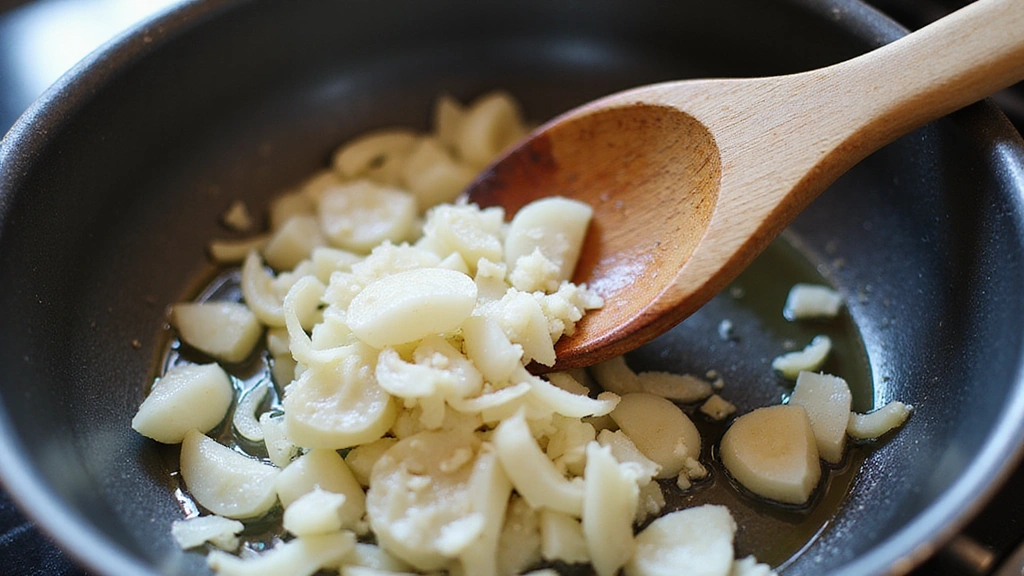
Heat olive oil in a large saucepan over medium heat.
Add chopped onions, garlic, and carrots, stirring until softened.
The onions should become translucent and aromatic.
Avoid browning the garlic to prevent bitterness.


Step 3: Brown the Meat
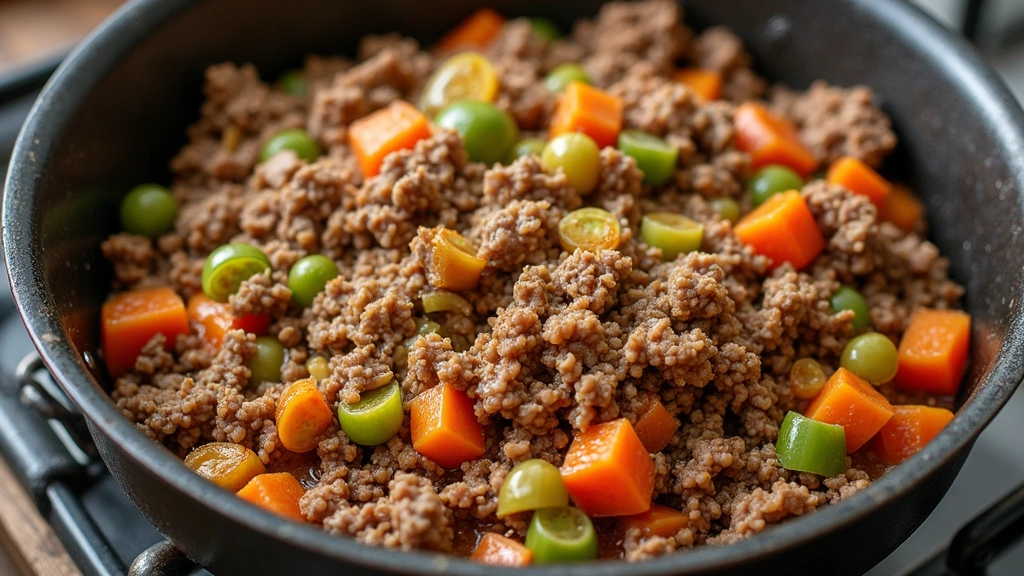
Add ground beef to the sautéed vegetables, breaking it up with a spoon.
Cook until the meat is browned and no longer pink.
Ensure the meat is evenly cooked and well combined with vegetables.
Drain excess fat to keep the sauce from becoming greasy.
Step 4: Prepare the Sauce
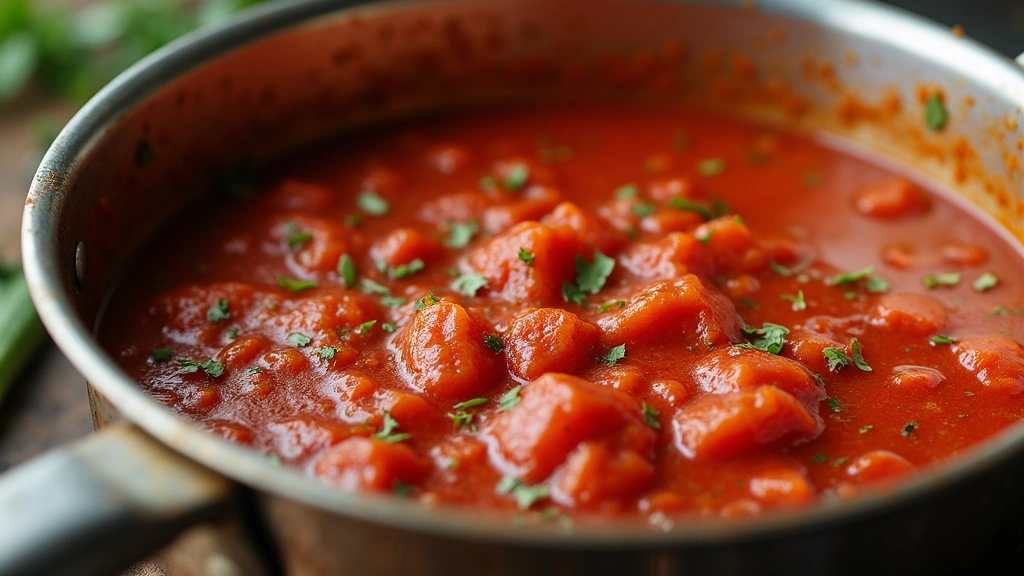
Add tomatoes, oregano, and basil to the meat mixture.
Stir well to combine all ingredients.
Bring to a gentle simmer, allowing flavors to meld.
The sauce should thicken slightly with a rich aroma.
Step 5: Assemble the Lasagna
Preheat the oven to 375°F (190°C) while assembling.
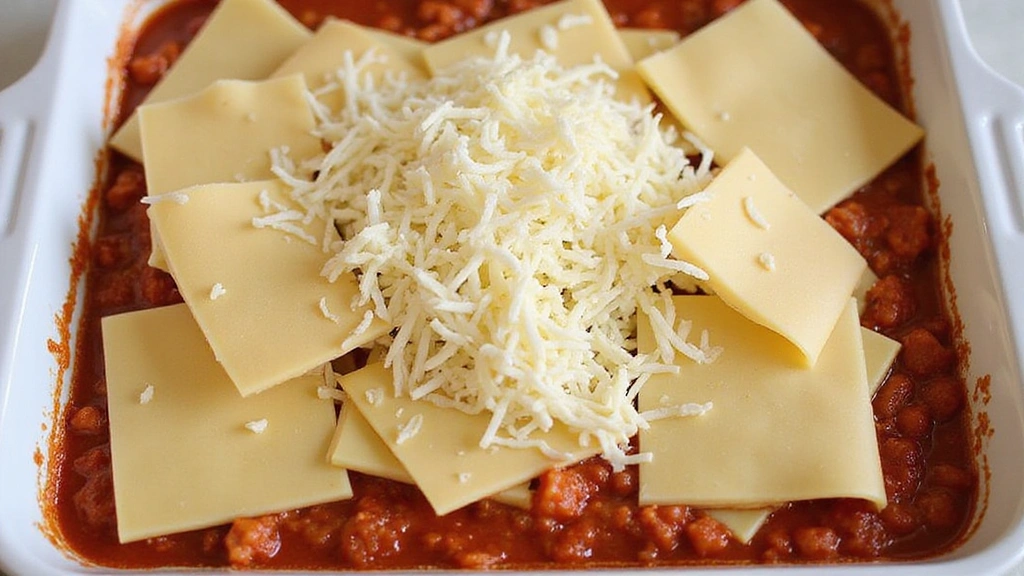
Spread a thin layer of sauce on the bottom of a baking dish.
Place lasagna noodles over the sauce, followed by a layer of ricotta and mozzarella.
Repeat layers, ending with sauce and a generous topping of mozzarella.

Step 6: Bake the Lasagna
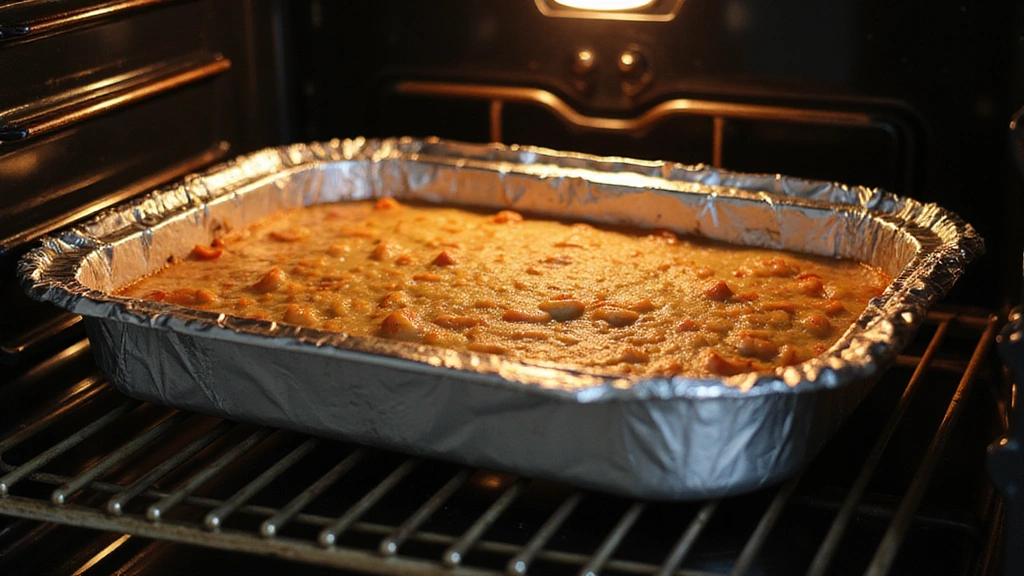
Cover the assembled lasagna with foil to prevent drying.
Place the dish in the preheated oven and bake for 25 minutes.
Remove the foil and bake for an additional 15 minutes.
The cheese should be golden brown and bubbling.
Step 7: Rest the Lasagna
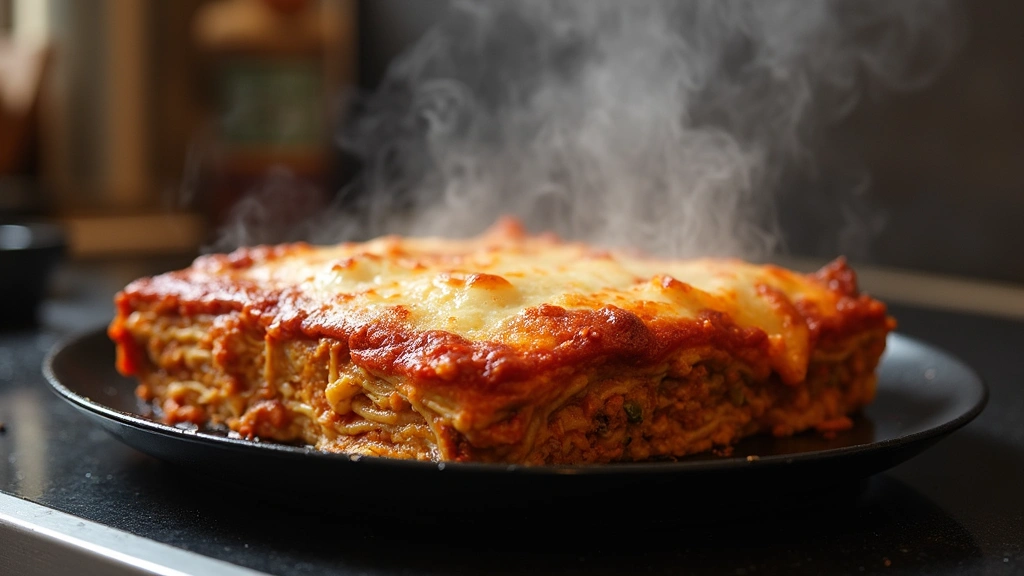
Remove the lasagna from the oven and let it rest.
Allow it to cool for at least 15 minutes before slicing.
Resting helps the layers set for easier serving.
This step enhances the texture and presentation.
Step 8: Serve and Enjoy
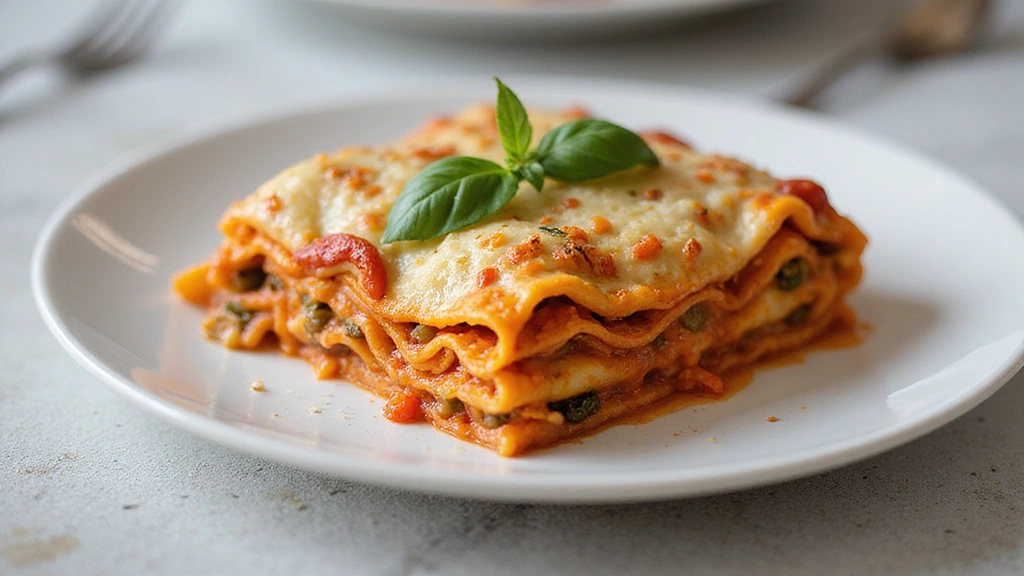
Slice the rested lasagna into even portions.
Use a spatula to carefully lift each piece onto plates.
Garnish with fresh basil leaves for a pop of color.
Serve warm with a side salad or garlic bread.


Critical Timing and Temperature Guide
Baking Process: Bake at 375°F (190°C) for 40 minutes total, checking for bubbling cheese and golden edges. Avoid overbaking to prevent dryness.
Sauce Simmering: Simmer sauce for at least 15 minutes, stirring occasionally. Watch for thickening and a cohesive flavor profile.
Noodle Cooking: Cook noodles until al dente, about 8-10 minutes. Overcooked noodles can become mushy during baking.
Pro Tips for Lasagna Recipe You’ll
• Ingredient Selection: Use high-quality canned tomatoes and fresh herbs for a vibrant sauce.
• Preparation Secret: Let the sauce cool slightly before layering to prevent soggy noodles.
• Temperature Management: Ensure oven is fully preheated before baking to achieve even cooking.
• Texture Enhancement: Mix ricotta with an egg to create a lighter, fluffier cheese layer.
• Flavor Layering: Add a pinch of nutmeg to the cheese mixture for depth.
• Make-Ahead Strategies: Assemble the lasagna a day ahead and refrigerate, then bake when needed.
• Restaurant-Quality Finishing Touches: Broil the top for 2 minutes for extra crispiness.
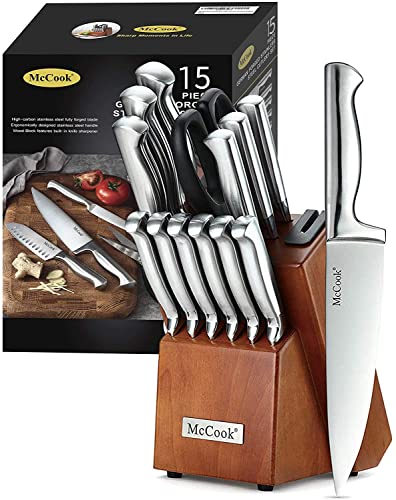
• Equipment Optimization: Use a sharp knife for clean slices when serving.




Troubleshooting Common Issues
• Texture Too Dense: Caused by overcooking noodles or not using enough sauce. Recognize by overly firm layers.
• Flavors Unbalanced: Often due to under-seasoning. Taste sauce before assembling and adjust salt levels.
• Soggy Layers: Results from excess moisture in sauce or overcooked noodles. Drain noodles thoroughly and simmer sauce longer.
• Cheese Not Melting: Ensure cheese is freshly grated and bake uncovered for the last 15 minutes.
• Burnt Edges: Cover with foil during initial baking and use a baking dish with high sides.





Variations and Regional Differences
• Northern Italian Version: Uses béchamel sauce instead of ricotta, creating a creamier texture.
• Southern Italian Style: Incorporates ricotta and mozzarella for a richer flavor profile.
• Vegetarian Variation: Substitute meat with layers of grilled vegetables like zucchini and eggplant.
• Seafood Lasagna: Includes shrimp, crab, and a seafood-based sauce for a coastal twist.
Food Science Behind the Recipe
• Maillard Reaction: This chemical reaction occurs when browning the meat, enhancing savory flavors.
• Gelatinization: Starch in the noodles absorbs moisture, thickening the layers and holding them together.
• Emulsification: Cheese and sauce combine to create a smooth, creamy texture in the final dish.
Frequently Asked Questions
What's the most common mistake people make when preparing lasagna? Overcooking the noodles is a frequent error, leading to a mushy texture in the final dish.
Can I make lasagna without boiling the noodles first? Yes, using oven-ready noodles or soaking regular noodles in hot water can eliminate the need for boiling.
How can I ensure my lasagna isn't watery? Use thicker sauce and drain any excess liquid from vegetables and noodles before layering.
Is it better to bake lasagna covered or uncovered? Start covered to retain moisture, then uncover towards the end to brown the cheese.
Can I freeze leftover lasagna? Absolutely, lasagna freezes well. Wrap tightly and store for up to three months.
What type of cheese is best for lasagna? A combination of mozzarella, ricotta, and parmesan provides the best flavor and texture.
How long should lasagna rest before serving? Allow it to rest for at least 15 minutes to let the layers set.
Serving and Presentation Guide
• Traditional Presentation: Serve in the baking dish, slicing individual portions table-side for a rustic feel.
• Plated Elegance: Serve each slice on a warmed plate with a garnish of fresh basil and a drizzle of olive oil.
• Family Style: Cut large squares and serve directly from the baking dish, encouraging communal dining.
• Buffet Setup: Pre-slice portions and arrange on a platter with fresh salad greens for self-service.
Conclusion
Lasagna is more than just a meal; it's a celebration of flavors and tradition.
With this easy and delightful recipe, you'll have a dish that impresses both family and friends.
We hope you enjoy making and sharing this classic as much as we do.