

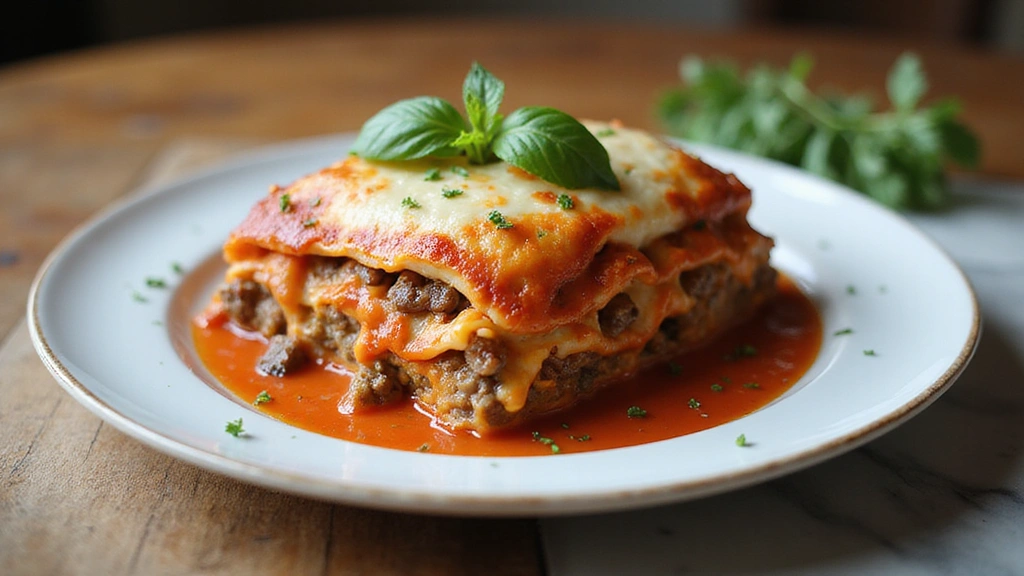
Cheesy Sausage Lasagna is the epitome of comfort food, bringing a delightful combination of savory flavors and creamy textures.
The rich blend of melted cheeses and succulent sausage creates a mouthwatering experience that satisfies with every bite.
This recipe holds a special place in my heart, reminiscent of family gatherings and cozy dinners on chilly nights.
The layers of pasta, sauce, and cheese meld together to form a dish that’s both filling and flavorful.
Whether you’re cooking for a special occasion or simply for the joy of it, this lasagna promises to impress.
Prepare to indulge in a dish that truly melts in your mouth.
The History and Cultural Significance
• Cheesy Sausage Lasagna traces its origins to Italy, where it was originally created as an evolution of traditional lasagna recipes.
• The dish evolved over decades as immigrants brought it to America, incorporating local ingredients like sausage and mozzarella cheese.
• In Italian-American culture, this dish traditionally appears at family gatherings and celebrations, symbolizing warmth and togetherness.
• While many variations exist across different regions, the authentic version maintains a hearty, cheesy richness that sets it apart from imitations.
Recipe Overview
Nutritional Information (per serving)
Essential Equipment Guide
Oven-Safe Baking Dish: Use a ceramic or glass baking dish to ensure even cooking and prevent sticking. Alternatives such as metal pans may work but could affect the cooking time and texture. Look for a dish with high sides to accommodate layers.
Large Skillet: Essential for browning sausage and onions, a heavy-bottomed skillet distributes heat evenly and prevents sticking. Non-stick variants are suitable but may not brown as effectively.
Mixing Bowls: Large mixing bowls are crucial for combining ingredients efficiently. Opt for bowls with non-slip bases to make mixing easier and safer.
Ingredients
For the Base
|
|
| Amount | Ingredient | Notes |
|---|---|---|
| 9 sheets | lasagna noodles | cooked al dente |
For the Sauce
| Amount | Ingredient | Notes |
|---|---|---|
| 1 pound | Italian sausage | crumbled |
| 2 cups | marinara sauce | homemade or store-bought |
For the Cheese Layer
| Amount | Ingredient | Notes |
|---|---|---|
| 2 cups | ricotta cheese | creamy texture |
| 2 cups | shredded mozzarella | melts beautifully |
| 1 cup | grated Parmesan | adds sharpness |
Vegetables
| Amount | Ingredient | Notes |
|---|---|---|
| 1 medium | onion | finely chopped |
| 2 cloves | garlic | minced |
Seasonings
| Amount | Ingredient | Notes |
|---|---|---|
| 1 teaspoon | dried oregano | earthy flavor |
| 1 teaspoon | dried basil | adds aroma |
| 1 pinch | salt | enhances all flavors |
| 1 pinch | black pepper | adds heat |
Preparation Methods
Sautéing: This technique involves cooking ingredients quickly in a small amount of oil, enhancing flavors and textures. For this lasagna, sautéing the sausage and onions together deepens their flavors. Maintain medium-high heat and stir frequently to prevent burning.
Layering: Proper layering ensures even cooking and a balanced flavor profile. Alternate layers of noodles, sauce, and cheese. Start with a base of sauce to prevent sticking and finish with a cheese layer for a golden crust.
Simmering: Allow the sauce to simmer to meld flavors and thicken. This process concentrates flavors and improves texture. Keep the heat low and stir occasionally to avoid any burning.
Step 1: Prepare Ingredients
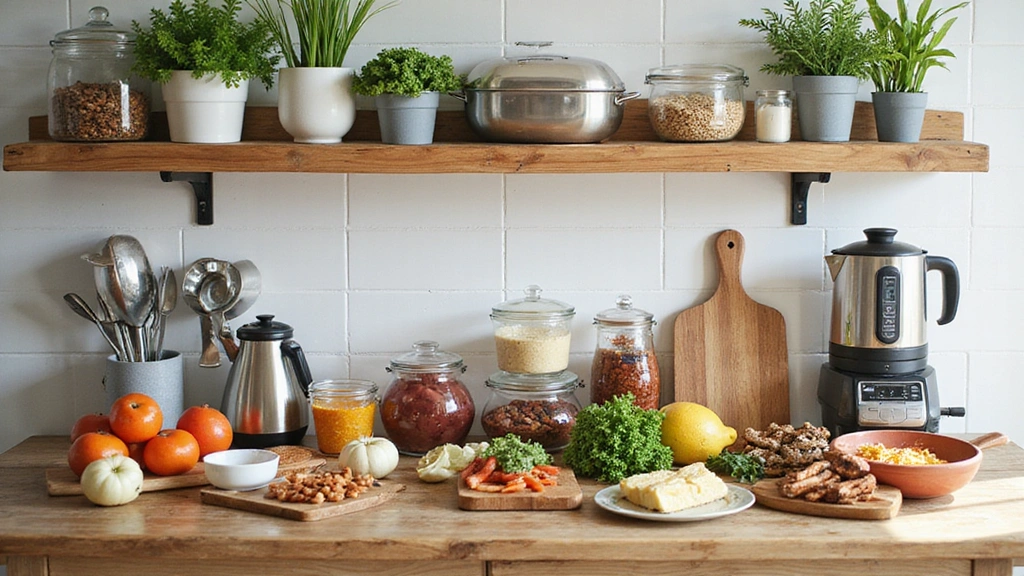
Gather all ingredients and equipment.
Chop the onion and mince the garlic.
Crush the sausage into small pieces.
Preheat the oven to 375°F (190°C).
Step 2: Cook Lasagna Noodles
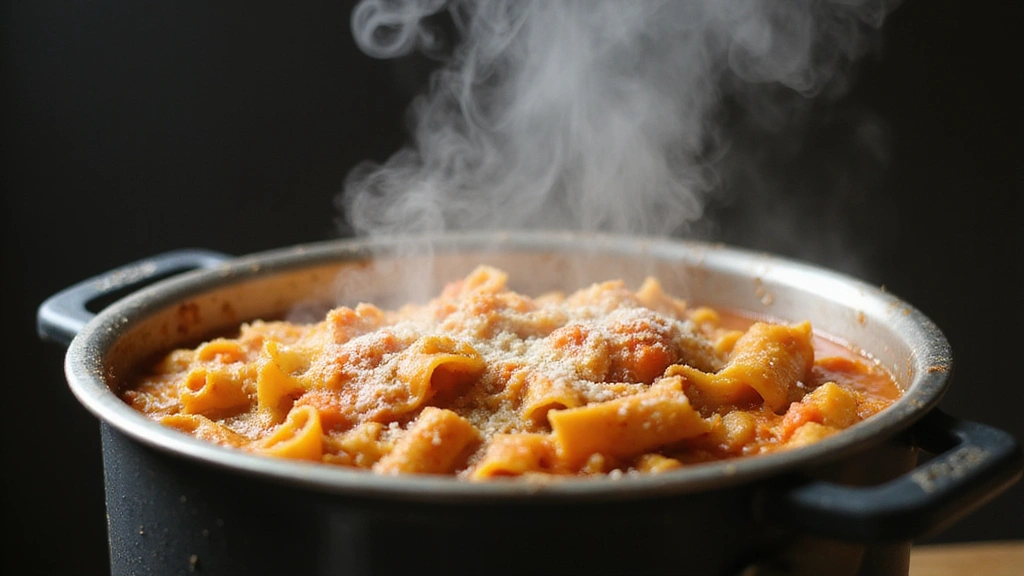
Bring a large pot of salted water to a boil.
Add lasagna noodles and cook until al dente.
Drain and set aside on a clean towel to prevent sticking.
Rinse lightly with cold water if needed.
Step 3: Sauté Sausage and Onions
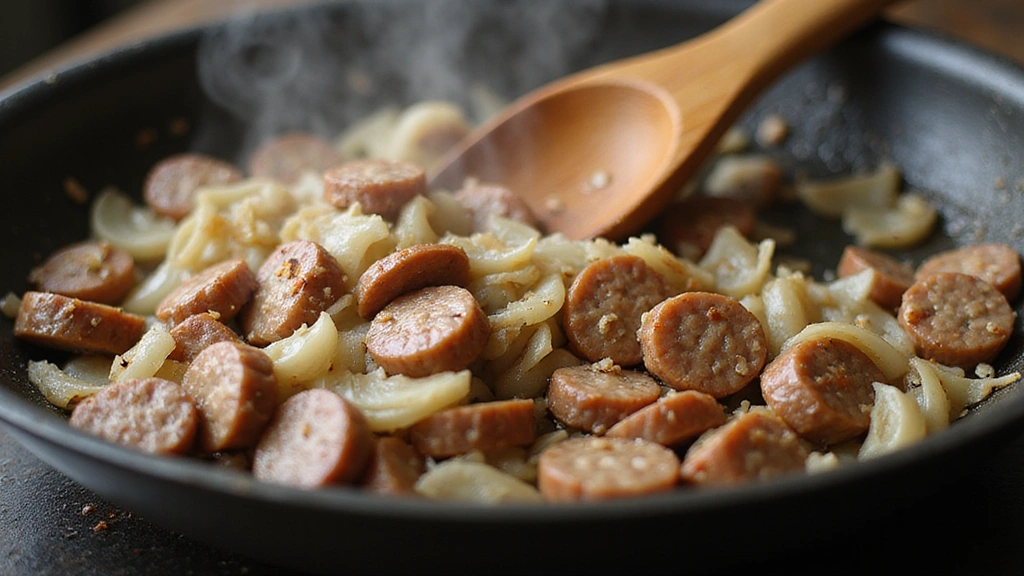
Heat a large skillet over medium heat and add crumbled sausage.
Cook until browned, stirring occasionally to break apart clumps.
Add chopped onions and garlic, continuing to sauté until onions are translucent.
Drain excess fat if necessary.
Step 4: Prepare the Sauce
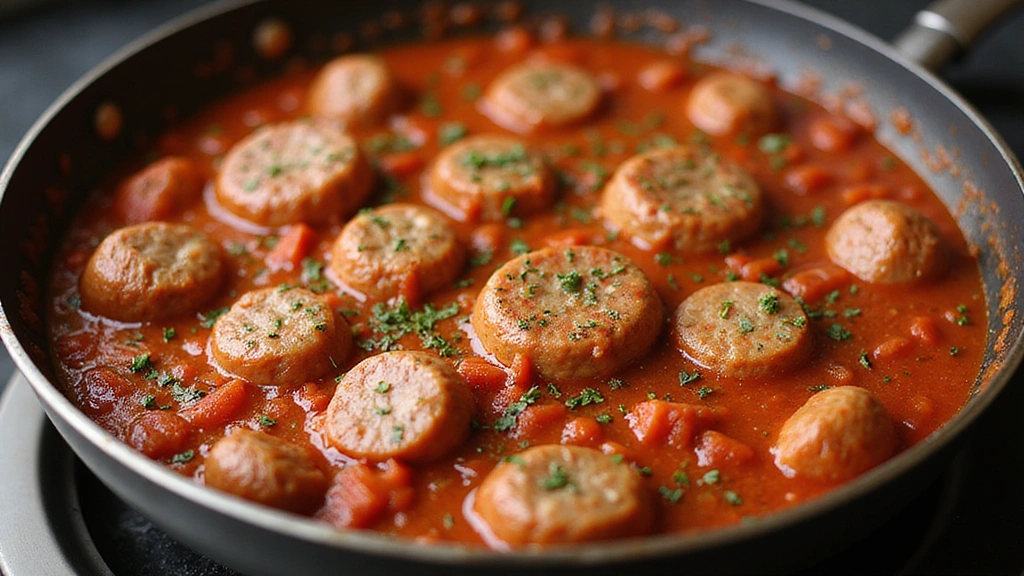
Add marinara sauce to the sausage mixture.
Stir in oregano, basil, salt, and pepper.
Reduce heat and let simmer for 10 minutes.
Taste and adjust seasonings if necessary.
Step 5: Mix Cheese Layer
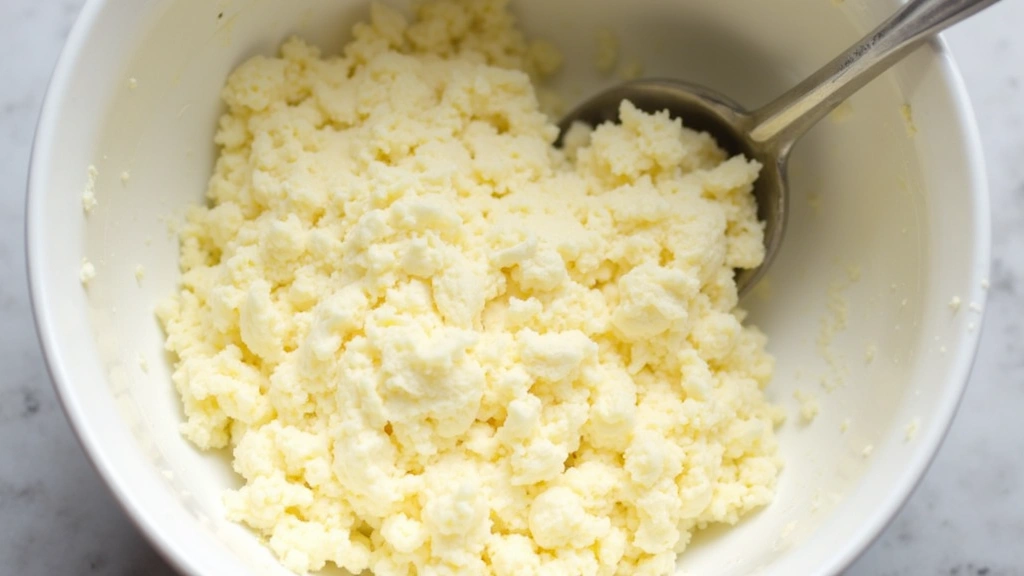
In a large mixing bowl, combine ricotta, mozzarella, and Parmesan cheeses.
Stir until evenly mixed and smooth.
Set aside for layering.
Ensure all cheeses are at room temperature for easier mixing.
Step 6: Assemble the Lasagna
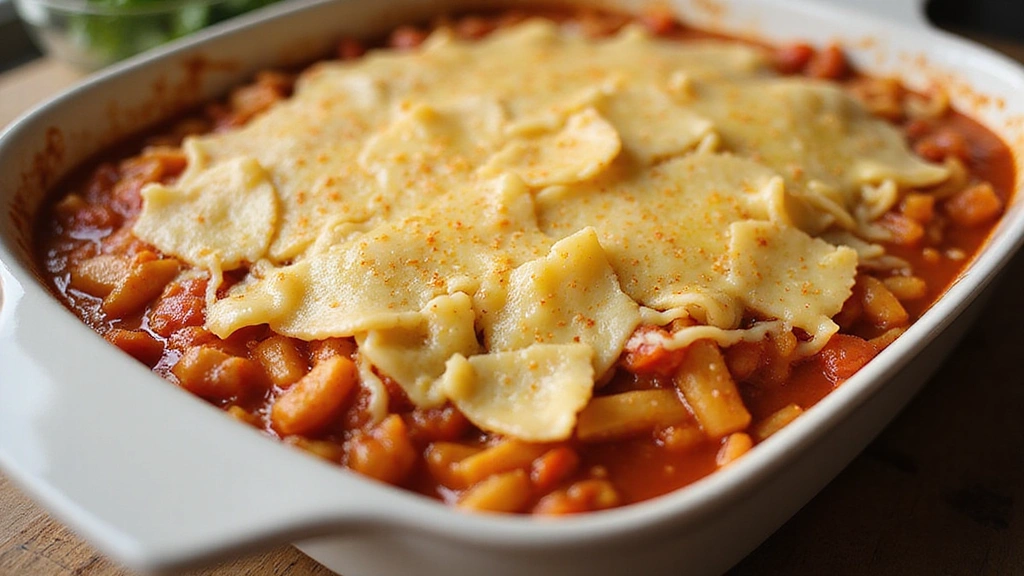
Spread a thin layer of sauce at the bottom of a baking dish.
Place a layer of noodles over the sauce.
Add a layer of cheese mixture, then more sauce.
Repeat layers, ending with cheese on top.
Step 7: Bake the Lasagna
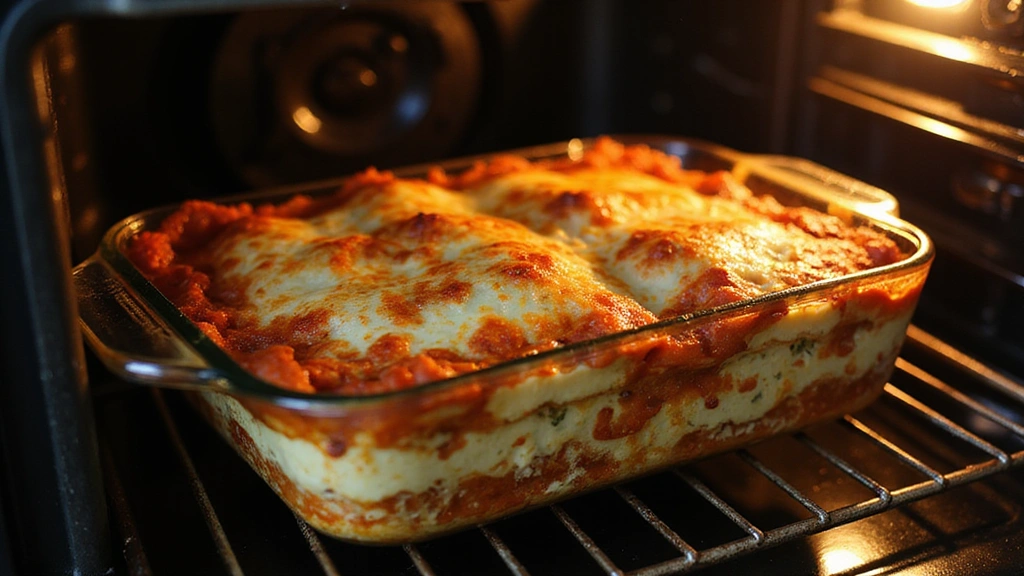
Cover the baking dish with aluminum foil.
Place in preheated oven and bake for 40 minutes.
Remove foil and bake an additional 20 minutes.
Look for a bubbly surface with golden cheese.
Step 8: Let the Lasagna Rest
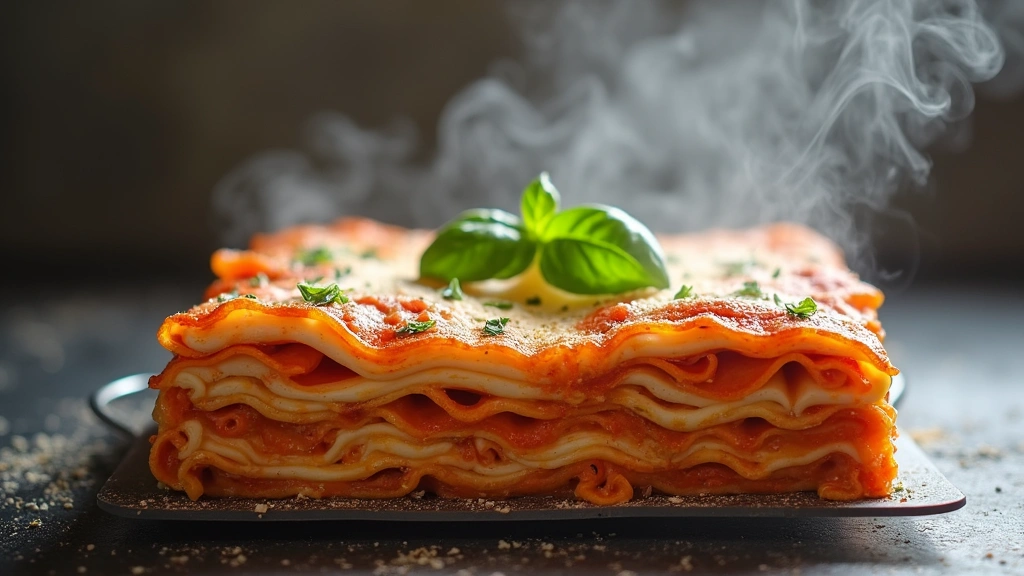
Remove the lasagna from the oven carefully.
Allow it to rest for at least 15 minutes before slicing.
This helps the layers to set and makes serving easier.
Garnish with fresh basil if desired.
Critical Timing and Temperature Guide
Sautéing: Sauté sausage and onions for about 8-10 minutes over medium heat. Look for browned sausage and translucent onions. Avoid high heat to prevent burning.
Baking: Bake lasagna at 375°F (190°C) for a total of 60 minutes. Ensure cheese is bubbly and golden before removing foil. Overbaking can dry out the pasta.
Resting: Allow lasagna to rest for at least 15 minutes after baking. This helps firm up the layers for cleaner slices. Cutting too soon may result in a runny texture.
Pro Tips for Cheesy Sausage Lasagna
• Ingredient Selection: Use high-quality Italian sausage for the best flavor. Opt for fresh mozzarella over pre-shredded for better melting.
• Preparation Secret: Let the ricotta cheese sit at room temperature before mixing to ensure smooth blending.
• Temperature Management: Maintain a consistent oven temperature of 375°F (190°C) for even cooking throughout.
• Texture Enhancement: Sprinkle Parmesan cheese on top in the last 10 minutes to create a crispy crust.
• Flavor Layering: Enhance flavor by adding a hint of nutmeg to the ricotta cheese for warmth and depth.
• Make-Ahead Strategies: Assemble the lasagna a day in advance and store it covered in the fridge. Bake as directed when ready to serve.
• Restaurant-Quality Finishing Touches: Finish with a drizzle of high-quality olive oil and a sprinkle of fresh herbs before serving.
• Equipment Optimization: Use a sharp knife to achieve clean slices without disrupting the layers.
Troubleshooting Common Issues
• Too Watery: This may occur if the sauce is too thin. Ensure the sauce is thickened before layering and drain excess liquid from the sausage.
• Burnt Top Layer: Cover with foil for the majority of baking time to prevent burning. Remove foil in the last 20 minutes.
• Uneven Cooking: Use a consistent layer of noodles and sauce to ensure even heat distribution. Rotate the dish halfway through baking.
• Cheese Not Melting: Ensure all cheeses are at room temperature before mixing. Fresh mozzarella melts better than pre-shredded.
• Overcooked Noodles: Cook noodles just until al dente as they will continue cooking in the oven.
Variations and Regional Differences
• Traditional Italian Lasagna: Uses béchamel sauce instead of ricotta and often includes spinach or other vegetables.
• Mexican Lasagna: Incorporates ingredients like corn tortillas, black beans, and spicy chorizo for a Tex-Mex twist.
• Vegetarian Lasagna: Replaces sausage with layers of grilled vegetables such as zucchini and eggplant.
• Seafood Lasagna: Combines shrimp and crab meat with a creamy Alfredo sauce for a luxurious variation.
Food Science Behind the Recipe
• Maillard Reaction: Occurs when browning the sausage, enhancing flavor through caramelization and complex taste development.
• Emulsification: The blending of cheeses creates a smooth, even texture, preventing separation during baking.
• Gelatinization: The cooking of pasta noodles causes starches to absorb water, achieving the desired al dente texture.
Frequently Asked Questions
What's the most common mistake people make when preparing Cheesy Sausage Lasagna? Overcooking the noodles, leading to a mushy texture. Cook only until al dente.
Can I freeze the lasagna? Yes, assemble and freeze before baking. Bake from frozen, adding extra time as needed.
What can I substitute for Italian sausage? Ground beef or turkey with added spices can mimic the flavor profile.
How do I prevent the lasagna from falling apart when serving? Allow it to rest and use a sharp knife for clean cuts.
Can I use low-fat cheeses? Yes, but the texture and flavor might differ slightly. It's a good option for a lighter version.
How can I make this dish gluten-free? Use gluten-free lasagna noodles and ensure all sauces are gluten-free.
What's the best way to reheat leftovers? Cover with foil and bake at 350°F (175°C) until heated through, or microwave individual portions.
Serving and Presentation Guide
• Traditional Presentation: Serve directly from the baking dish, allowing guests to experience the bubbling cheese and rich aroma.
• Individual Portions: Slice and plate each piece with a sprinkle of fresh herbs for a refined touch.
• Family Style: Place the lasagna at the center of the table, accompanied by a fresh green salad and crusty bread.
• Garnished Elegance: Add a drizzle of balsamic reduction and fresh basil for an elegant finish.
Conclusion
This Cheesy Sausage Lasagna is a testament to the power of simple ingredients coming together in harmony.
The recipe offers versatility and richness, suitable for any occasion.
I hope this dish brings warmth and joy to your table.
Give it a try and savor the delightful flavors that it has to offer.