


Mexican Lasagna with tortillas is a flavorful twist on a classic dish, combining the best of Mexican and Italian cuisines.
The spicy layers of chorizo, beans, and cheese create a hearty meal that’s perfect for any occasion.
I first encountered this dish at a family gathering, where its robust flavors and comforting texture instantly won me over.
Each bite offers a delightful balance of spice and creaminess that keeps you coming back for more.
Whether you’re hosting a party or looking for a satisfying weeknight meal, this dish delivers rich flavors with ease.
The History and Cultural Significance
• Mexican Lasagna traces its origins to the Tex-Mex region in the late 20th century, where it was originally created by Mexican-American cooks blending traditional recipes.
• The dish evolved over decades as tortillas replaced pasta and ingredients like chorizo and beans were incorporated, eventually becoming the beloved version we know today.
• In Mexican-American culture, this dish traditionally appears at family gatherings and potlucks, symbolizing the fusion of two rich culinary traditions.
• While many variations exist across different regions, the authentic version maintains its spicy and cheesy layers that set it apart from imitations.
Recipe Overview
Nutritional Information (per serving)
Essential Equipment Guide
Baking Dish: A quality baking dish is essential for even cooking and achieving the perfect crispy cheese layer on top. Glass or ceramic are preferred for their heat distribution, but a metal baking dish can work in a pinch.
Chef’s Knife: A sharp chef’s knife is crucial for chopping vegetables and slicing the lasagna neatly. Look for a knife with a comfortable grip and a balanced weight.
Skillet: A large skillet is necessary for browning the chorizo and sautéing vegetables. Cast iron or stainless steel are ideal for their heat retention and even cooking.
Ingredients
For the Base
|
|
| Amount | Ingredient | Notes |
|---|---|---|
| 8 large | corn tortillas | provides structure and flavor |
| 2 cups | shredded cheese | adds creaminess and richness |
For the Sauce
| Amount | Ingredient | Notes |
|---|---|---|
| 1 pound | chorizo | spicy, adds depth of flavor |
| 2 cups | tomato sauce | binds ingredients together |
Vegetables
| Amount | Ingredient | Notes |
|---|---|---|
| 1 large | onion | finely chopped, adds sweetness |
| 2 medium | bell peppers | diced, adds color and crunch |
Seasonings
| Amount | Ingredient | Notes |
|---|---|---|
| 2 teaspoons | cumin | adds earthiness |
| 1 teaspoon | chili powder | adds heat |
Preparation Methods
Sautéing: Sautéing is crucial for developing flavors in the chorizo and vegetables. Use medium-high heat and stir frequently to avoid burning, allowing the ingredients to caramelize and intensify their flavors.
Layering: Proper layering ensures even distribution of flavors and textures. Start with a tortilla base, followed by sauce, cheese, and other ingredients. Repeat until the dish is full, pressing down gently to compact.
Baking: Baking is key to melding the flavors together and achieving a crispy top layer. Preheat the oven properly and bake until the cheese is golden and bubbly, checking occasionally to prevent overcooking.
Step 1: Prepare Ingredients
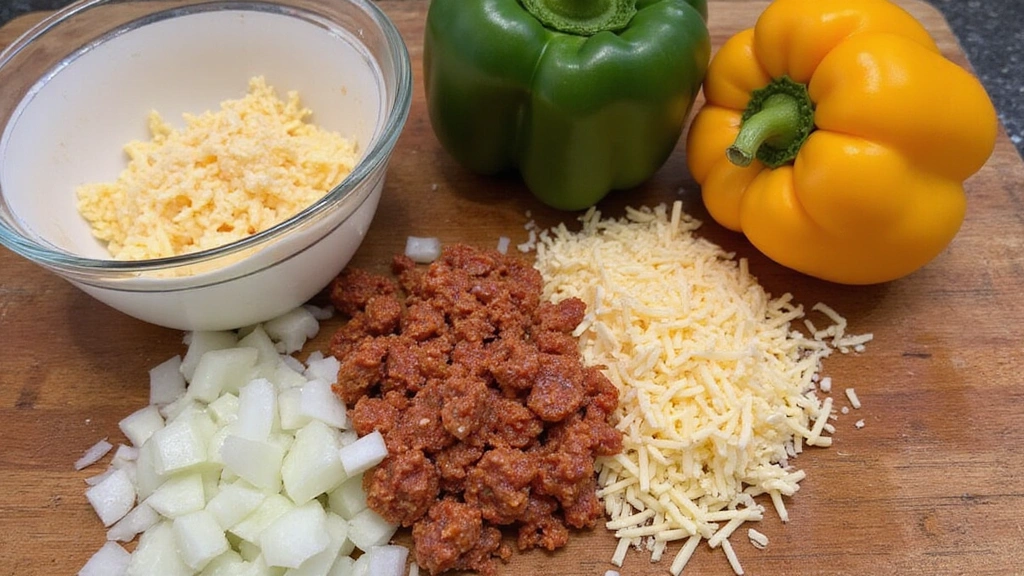
Gather all ingredients and equipment in one place for efficiency.
Chop onions and bell peppers into uniform pieces for even cooking.
Shred cheese and set aside in a bowl for easy access.
Ensure chorizo is crumbled and ready to cook.
Step 2: Cook Chorizo
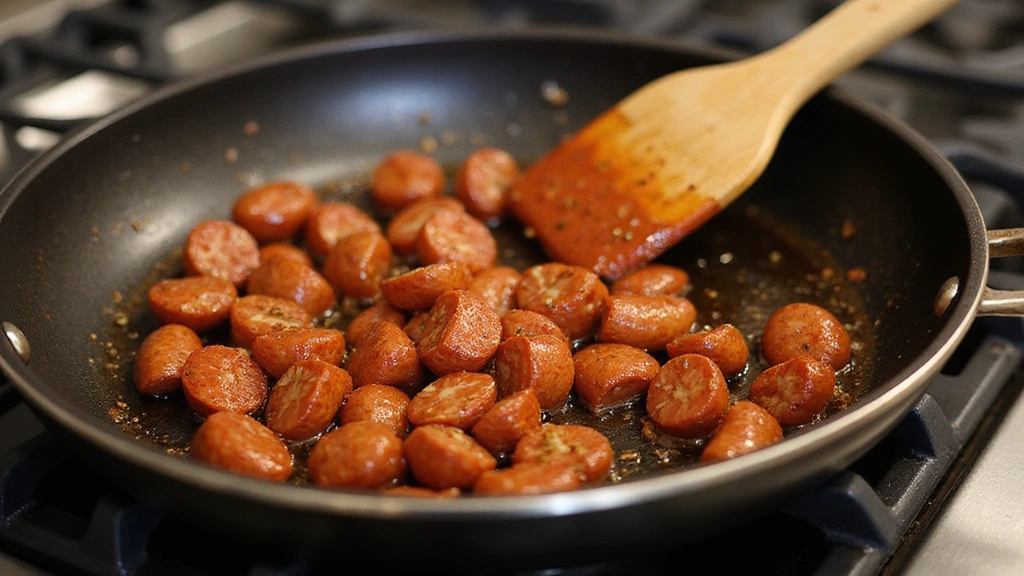
Heat a skillet over medium-high heat until hot.
Add the chorizo and cook, breaking it apart with a spatula.
Stir frequently to ensure even browning and prevent sticking.
Cook until fully browned and cooked through.
Step 3: Sauté Vegetables
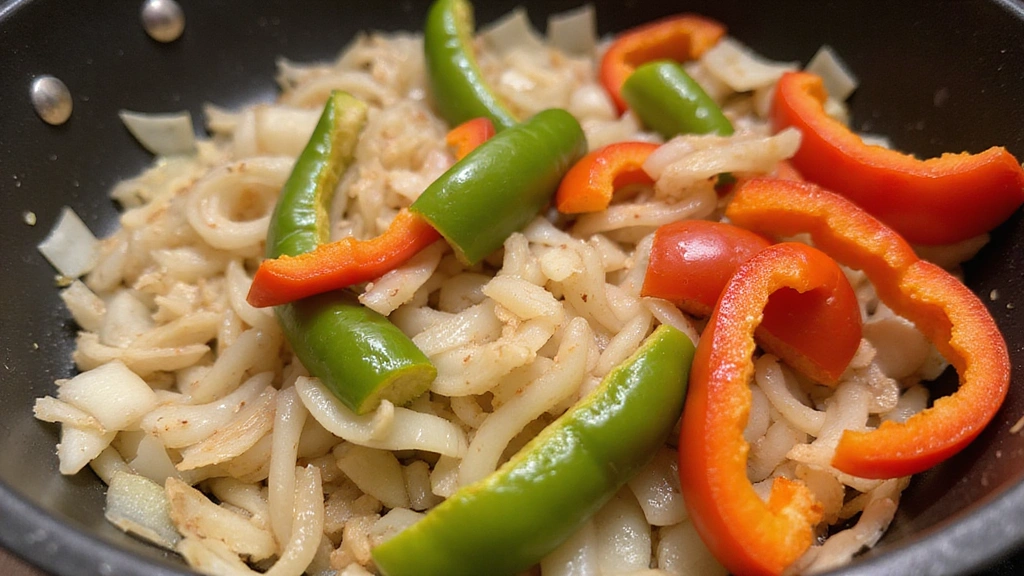
In the same skillet, add onions and bell peppers.
Sauté until onions are translucent and peppers are soft.
Stir occasionally to prevent burning, about 5 minutes.
Remove from heat and set aside.
Step 4: Assemble First Layer
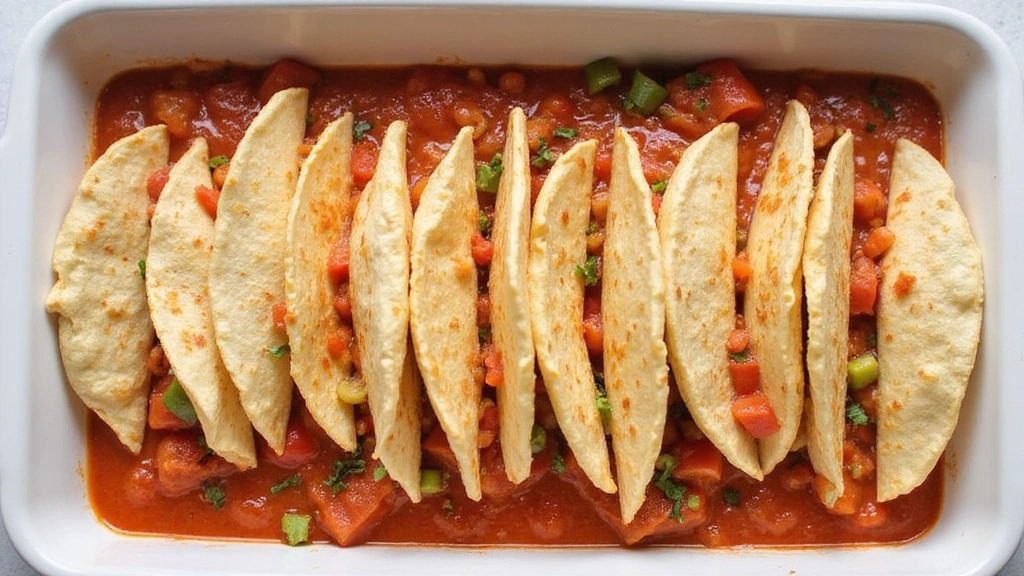
Preheat your oven to 375°F (190°C).
In a baking dish, lay down a layer of tortillas.
Spread a portion of tomato sauce evenly over the tortillas.
Sprinkle some sautéed vegetables and cooked chorizo on top.
Step 5: Add Cheese Layer
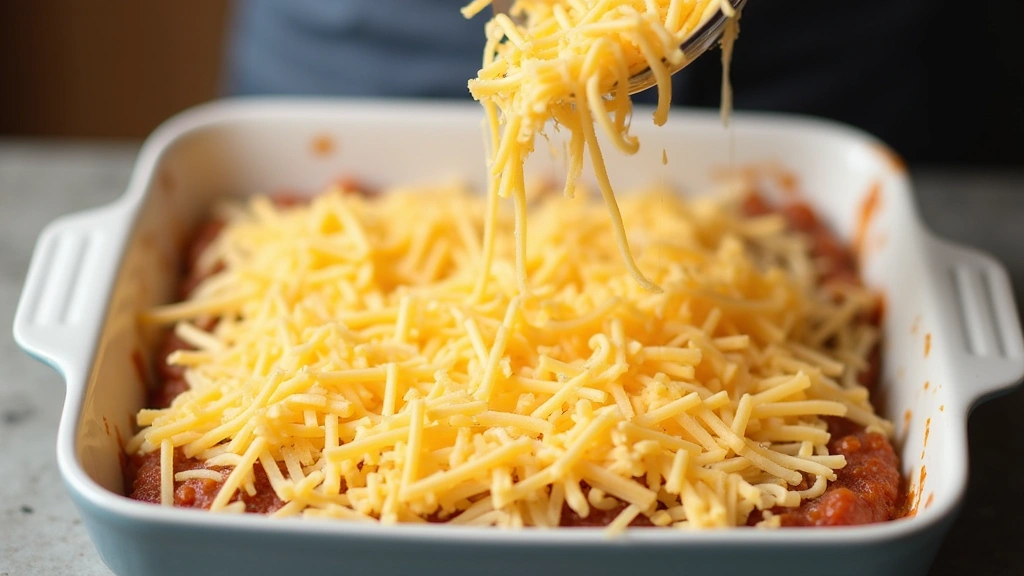
Sprinkle a generous layer of shredded cheese over the assembled ingredients.
Ensure the cheese is distributed evenly for consistent melting.
Press down gently to compact the layers a bit.
This will help the lasagna hold its shape when sliced.
Step 6: Repeat Layers
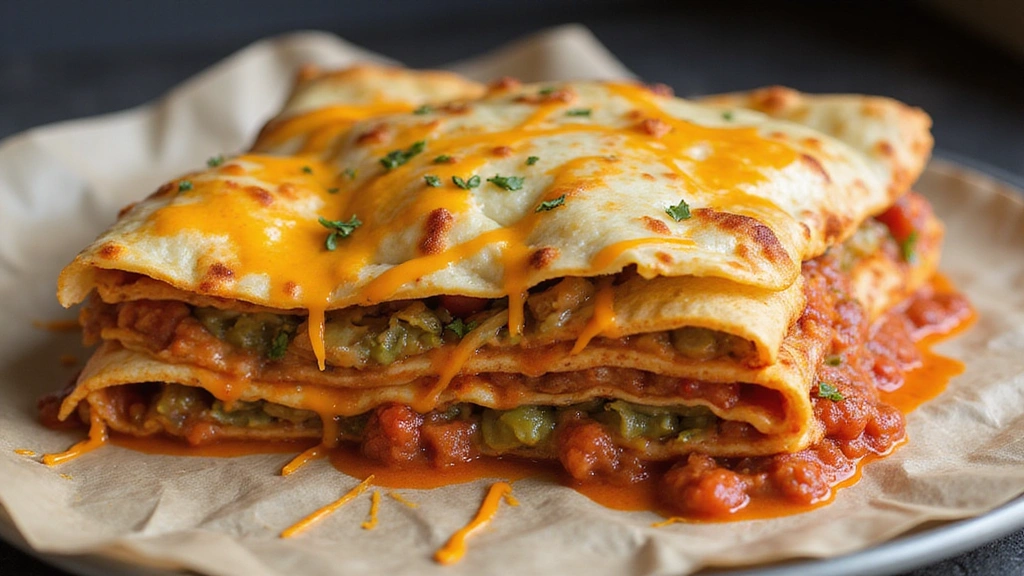
Continue layering with tortillas, sauce, vegetables, chorizo, and cheese.
Repeat the process until all ingredients are used, ending with a cheese layer.
Make sure each layer is packed snugly.
This layering technique helps meld the flavors.
Step 7: Bake the Lasagna
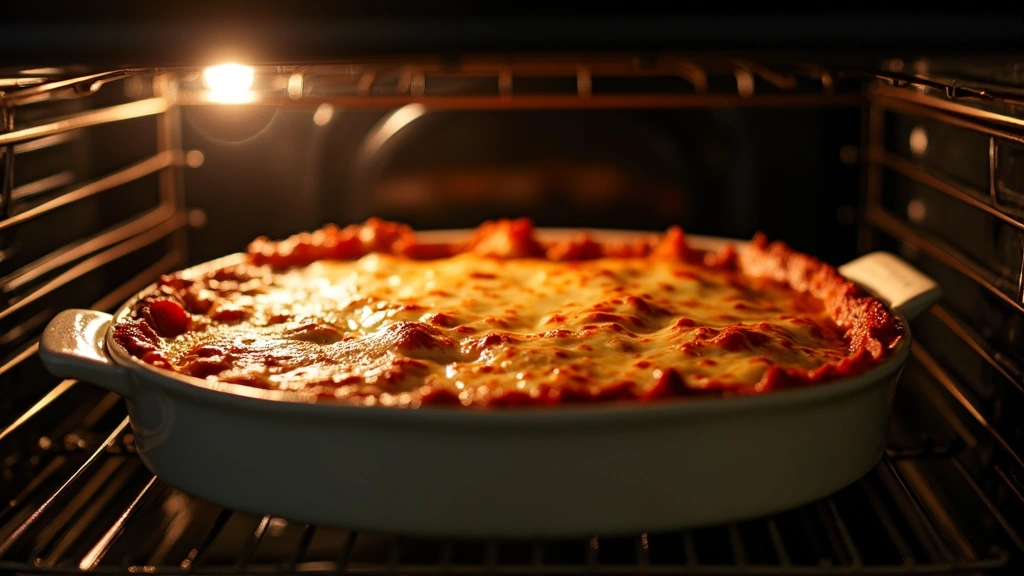
Place the assembled lasagna in the preheated oven.
Bake for 30-35 minutes until cheese is golden and bubbly.
Check halfway through to rotate the dish for even cooking.
Remove from oven once the top is nicely browned.
Step 8: Rest and Serve
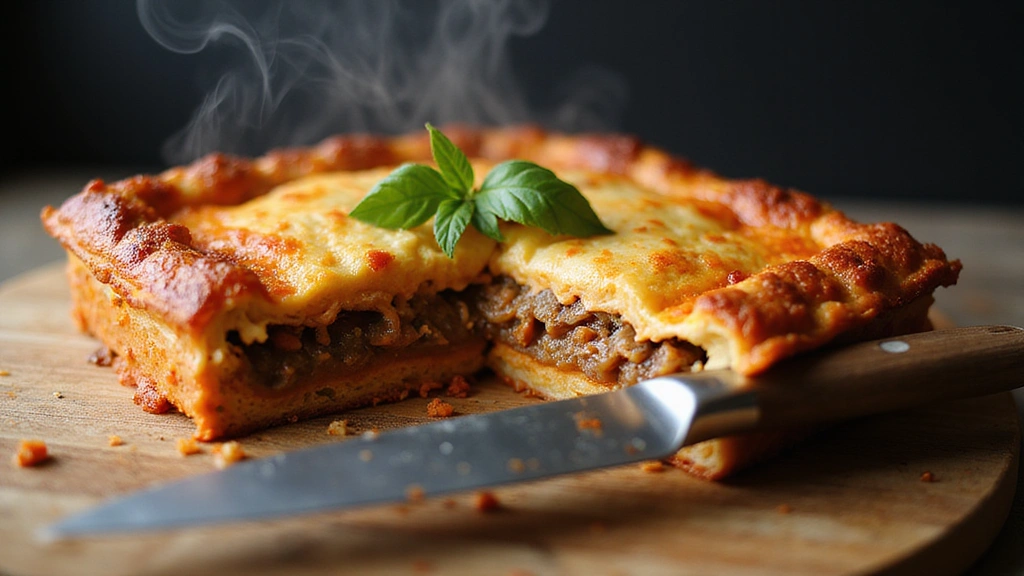
Remove the lasagna from the oven and let it rest for 10 minutes.
This resting period allows the layers to set for easier slicing.
Slice the lasagna into portions using a sharp knife.
Serve hot, garnished with fresh cilantro if desired.
Critical Timing and Temperature Guide
Sautéing Vegetables: Cook over medium-high heat for about 5 minutes until soft and translucent. If overcooked, vegetables may become mushy and lose flavor.
Baking Lasagna: Bake at 375°F (190°C) for 30-35 minutes. Look for bubbly, golden-brown cheese as a doneness indicator. Avoid overbaking to prevent dry tortillas.
Resting Period: Let the lasagna rest for 10 minutes after baking. This helps the layers set. Skipping this step can result in a messy presentation when slicing.
Pro Tips for Mexican Lasagna Recipe
• Ingredient Selection: Choose high-quality chorizo for the best flavor. It’s the backbone of the dish and will greatly impact the overall taste.
• Preparation Secret: Lightly toast tortillas before layering to prevent them from becoming soggy during baking.
• Temperature Management: Ensure all ingredients are at room temperature before assembling to promote even cooking.
• Texture Enhancement: Use a mix of cheese varieties for a creamier texture. Cheddar and Monterey Jack work well together.
• Flavor Layering: Add a dash of lime juice to the sauce for an extra zing that brightens the flavors.
• Make-Ahead Strategies: Prepare the chorizo and vegetable mixture a day ahead and store in the refrigerator to save time on cooking day.
• Restaurant-Quality Finishing Touches: Garnish with fresh cilantro and a dollop of sour cream just before serving.
• Equipment Optimization: If you lack a large skillet, divide the sautéing into batches to ensure even cooking.
Troubleshooting Common Issues
• Texture Too Dense: This often occurs from overpacking the layers. Ensure each layer is evenly distributed without pressing too hard.
• Flavors Unbalanced: If one flavor overpowers, adjust the seasoning in future attempts by tasting each component before layering.
• Soggy Tortillas: Prevent this by toasting tortillas lightly before assembly and not oversaturating with sauce.
• Cheese Not Browning: Use the broiler for the last few minutes of baking to achieve a golden top. Watch closely to prevent burning.
• Layers Sliding: Allow the lasagna to rest for at least 10 minutes before slicing. This helps the layers firm up and hold together.
Variations and Regional Differences
• Tex-Mex Style: This version often includes black beans and corn, adding more texture and sweetness to the dish.
• Vegetarian Variation: Substitute chorizo with mushrooms or zucchini for a vegetarian-friendly option that still packs a flavor punch.
• Traditional Mexican: In some regions, this dish may include mole sauce for a rich and chocolatey twist.
• Spanish Influence: Incorporates Spanish chorizo and manchego cheese, offering a smoky and nutty flavor profile.
Food Science Behind the Recipe
• Maillard Reaction: This chemical reaction between amino acids and reducing sugars gives the cheese its golden-brown color and complex flavor.
• Emulsification: The process of combining fat from cheese and moisture from the sauce creates a creamy texture in the lasagna.
• Hydration of Starches: Tortillas absorb moisture from the sauce, which helps them soften and integrate into the dish during baking.
Frequently Asked Questions
What's the most common mistake people make when preparing Mexican Lasagna? Overpacking the layers, which can lead to a dense and unevenly cooked dish.
Can I prepare the lasagna in advance? Yes, you can assemble the lasagna a day ahead and refrigerate it before baking to save time.
How can I make this dish spicier? Add sliced jalapeños or a pinch of cayenne pepper to the sauce for extra heat.
Can I freeze Mexican Lasagna? Absolutely, it's best to freeze before baking. Thaw in the fridge overnight and bake as instructed.
What can I substitute for chorizo if I can't find it? Ground beef or turkey with added spices can substitute chorizo, though it will alter the flavor.
Is it okay to use flour tortillas instead of corn? While possible, corn tortillas hold up better and offer an authentic taste.
How do I prevent the cheese from burning? Cover the dish with foil halfway through baking if needed, and monitor closely.
Serving and Presentation Guide
• Traditional Presentation: Serve in the baking dish with fresh cilantro sprinkled on top and lime wedges on the side.
• Family Style: Slice into squares and arrange on a platter, accompanied by bowls of salsa and guacamole.
• Elegant Touch: Plate individually with a sprinkle of chopped green onions and a touch of sour cream for a refined look.
• Casual Gathering: Offer self-serve with toppings like jalapeños, olives, and extra cheese in separate bowls.
Conclusion
Mexican Lasagna with tortillas is an exciting fusion dish that brings a taste of Mexico to your kitchen.
Its spicy, cheesy layers provide a satisfying meal that’s sure to please a crowd.
Give this recipe a try and enjoy the vibrant flavors and textures it offers.
Your family and friends will surely be impressed by your culinary creation.