


This classic Spinach Lasagna brings together centuries of culinary tradition with modern techniques to create a dish that’s both comforting and elegant.
The harmonious balance of creamy ricotta, savory tomato sauce, and tender spinach creates a memorable dining experience that will have everyone asking for your secret.
I discovered this recipe during my travels through Italy, where local chefs have perfected it through generations of careful refinement.
Whether you’re preparing a casual family dinner or hosting a special celebration, this Spinach Lasagna delivers impressive results with straightforward preparation.
The History and Cultural Significance
• Spinach Lasagna traces its origins to Italy during the Middle Ages, where it was originally created by combining fresh pasta, cheese, and local greens.
• The dish evolved over decades as variations of pasta and cheese were introduced, eventually becoming the beloved version we know today.
• In Italian culture, this dish traditionally appears at family gatherings and celebrations, symbolizing unity and abundance.
• While many variations exist across different regions, the authentic version maintains a balance of cheese, sauce, and spinach that sets it apart from imitations.
Recipe Overview
Nutritional Information (per serving)
Essential Equipment Guide
Baking Dish: A sturdy baking dish is essential for even cooking and achieving the perfect lasagna layers. Alternatives include glass or ceramic dishes. Look for a deep dish to accommodate multiple layers.
Cheese Grater: Freshly grated cheese melts more evenly and enhances flavor. A box grater works well, but a microplane can create finer shavings for a smoother top layer.
Pasta Pot: A large pot is necessary to cook lasagna noodles without sticking. Look for a pot with a non-stick interior or use ample water with a bit of oil.
Ingredients
For the Base
|
|
| Amount | Ingredient | Notes |
|---|---|---|
| 9 sheets | lasagna noodles | cooked al dente |
| 3 cups | ricotta cheese | creamy texture |
For the Sauce
| Amount | Ingredient | Notes |
|---|---|---|
| 2 tablespoons | olive oil | adds richness |
| 1 large | onion | finely chopped |
| 3 cloves | garlic | minced, enhances flavor |
| 28 ounces | canned crushed tomatoes | base for sauce |
Vegetables
| Amount | Ingredient | Notes |
|---|---|---|
| 1 pound | fresh spinach | washed and chopped |
Seasonings
| Amount | Ingredient | Notes |
|---|---|---|
| 1 teaspoon | salt | enhances overall flavor |
| 1 teaspoon | black pepper | adds depth |
| 1 teaspoon | dried basil | adds aroma |
Cheese Topping
| Amount | Ingredient | Notes |
|---|---|---|
| 2 cups | mozzarella cheese | shredded |
| 0.5 cup | Parmesan cheese | grated, for final touch |
Preparation Methods
Sautéing: Sautéing involves cooking ingredients in a small amount of oil over medium heat. This technique is crucial for developing the flavors of the onion and garlic. Ensure the onions are translucent and the garlic is fragrant for the best results.
Layering: Proper layering is essential for even cooking and flavor distribution in lasagna. Start with sauce, followed by noodles, cheese, and spinach. Repeat for multiple layers, ensuring each is evenly spread.
Resting: Allowing the lasagna to rest after baking helps the layers set and makes slicing easier. Let it rest for at least 15 minutes before serving.
Step 1: Prepare Ingredients
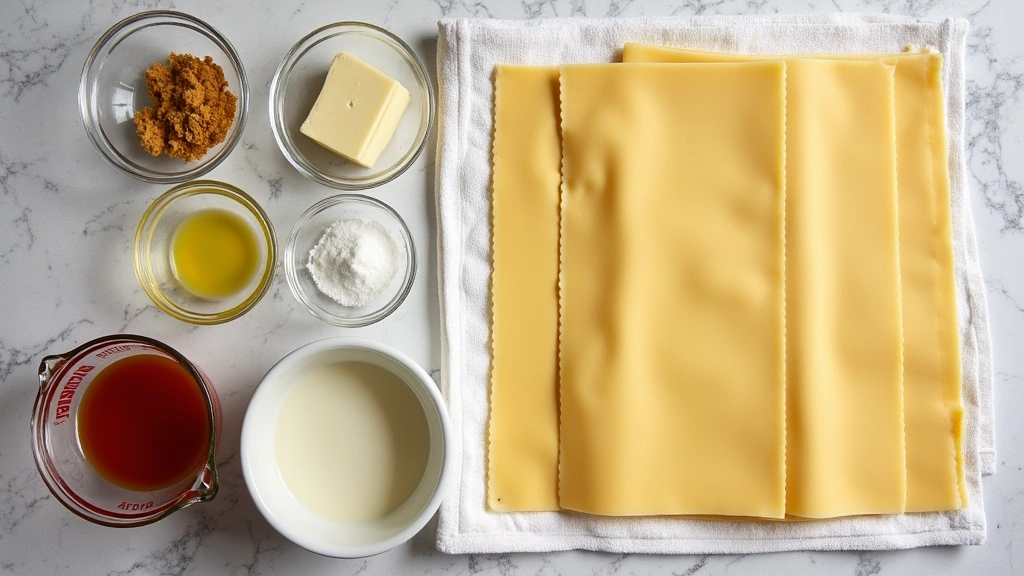
Gather all ingredients and measure them accurately.
Cook lasagna noodles according to package instructions until al dente.
Drain the noodles and lay them flat on a towel to prevent sticking.
Chop spinach and set aside.
Step 2: Make the Sauce
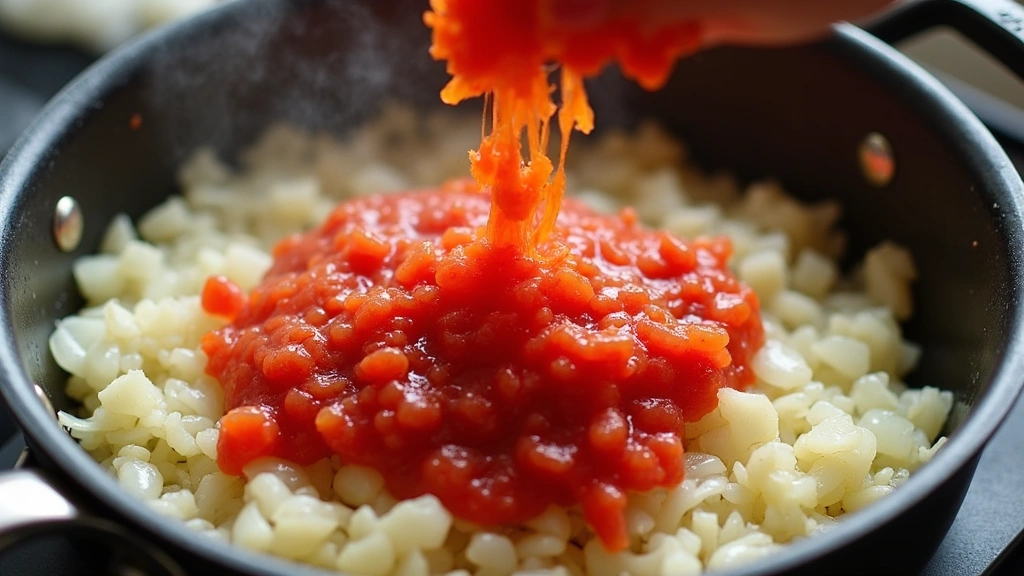
Heat olive oil in a pan over medium heat.
Add chopped onions and sauté until translucent.
Stir in minced garlic and cook until fragrant.
Add crushed tomatoes, salt, pepper, and dried basil, and simmer for 15 minutes.
Step 3: Sauté Spinach
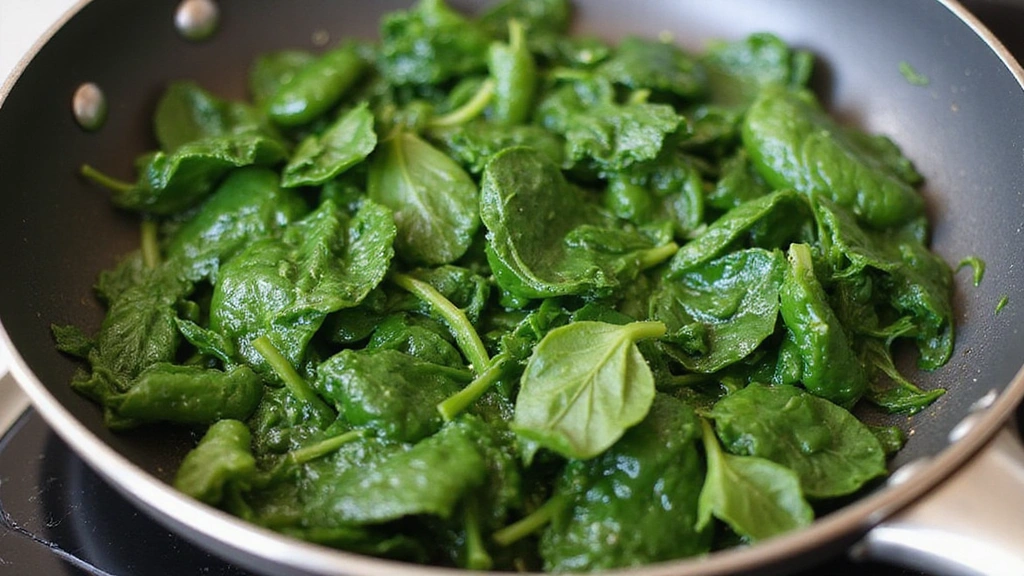
In a separate pan, heat a small amount of olive oil over medium heat.
Add chopped spinach and sauté until wilted.
Ensure all excess moisture is evaporated before removing from heat.
Set aside to cool slightly.
Step 4: Preheat the Oven
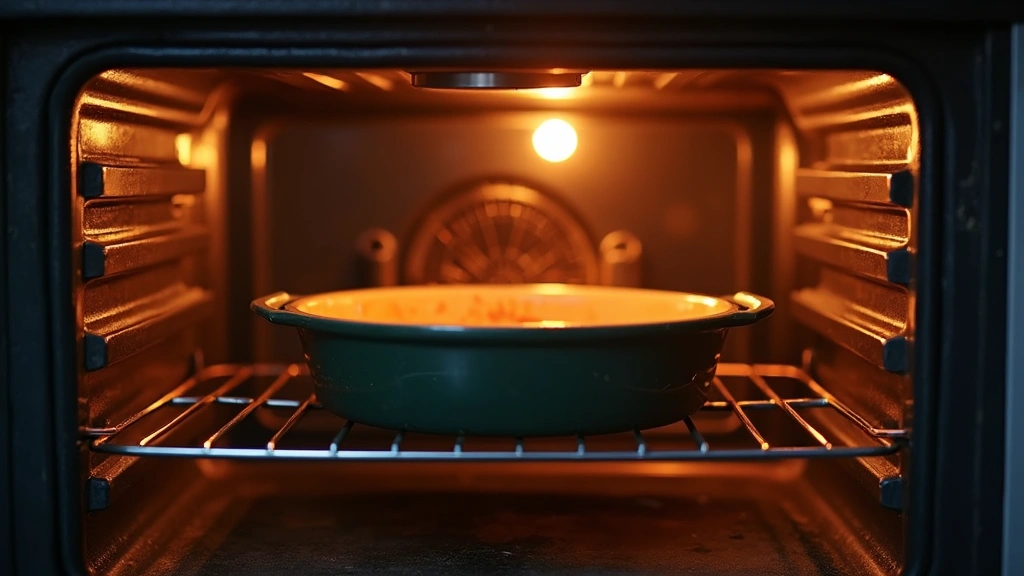
Preheat your oven to 375°F (190°C).
Ensure the oven rack is in the middle position for even baking.
Prepare a 9x13 inch baking dish by lightly greasing it with oil.
Set aside for assembling the lasagna.
Step 5: Layer the Lasagna
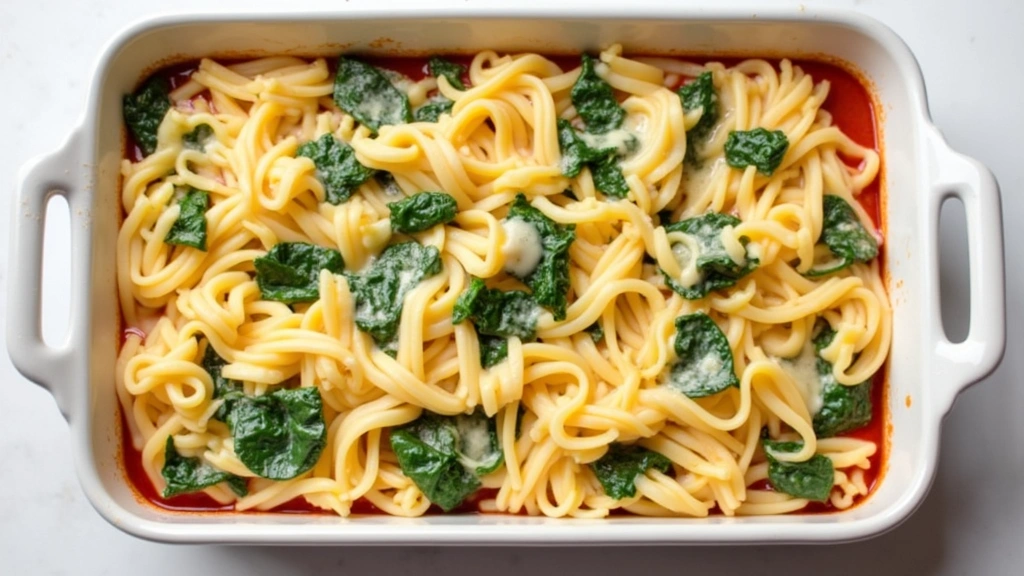
Spread a layer of sauce on the bottom of the prepared baking dish.
Place a layer of lasagna noodles over the sauce.
Add a layer of ricotta cheese and sautéed spinach evenly.
Repeat the layers, ending with sauce on top.
Step 6: Add Cheese Topping
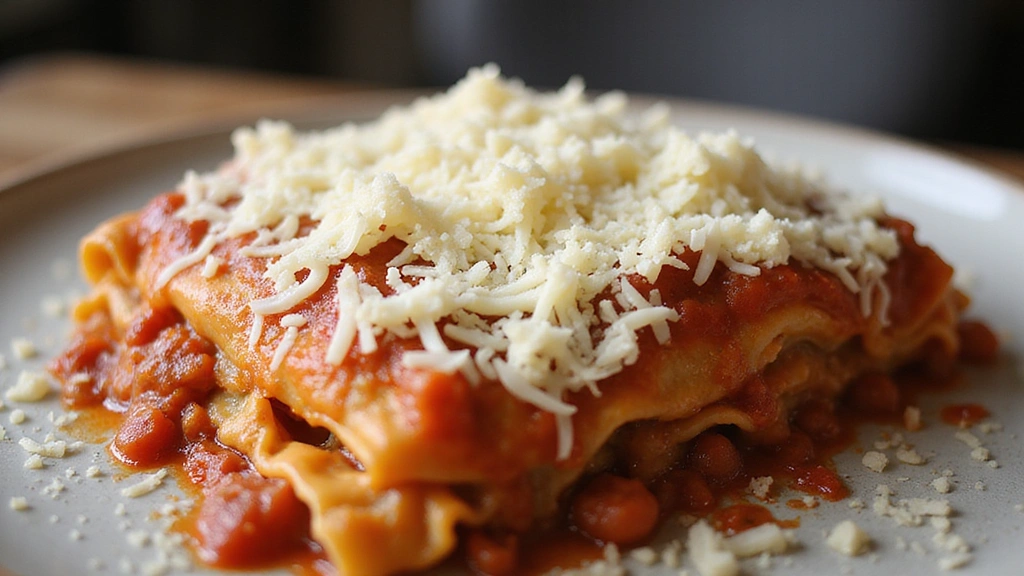
Sprinkle shredded mozzarella cheese evenly over the top layer of sauce.
Add grated Parmesan cheese for extra flavor.
Ensure the cheese covers the entire surface for even melting.
Set the dish aside while the oven finishes preheating.
Step 7: Bake the Lasagna
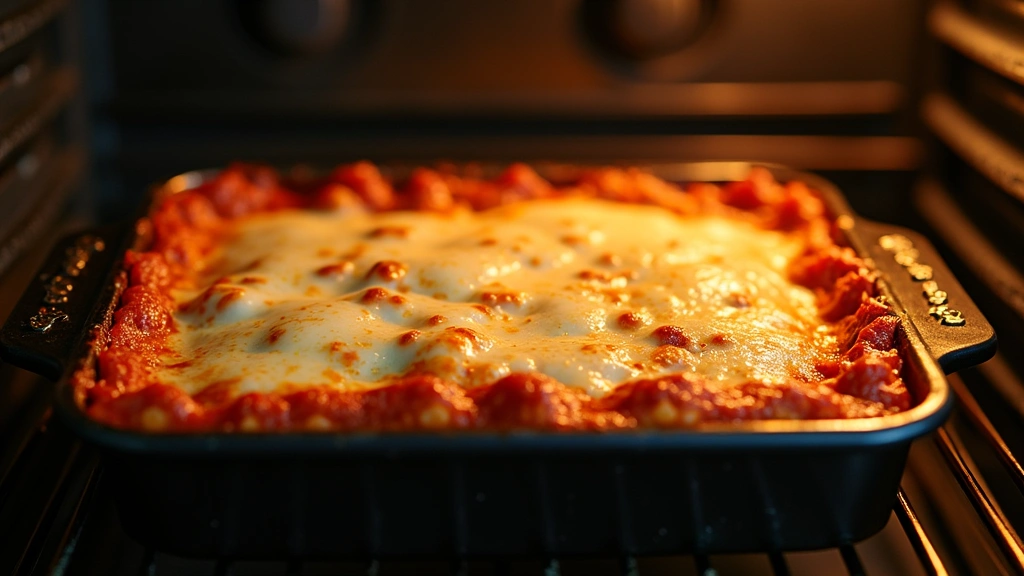
Place the prepared lasagna in the preheated oven.
Bake for 45 minutes, or until the cheese is bubbly and golden brown.
Check halfway through to ensure even cooking.
Cover with foil if the top is browning too quickly.
Step 8: Rest and Serve
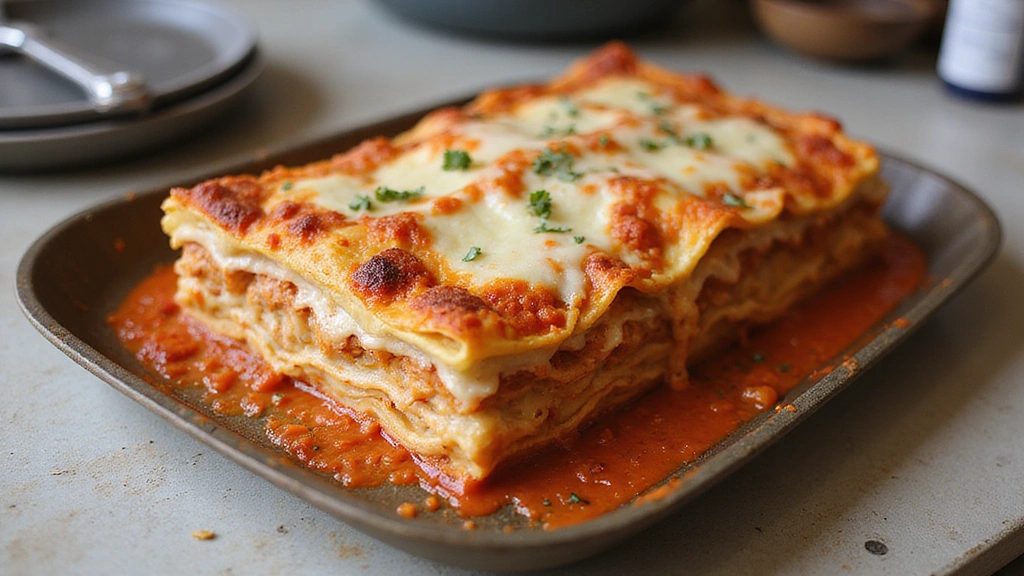
Remove the lasagna from the oven and allow it to rest for 15 minutes.
This resting period helps the layers set, making it easier to slice.
Use a sharp knife to cut portions and serve.
Garnish with fresh basil leaves if desired.
Critical Timing and Temperature Guide
Sautéing Onions and Garlic: Sauté onions for 5 minutes and garlic for 1 minute, ensuring onions are translucent and garlic is fragrant. Avoid browning the garlic as it can turn bitter.
Baking the Lasagna: Bake at 375°F (190°C) for 45 minutes until the cheese is bubbly and golden. Check the center to ensure it's heated through.
Resting Period: Allow the lasagna to rest for 15 minutes before serving. This prevents the layers from sliding and helps flavors meld together.
Pro Tips for Spinach Lasagna Recipe
• Ingredient Selection: Use fresh spinach and high-quality ricotta for the best flavor and texture. Fresh ingredients make a noticeable difference.
• Preparation Secret: Draining the spinach thoroughly after sautéing prevents a watery lasagna.
• Temperature Management: Start with room temperature ingredients for even cooking and better texture.
• Texture Enhancement: Use ricotta cheese with a bit of cream for a smoother, richer texture.
• Flavor Layering: Add a pinch of nutmeg to the ricotta cheese for a subtle depth of flavor.
• Make-Ahead Strategies: Assemble the lasagna a day in advance and refrigerate. Bake just before serving for convenience without sacrificing quality.
• Restaurant-Quality Finishing Touches: Garnish with fresh basil and a drizzle of olive oil before serving.
• Equipment Optimization: Use a mandoline to slice other optional vegetables thinly for even cooking if added.
Troubleshooting Common Issues
• Watery Lasagna: Caused by excess moisture in spinach or sauce. Ensure spinach is well-drained and the sauce is thickened.
• Burnt Cheese: Avoid by covering the lasagna with foil if it browns too quickly. Use an oven thermometer to ensure accurate temperatures.
• Uneven Cooking: Check the oven rack position and rotate the dish halfway through baking.
• Overcooked Noodles: Use al dente noodles to prevent them from becoming mushy during baking.
• Flavors Not Blending: Allow the lasagna to rest after baking for flavors to meld.
Variations and Regional Differences
• Emilian Style: Uses a white béchamel sauce instead of tomato sauce, offering a creamier profile.
• Neapolitan Style: Incorporates small meatballs and hard-boiled eggs, adding richness and substance.
• Florentine Style: Focuses on a higher spinach-to-cheese ratio, emphasizing fresh greens.
• Vegan Variation: Uses cashew-based ricotta and nutritional yeast for a plant-based version.
Food Science Behind the Recipe
• Maillard Reaction: The browning of cheese during baking enhances flavor through complex chemical reactions.
• Emulsification: The combination of cheese and sauce creates a creamy consistency, crucial for mouthfeel.
• Gelatinization: Starch in pasta absorbs moisture and thickens during baking, helping layers adhere.
Frequently Asked Questions
What's the most common mistake people make when preparing Spinach Lasagna? Overcooking the noodles or not draining the spinach properly can lead to a watery lasagna.
Can I use frozen spinach? Yes, but make sure to thaw and drain it thoroughly to remove excess moisture.
How do I store leftovers? Cool the lasagna completely, then cover and refrigerate for up to 3 days. Reheat in the oven for best results.
Can I freeze Spinach Lasagna? Yes, assemble and freeze before baking. Thaw overnight in the fridge and bake as directed.
What can I substitute for ricotta cheese? Cottage cheese blended until smooth can be a good alternative.
How do I prevent the lasagna from sticking to the dish? Lightly grease the baking dish or use parchment paper for easy release.
Is it necessary to pre-cook the noodles? Yes, for traditional noodles, but you can use no-boil noodles if preferred, adjusting sauce quantity for moisture.
Serving and Presentation Guide
• Traditional Presentation: Serve lasagna slices on a large platter, garnished with fresh basil leaves.
• Individual Servings: Present in small, square portions on individual plates with a garnish of Parmesan and basil.
• Family Style: Place the baking dish directly on the table with a serving spatula for a communal dining experience.
• Rustic Style: Serve with a side of crusty bread and a simple green salad for a complete meal.
Conclusion
Spinach Lasagna is a timeless dish that combines rich flavors and satisfying textures.
With this recipe, you can create a delicious meal that will impress family and friends alike.
Give it a try and enjoy the rewarding experience of making a classic Italian favorite in your own kitchen.