

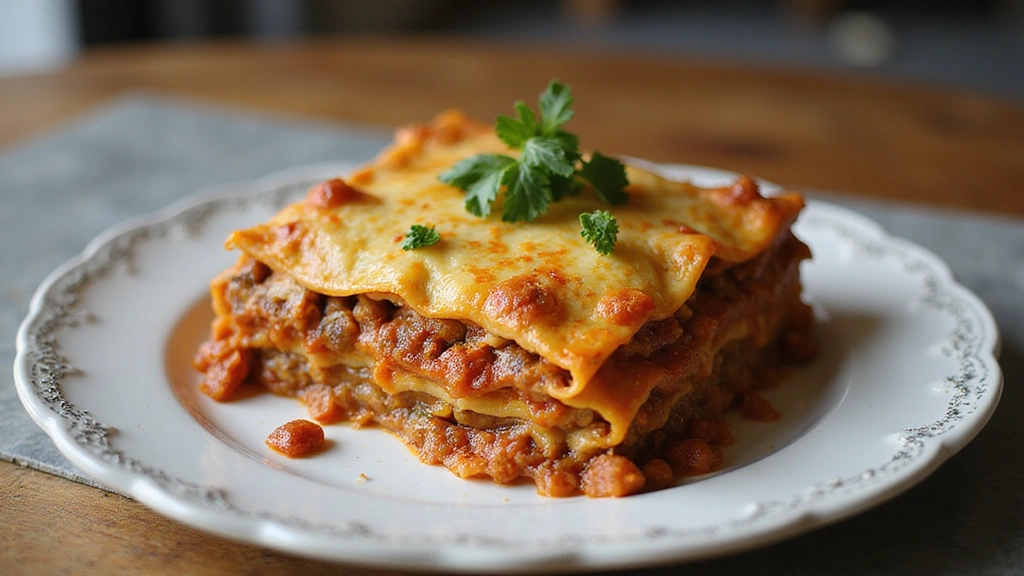
This classic Southern Lasagna brings together centuries of culinary tradition with modern techniques to create a dish that’s both comforting and soulful.
The harmonious balance of rich cheeses, hearty meats, and perfectly seasoned sauce creates a memorable dining experience that will have everyone asking for your secret.
I discovered this recipe during my travels through the Southern United States, where local chefs have perfected it through generations of careful refinement.
Whether you’re preparing a casual family dinner or hosting a special celebration, this Southern Lasagna delivers impressive results with straightforward preparation.
The History and Cultural Significance
• Southern Lasagna Recipe traces its origins to the Southern United States, where it was originally created by Italian immigrants adapting their traditional recipes with local ingredients.
• The dish evolved over decades as different meats, cheeses, and spices were introduced, eventually becoming the beloved version we know today.
• In Southern culture, this dish traditionally appears at family gatherings and Sunday dinners, symbolizing comfort and togetherness.
• While many variations exist across different regions, the authentic version maintains a soulful, cheesy richness that sets it apart from imitations.




Recipe Overview
Nutritional Information (per serving)
Essential Equipment Guide
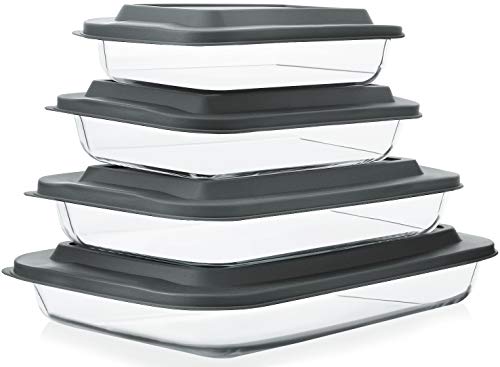
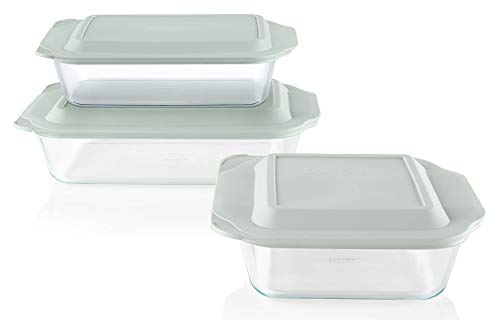
Large Baking Dish: This is crucial for accommodating the layers of lasagna and ensuring even cooking. A ceramic or glass dish works best for retaining heat and providing a nice presentation.
Large Skillet: Essential for browning meat and sautéing vegetables. A heavy-bottomed skillet ensures even heat distribution and prevents sticking.
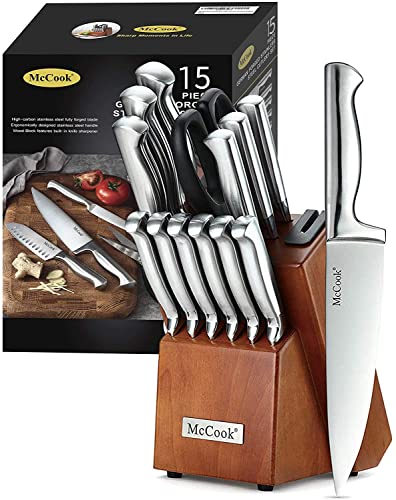
Sharp Chef’s Knife: Important for finely chopping vegetables and herbs, a good knife ensures precision and safety. A well-balanced knife with a sharp blade is key.




Ingredients
For the Base
|
|
| Amount | Ingredient | Notes |
|---|---|---|
| 9 sheets | lasagna noodles | cooked according to package instructions |
| 1 pound | ground beef | provides hearty flavor |
| 1 pound | ground pork | adds richness |
For the Sauce
| Amount | Ingredient | Notes |
|---|---|---|
| 2 cups | tomato sauce | base for the sauce |
| 1 cup | diced tomatoes | adds texture |
| 2 tablespoons | tomato paste | intensifies flavor |
Cheeses
| Amount | Ingredient | Notes |
|---|---|---|
| 1 cup | ricotta cheese | creamy layer |
| 2 cups | mozzarella cheese | gooey topping |
| 1 cup | Parmesan cheese | adds sharpness |
Seasonings
| Amount | Ingredient | Notes |
|---|---|---|
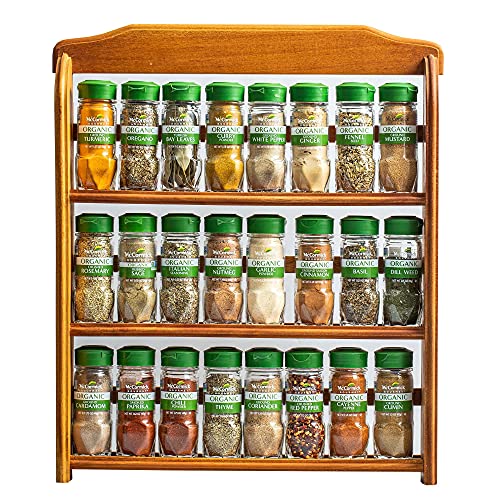
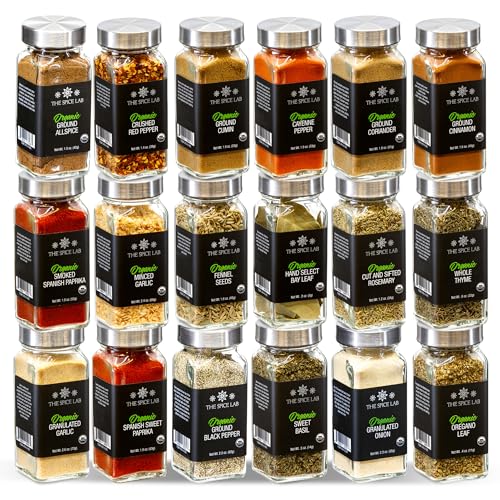
| 1 tablespoon | Italian seasoning | flavorful blend |
| 2 cloves | garlic | minced for depth |
| 1 teaspoon | salt | enhances flavor |
| 1 teaspoon | black pepper | adds heat |




Preparation Methods
Layering Technique: Proper layering is crucial for the perfect lasagna. Start with a base of sauce, followed by noodles, then meat and cheese. Repeat for even layers and balanced flavor.
Sautéing Aromatics: This involves cooking garlic and onions in olive oil to release their flavors. It enhances the depth of the sauce and should be done over medium heat to prevent burning.
Simmering Sauce: Allowing the sauce to simmer helps meld flavors and thicken the sauce. Keep it at a low heat and stir occasionally to prevent sticking.




Step 1: Prepare Ingredients
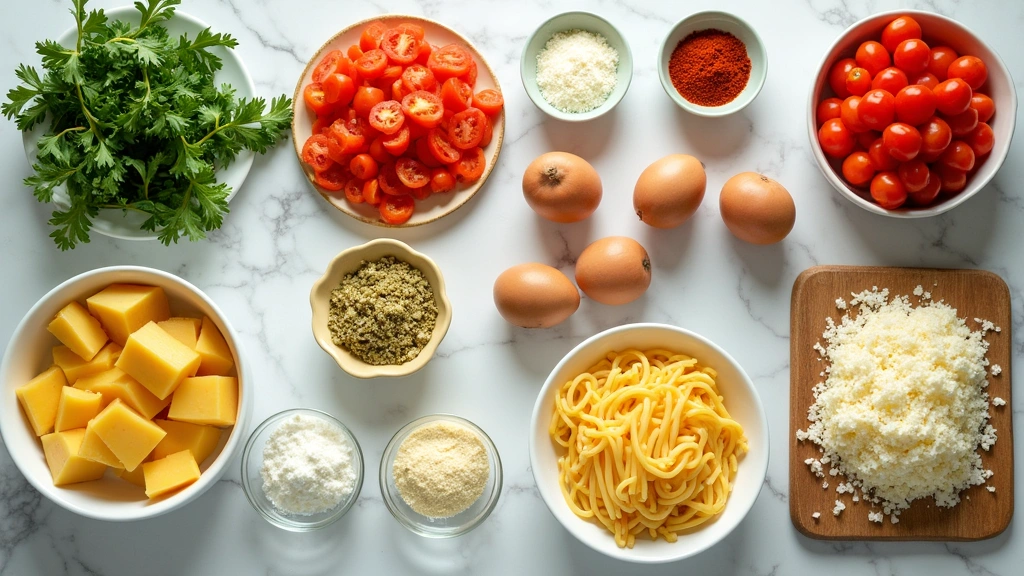
Gather all the ingredients and equipment needed for the recipe.
Ensure all vegetables are washed and chopped as specified.
Pre-cook the lasagna noodles according to package instructions.
Set aside all prepared ingredients for easy access during cooking.
Step 2: Brown the Meats
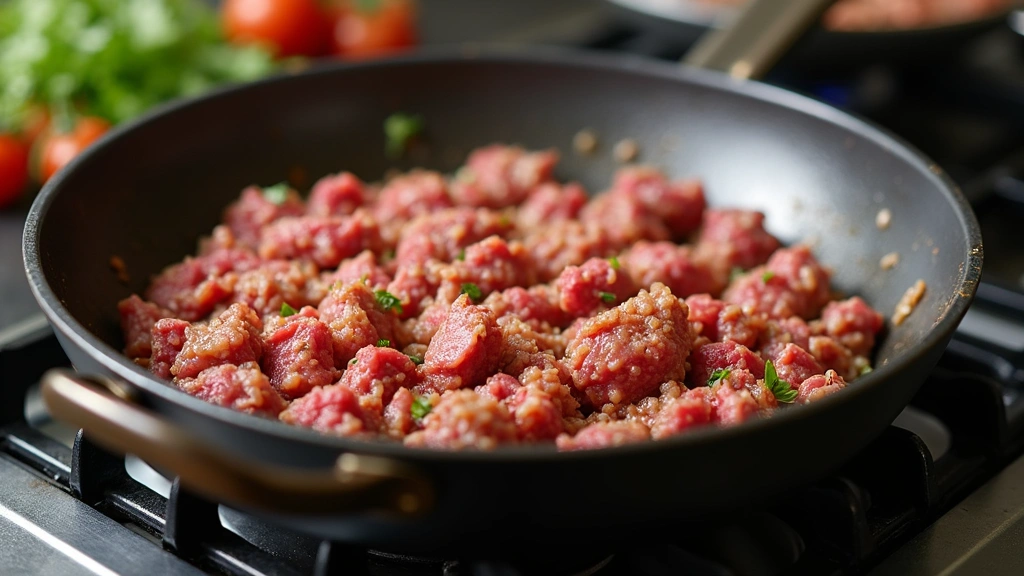
In a large skillet, heat a tablespoon of olive oil over medium heat.
Add ground beef and pork, using a spatula to break them into small pieces.
Cook until the meat is browned and no longer pink, about 8-10 minutes.
Drain excess fat and set the meat aside for later use.



Step 3: Sauté Aromatics
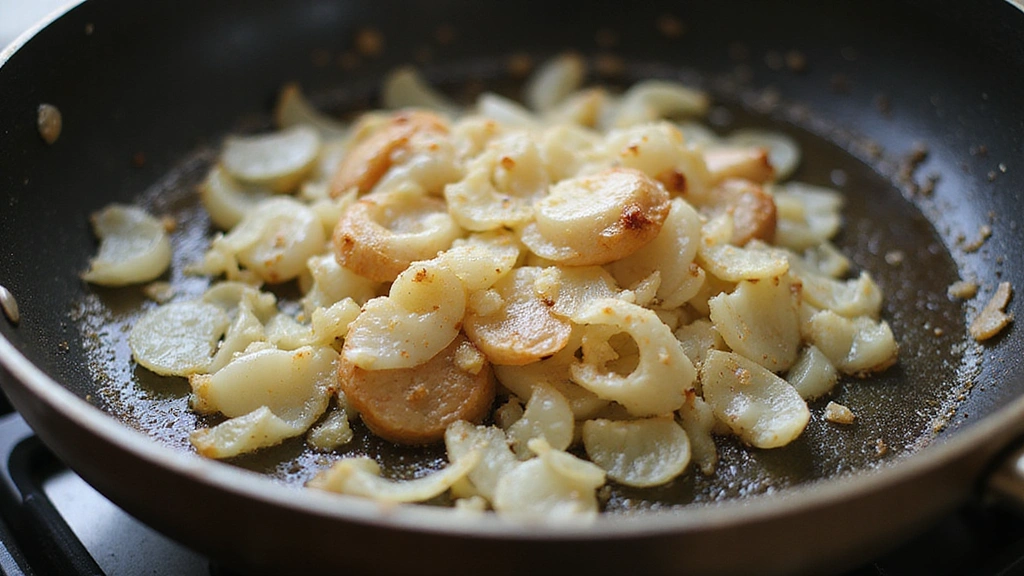
In the same skillet, add a bit more olive oil if needed.
Add minced garlic and chopped onions, stirring frequently.
Cook until the onions are translucent and the garlic is fragrant, about 3-4 minutes.
Be careful not to burn the garlic, as it can become bitter.
Step 4: Prepare the Sauce
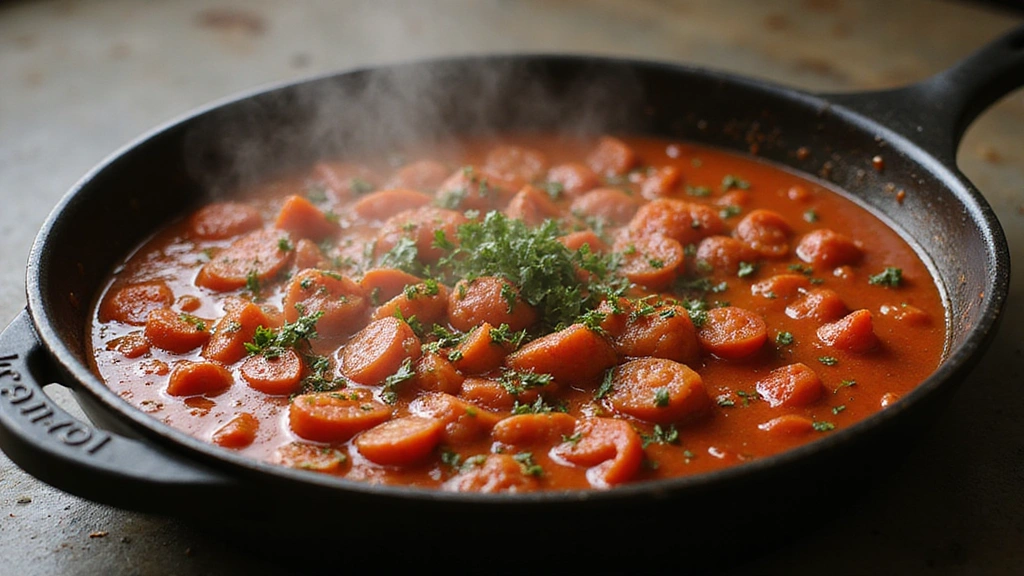
Add tomato sauce, diced tomatoes, and tomato paste to the skillet with the aromatics.
Stir in Italian seasoning, salt, and pepper.
Bring the sauce to a simmer and reduce heat to low.
Allow it to simmer for 15 minutes, stirring occasionally to prevent sticking.


Step 5: Assemble the Lasagna
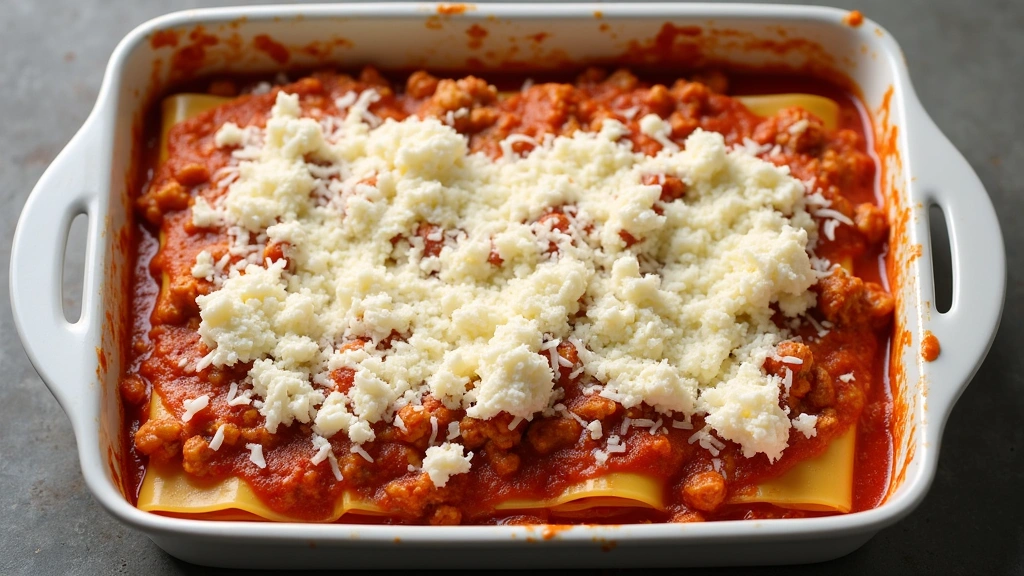
Preheat your oven to 375°F (190°C).
Spread a thin layer of sauce on the bottom of a large baking dish.
Place a layer of cooked noodles over the sauce.
Top with a third of the meat mixture and a third of the ricotta cheese.



Step 6: Build Additional Layers
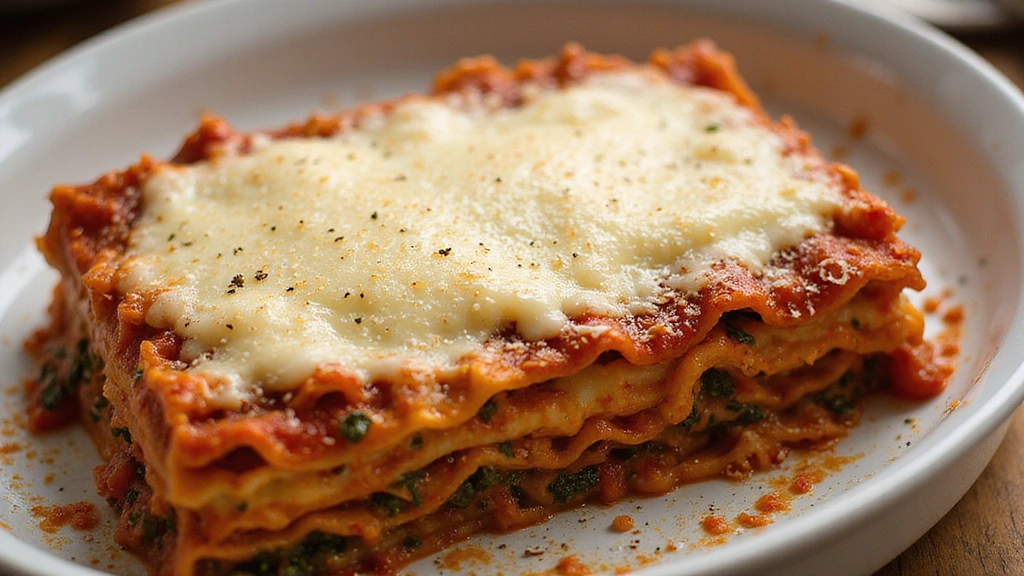
Repeat the layering process with sauce, noodles, meat, and cheeses.
Ensure each layer is even for consistent cooking.
Finish with a top layer of noodles and remaining sauce.
Sprinkle mozzarella and Parmesan cheese generously over the top.
Step 7: Bake the Lasagna
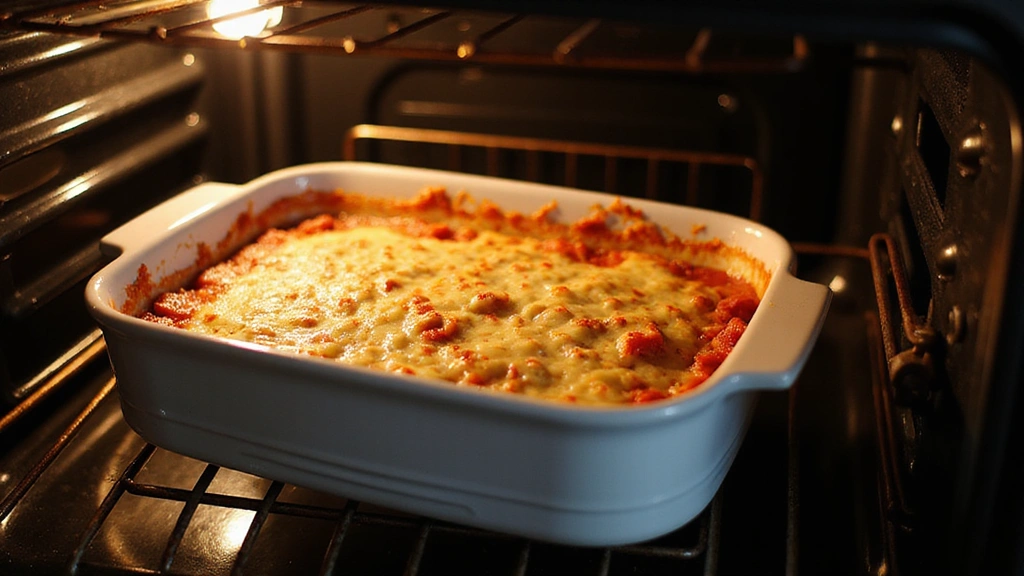
Cover the baking dish with aluminum foil to prevent excess browning.
Place it in the preheated oven on the middle rack.
Bake for 30 minutes, then remove the foil.
Continue baking for another 15 minutes until the top is golden and bubbly.

Step 8: Rest and Serve
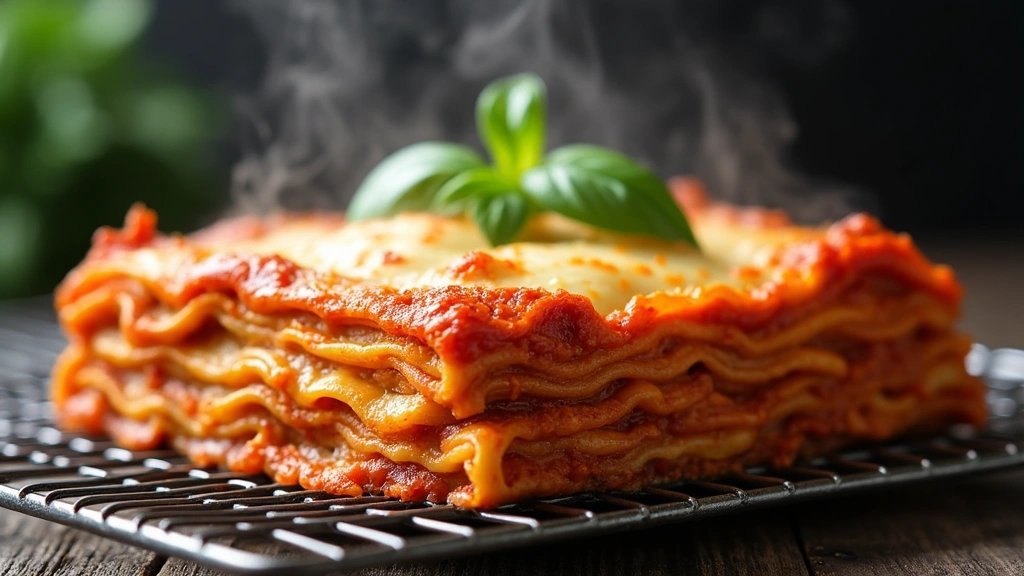
Remove the lasagna from the oven and let it rest for at least 10 minutes.
This allows the layers to set and makes serving easier.
Use a sharp knife to cut into portions.
Garnish with fresh basil or parsley before serving.
Critical Timing and Temperature Guide
Browning Meats: Brown meats over medium heat for 8-10 minutes until no pink remains. Avoid overcooking to prevent dryness.
Simmering Sauce: Simmer sauce on low heat for 15 minutes until thickened. Stir occasionally to prevent sticking.
Baking Lasagna: Bake at 375°F (190°C) for a total of 45 minutes. Look for a golden, bubbly top as an indicator of doneness.
Pro Tips for Southern Lasagna Recipe
• Ingredient Selection: Choose high-quality, fresh cheeses and ripe tomatoes for the best flavor. The quality of the ricotta and mozzarella significantly impacts the dish.
• Preparation Secret: Let the sauce simmer longer for deeper flavor. Many home cooks rush this step, but patience pays off.
• Temperature Management: Ensure all ingredients are at room temperature before assembly to promote even cooking.
• Texture Enhancement: Use a mix of ground beef and pork for a richer texture and flavor balance.
• Flavor Layering: Add fresh basil between layers for an aromatic depth that's unique to this recipe.
• Make-Ahead Strategies: Assemble the lasagna a day ahead and refrigerate. This allows flavors to meld. Bake just before serving.
• Restaurant-Quality Finishing Touches: Broil for 2-3 minutes after baking for a crispy cheese top.
• Equipment Optimization: Use a mandoline for uniform vegetable slices if adding additional vegetables.
Troubleshooting Common Issues
• Lasagna Too Watery: This can occur if the sauce isn't thickened enough or if watery vegetables are used. Ensure the sauce is reduced properly.
• Cheese Not Melting Properly: If cheese isn't melting well, ensure it's fresh and not pre-shredded, which often contains anti-caking agents.
• Burnt Cheese Top: Cover with foil during initial baking to prevent burning. Remove only for the last 15 minutes.
• Noodles Undercooked: Ensure noodles are fully boiled before layering. If they're still firm, they may not cook through in the oven.
• Layers Sliding Apart: Allow the lasagna to rest after baking. This helps layers set and makes cutting easier.
• Flavors Not Balanced: Taste and adjust seasonings during sauce preparation. Add salt, pepper, or herbs as needed to achieve the desired flavor.


Variations and Regional Differences
• Texas-Style Lasagna: Incorporates spicy sausage and jalapeños for a kick. Often includes corn and black beans.
• Louisiana Creole Lasagna: Features creole seasoning and seafood, such as shrimp or crawfish, for a unique twist.
• Vegetarian Southern Lasagna: Uses a variety of vegetables like zucchini, spinach, and mushrooms, replacing meat with extra cheese.
• Deep South Lasagna: Sometimes includes fried chicken layers and white gravy for a heartier, Southern comfort spin.
Food Science Behind the Recipe
• Maillard Reaction: Browning meats initiates the Maillard reaction, creating complex flavors and aromas that form the dish's base.
• Emulsification: The combination of fats from cheese and oils in the sauce creates a stable emulsion, giving the lasagna its rich mouthfeel.
• Starch Gelatinization: Cooking the noodles releases starches that help thicken the layers, binding the lasagna together.
Frequently Asked Questions
What's the most common mistake people make when preparing Southern Lasagna? Rushing the sauce preparation and not allowing it to simmer long enough can result in a bland lasagna.
Can I freeze Southern Lasagna? Yes, it freezes well. Assemble the lasagna, then freeze before baking. Thaw in the fridge overnight before baking.
How do I prevent my lasagna from being too dry? Ensure you have enough sauce in each layer and cover the dish with foil to retain moisture during baking.
Is it necessary to pre-cook the noodles? While no-boil noodles are available, pre-cooking ensures the best texture.
How do I make a gluten-free version? Use gluten-free lasagna noodles and ensure all other ingredients, like sauces, are gluten-free.
Can I add extra vegetables? Yes, just make sure to sauté them first to remove excess moisture.
What's the best way to reheat leftovers? Reheat in the oven at 350°F (175°C) covered with foil until heated through, about 20 minutes.
Serving and Presentation Guide
• Traditional Presentation: Serve directly from the baking dish, family-style, with a garnish of fresh herbs.
• Individual Portions: Slice into squares and plate individually, drizzling extra sauce around the edge for a professional touch.
• Buffet Style: Keep warm in a chafing dish, allowing guests to serve themselves.
• Rustic Presentation: Serve on wooden boards or rustic plates, focusing on simple elegance and comfort.

Conclusion
This Southern Lasagna Recipe is a soul-warming dish that brings family and friends together.
With its layers of rich flavors and comforting textures, it's sure to become a favorite in your home.
Give this recipe a try and experience the taste of Southern comfort right in your kitchen.