


The harmonious balance of fresh vegetables, creamy ricotta, and savory tomato sauce creates a memorable dining experience that will have everyone asking for your secret.
Lasagna is a dish that brings comfort and warmth, perfect for any family gathering or a cozy night in.
This Simple Healthy Lasagna Recipe offers a lighter take on the classic, ensuring you enjoy all the flavors without feeling guilty.
With under 400 calories per serving, it’s a delicious and nutritious option for those mindful of their diet.
Join me as we explore this delightful recipe that combines tradition with health-conscious choices.
Whether you’re a seasoned cook or a beginner, this recipe is straightforward and rewarding.
The History and Cultural Significance
• Simple Healthy Lasagna traces its origins to ancient Greece and Rome, where it was originally created by layering sheets of pasta with various fillings.
• The dish evolved over decades as tomatoes became more prevalent in Italian cuisine, eventually becoming the beloved version we know today.
• In Italy, this dish traditionally appears at family gatherings and festive occasions, symbolizing warmth and togetherness.
• While many variations exist across different regions, the authentic version maintains its layered structure and rich flavors that set it apart from imitations.
Recipe Overview
Nutritional Information (per serving)
Essential Equipment Guide
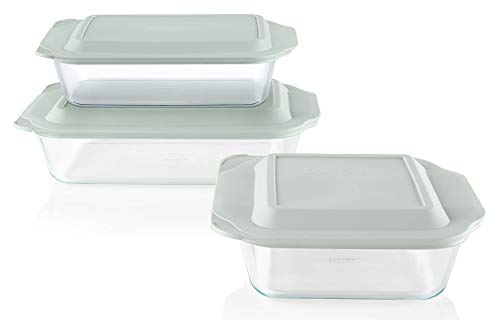
Baking Dish: A quality baking dish ensures even cooking and prevents the lasagna from sticking. Look for a ceramic or glass dish to retain heat well, though metal can be an acceptable alternative.
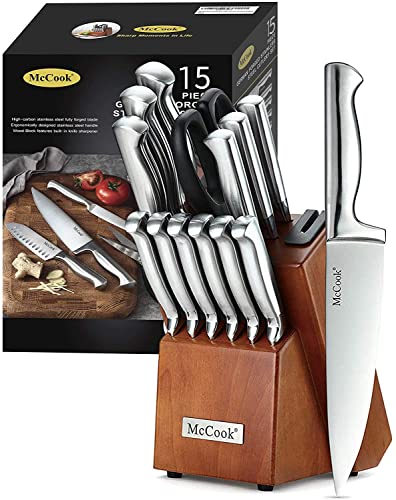
Sharp Knife: A sharp knife is crucial for slicing vegetables evenly, enhancing presentation and ensuring even cooking. A serrated knife can be a good substitute for chopping tomatoes.
Slotted Spoon: Useful for layering the lasagna without transferring too much liquid from the sauce, which helps maintain the desired texture. A regular spoon can work, but may require more careful handling.




Ingredients
For the Base
|
|
| Amount | Ingredient | Notes |
|---|---|---|
| 9 sheets | whole wheat lasagna noodles | provides a hearty base with added fiber |
| 1 cup | part-skim ricotta cheese | adds creaminess without excessive calories |
Vegetables
| Amount | Ingredient | Notes |
|---|---|---|
| 2 cups | baby spinach | chopped for added nutrients and color |
| 1 medium | zucchini | thinly sliced for texture and freshness |
| 1 large | bell pepper | diced for sweetness and crunch |
For the Sauce
| Amount | Ingredient | Notes |
|---|---|---|
| 2 cups | crushed tomatoes | rich and flavorful base for the sauce |
| 1 teaspoon | olive oil | adds depth and aids in cooking |
| 2 cloves | garlic | minced for aromatic flavor |
Seasonings
| Amount | Ingredient | Notes |
|---|---|---|
| 1 teaspoon | dried oregano | for classic Italian flavor |
| 1 teaspoon | dried basil | enhances the sauce with herbal notes |
| 1 teaspoon | salt | enhances overall flavor |
| 1/2 teaspoon | black pepper | adds subtle heat |
Cheese
| Amount | Ingredient | Notes |
|---|---|---|
| 1 cup | shredded mozzarella cheese | melts beautifully for a gooey topping |




Preparation Methods
Blanching Vegetables: Blanching involves briefly boiling the vegetables and then plunging them into ice water to stop the cooking process. This technique preserves vibrant colors and nutrients, making it ideal for keeping vegetables crisp and fresh in the lasagna.
Layering Technique: Proper layering ensures even distribution of flavors and textures. Start with a thin layer of sauce to prevent sticking, alternate with noodles, vegetables, ricotta, and sauce, and finish with mozzarella for a perfect top layer.
Sauce Reduction: Reducing the sauce involves simmering it to evaporate excess moisture, concentrating flavors, and ensuring the lasagna doesn't become watery. This step is crucial for achieving the right consistency.


Step 1: Prepare Ingredients
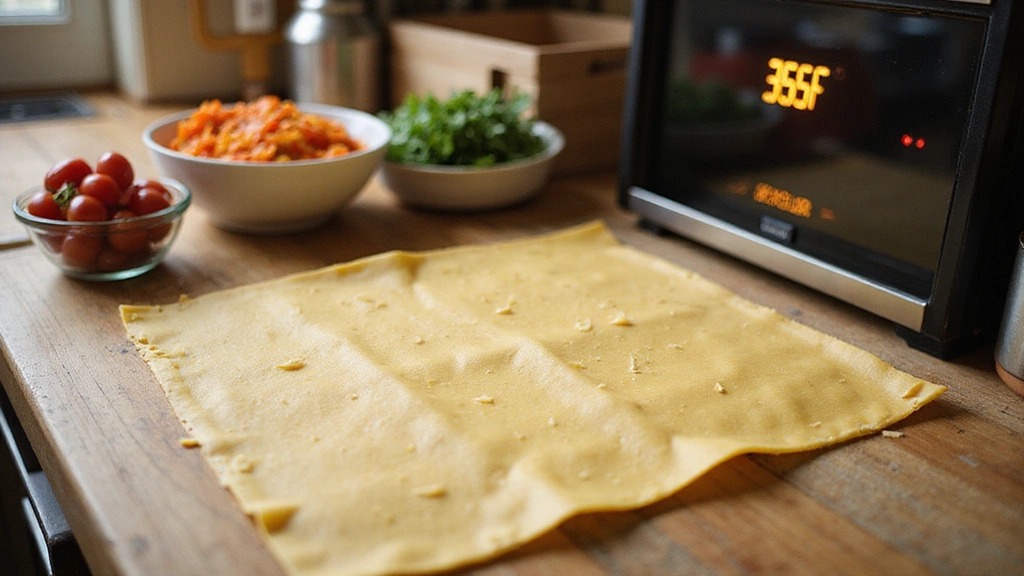
Gather all ingredients and ensure they are at room temperature.
Wash and chop the vegetables, setting them aside in separate bowls.
Cook the lasagna noodles according to package instructions, then drain and lay them flat on a clean surface.
Preheat your oven to 375°F (190°C) to get it ready for baking.
Step 2: Blanch the Spinach

Bring a pot of water to a boil and add the chopped spinach.
Blanch for about 1 minute, then quickly transfer the spinach to a bowl of ice water.
Drain the spinach and squeeze out excess water, setting it aside.
This step keeps the spinach bright green and prevents it from wilting in the lasagna.
Step 3: Prepare the Sauce

Heat olive oil in a saucepan over medium heat.
Add minced garlic and sauté until fragrant, about 1 minute.
Stir in crushed tomatoes, oregano, basil, salt, and pepper.
Simmer the sauce for 10 minutes to allow flavors to meld and reduce slightly.


Step 4: Layer the Lasagna
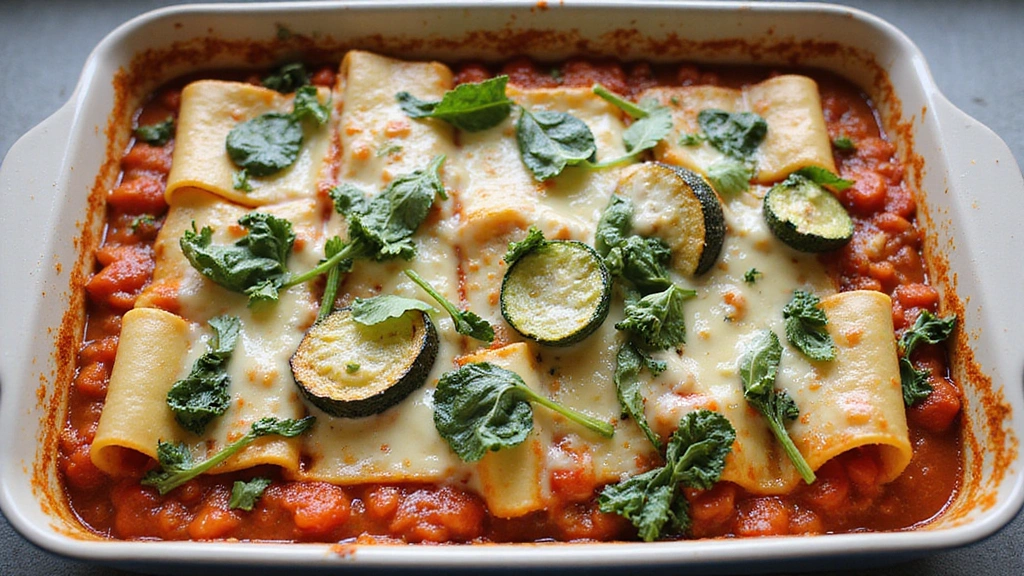
Spread a thin layer of sauce in the bottom of your baking dish.
Place three lasagna noodles over the sauce, slightly overlapping.
Add half of the ricotta cheese, spreading it evenly over the noodles.
Top with half of the spinach, zucchini, and bell pepper, then cover with more sauce.




Step 5: Repeat the Layers
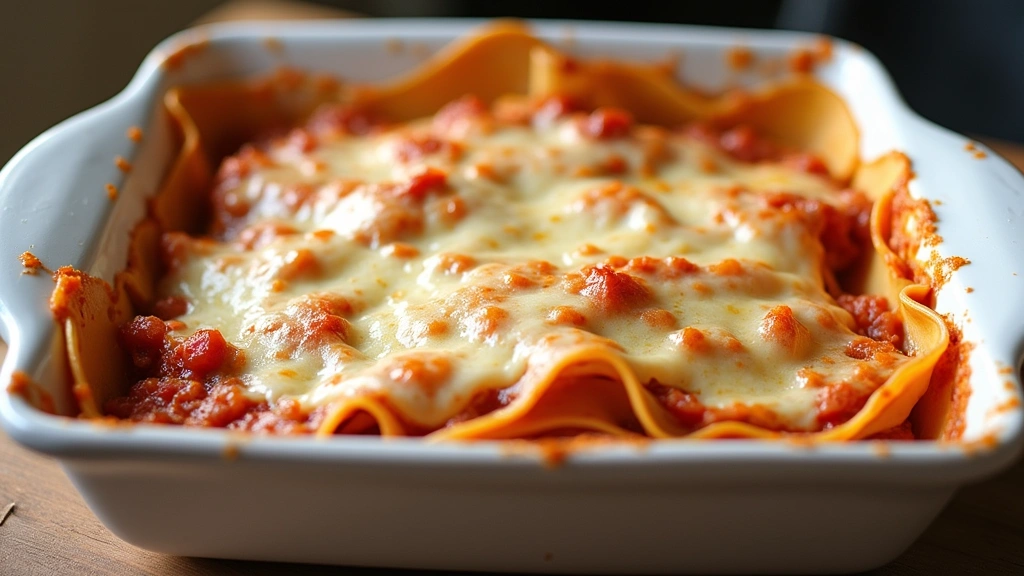
Place another three noodles over the vegetable layer.
Spread the remaining ricotta cheese evenly over the noodles.
Add the remaining spinach, zucchini, and bell pepper.
Cover with more sauce, reserving some for the final layer.
Step 6: Add the Final Layers
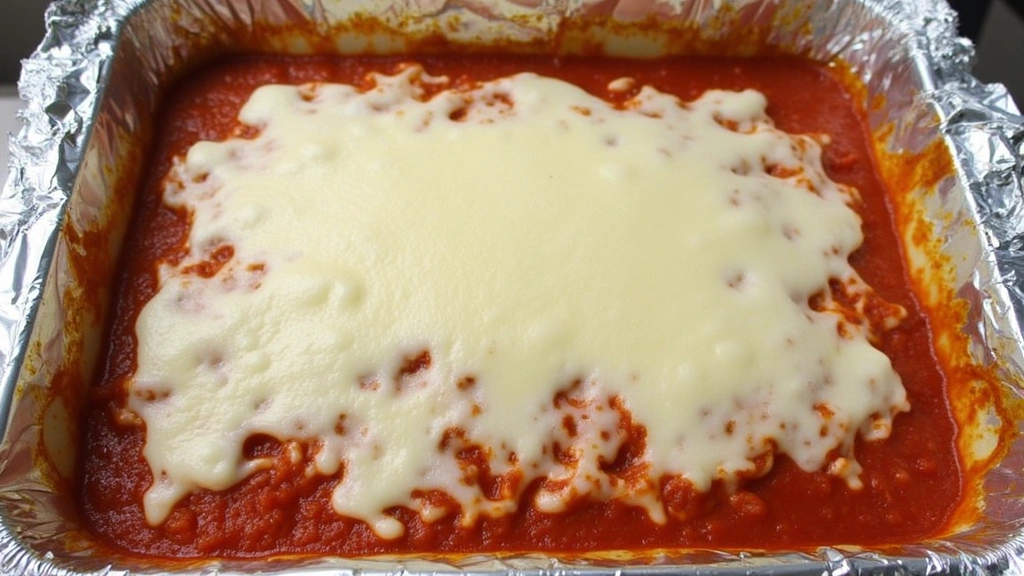
Place the last three noodles on top of the layered ingredients.
Spread the remaining sauce evenly over the noodles.
Sprinkle shredded mozzarella cheese evenly across the top.
Cover the baking dish with aluminum foil, ensuring it doesn't touch the cheese.

Step 7: Bake the Lasagna
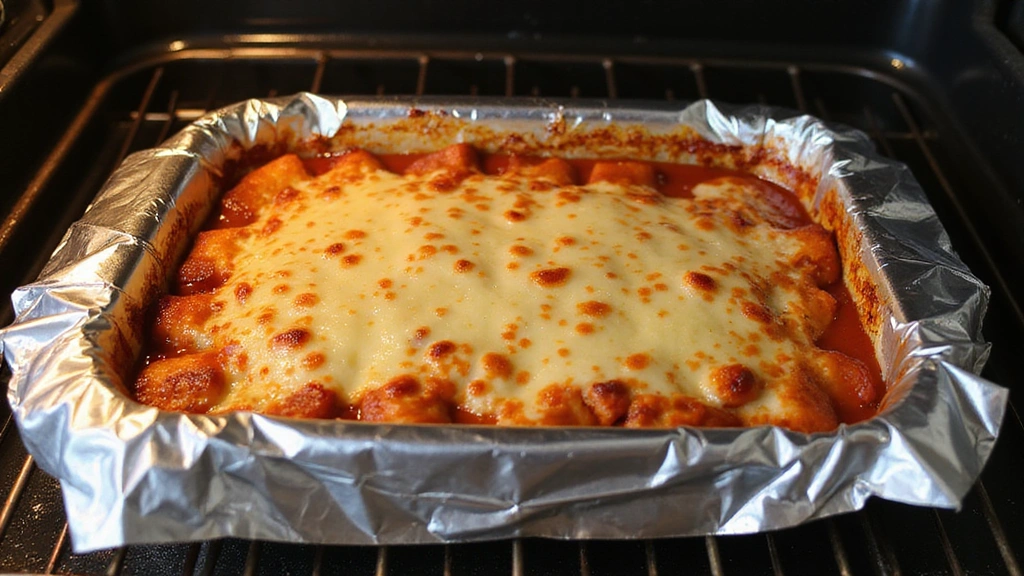
Place the covered baking dish in the preheated oven.
Bake for 30 minutes, allowing the layers to meld and the cheese to melt.
Remove the foil and bake for an additional 10 minutes to brown the cheese.
Check for bubbling around the edges and a golden top as indicators of doneness.
Step 8: Rest and Serve
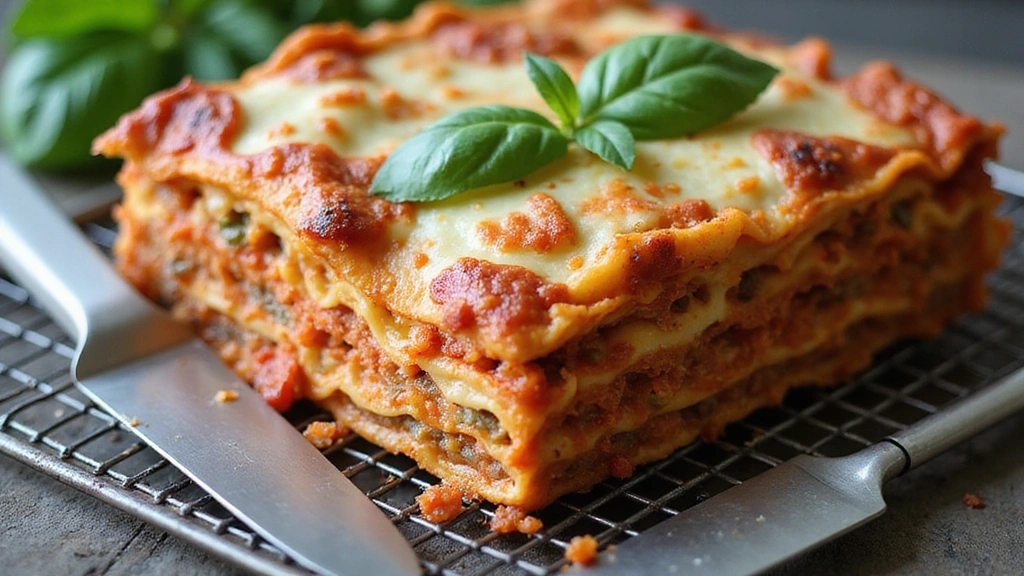
Remove the lasagna from the oven and let it rest for 10 minutes.
This resting period allows the layers to set and makes slicing easier.
Cut the lasagna into even portions using a sharp knife.
Serve warm, garnished with fresh basil if desired.
Critical Timing and Temperature Guide
Baking: Bake at 375°F (190°C) for a total of 40 minutes. Look for bubbling edges and golden top. Avoid opening the oven frequently to maintain consistent temperature.
Resting: Rest for 10 minutes after baking. This allows layers to set and makes slicing easier. Cutting too soon may cause layers to slip.
Sauce Reduction: Simmer sauce for at least 10 minutes on medium heat until slightly thickened. Avoid high heat to prevent burning.
Pro Tips for Simple Healthy Lasagna
• Ingredient Selection: Opt for fresh, organic vegetables and high-quality ricotta cheese to enhance the overall flavor and nutritional value.
• Preparation Secret: Squeeze the blanched spinach thoroughly to remove excess water, preventing the lasagna from becoming soggy.
• Temperature Management: Ensure all refrigerated ingredients reach room temperature before layering to promote even cooking.
• Texture Enhancement: Use whole wheat noodles for a firmer texture and added fiber.
• Flavor Layering: Add a pinch of nutmeg to the ricotta for a depth of flavor that complements the tomato sauce.
• Make-Ahead Strategies: Assemble the lasagna in advance and refrigerate overnight. Bake it fresh the next day for a convenient meal.
• Restaurant-Quality Finishing Touches: Garnish with fresh basil or parsley before serving for a pop of color and freshness.
• Equipment Optimization: Use a mandoline slicer for even vegetable slices, ensuring consistent cooking and presentation.
Troubleshooting Common Issues
• Texture Too Dense: Overcooked noodles can lead to a dense texture. Use a timer during boiling and check for al dente.
• Flavors Unbalanced: If flavors seem flat, add more salt or herbs to the sauce. Taste and adjust before assembling.
• Too Watery: Ensure vegetables are properly drained and sauce is reduced to avoid excess moisture.
• Cheese Not Melting: Use freshly shredded mozzarella for better melting and browning.
• Uneven Cooking: Rotate the baking dish halfway through baking to ensure even heat distribution.
• Burnt Top: If the cheese browns too quickly, tent the lasagna with foil during the last 10 minutes of baking.


Variations and Regional Differences
• Vegetarian Version: Use a mix of mushrooms and eggplant for a heartier texture and umami flavor.
• Italian-American Style: Incorporate ground turkey or chicken for added protein, while keeping the dish light.
• Gluten-Free Variation: Substitute gluten-free lasagna noodles and ensure all other ingredients are certified gluten-free.
• Traditional Bolognese: Use a rich meat sauce instead of vegetables, adding beef and pork for a classic taste.
Food Science Behind the Recipe
• Maillard Reaction: The browning of mozzarella during baking results from the Maillard reaction, enhancing flavor and aroma.
• Gelatinization: Cooking the noodles causes starches to gelatinize, providing structure and stability to the lasagna layers.
• Emulsification: Olive oil in the sauce aids in emulsifying the ingredients, creating a smooth and cohesive texture.
Frequently Asked Questions
What's the most common mistake people make when preparing Simple Healthy Lasagna? Overcooking the noodles is a frequent mistake, leading to a mushy texture. Always aim for al dente.
Can I freeze leftovers? Yes, lasagna freezes well. Cut into portions and wrap each piece tightly before freezing for up to 3 months.
What's an alternative to ricotta cheese? Cottage cheese can be used as a lower-fat alternative, though it may alter the texture slightly.
How can I make this recipe vegan? Substitute ricotta and mozzarella with plant-based alternatives and ensure all other ingredients are vegan-friendly.
Why is my lasagna watery? Excess water can result from insufficient sauce reduction or improperly drained vegetables.
How long can I store cooked lasagna in the fridge? Store in an airtight container for up to 4 days.
Is it necessary to cover the lasagna while baking? Covering prevents the top from browning too quickly and helps retain moisture.
Serving and Presentation Guide
• Traditional Presentation: Serve in square portions, with each piece neatly stacked and edges clean.
• Family Style: Present the entire baking dish at the table, allowing guests to serve themselves.
• Individual Portions: Use ramekins to create personal-sized lasagnas for an elegant touch.
• Garnish and Color: Enhance visual appeal with fresh basil leaves and a sprinkle of Parmesan cheese before serving.
Conclusion
This Simple Healthy Lasagna Recipe is a delightful way to enjoy a classic dish with a nutritious twist.
With its straightforward preparation and rich flavors, it's perfect for any occasion.
I hope you find joy in making and sharing this dish with your loved ones.
Give it a try and savor the comforting taste of lasagna without the guilt.