

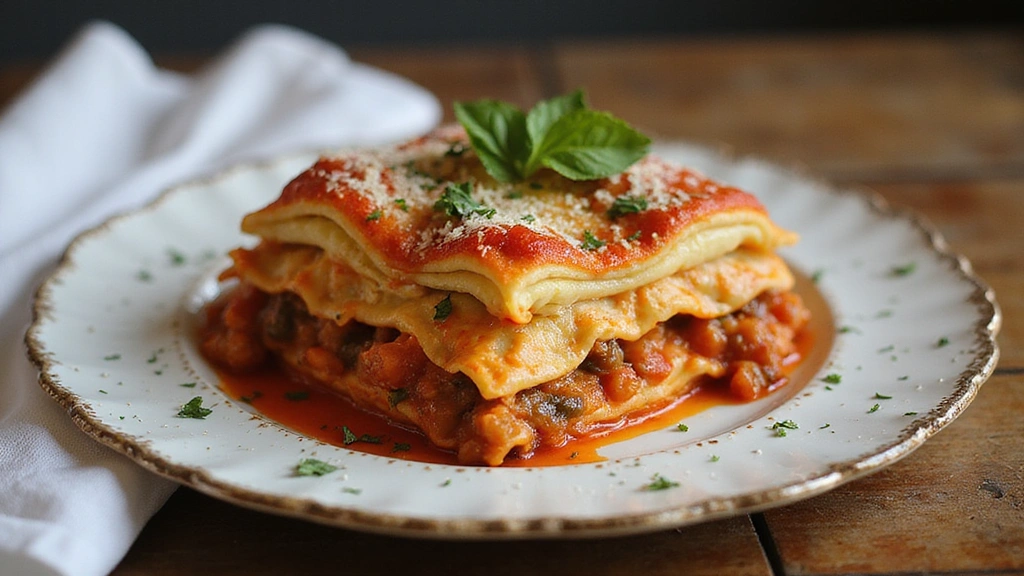
This classic lasagna brings together centuries of culinary tradition with modern techniques to create a dish that’s both comforting and elegant.
The harmonious balance of rich tomato sauce, creamy béchamel, and layers of tender pasta creates a memorable dining experience that will have everyone asking for your secret.
I discovered this recipe during my travels through Italy, where local chefs have perfected it through generations of careful refinement.
Whether you’re preparing a casual family dinner or hosting a special celebration, this lasagna delivers impressive results with straightforward preparation.
The History and Cultural Significance
• The Ultimate Classic traces its origins to Ancient Rome, where it was originally created by layering sheets of dough with meat and cheese.
• The dish evolved over decades as tomato sauce became a staple in Italian cuisine, eventually becoming the beloved version we know today.
• In Italy, this dish traditionally appears at family gatherings and celebrations, symbolizing comfort and unity.
• While many variations exist across different regions, the authentic version maintains the use of béchamel sauce and ricotta cheese that sets it apart from imitations.


Recipe Overview
Nutritional Information (per serving)
Essential Equipment Guide
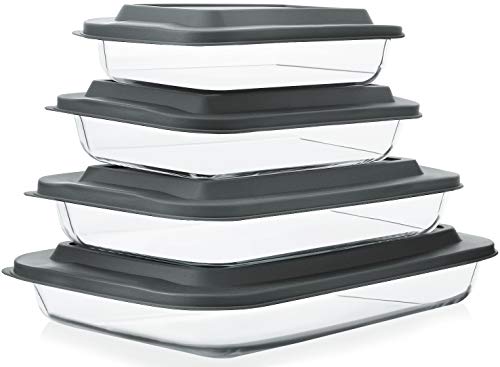
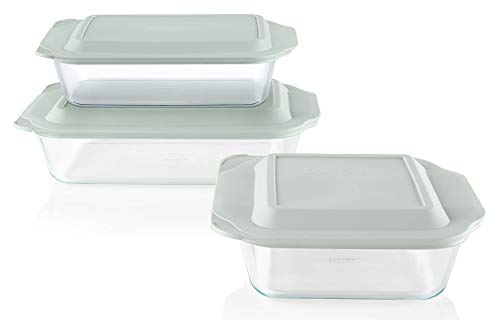
Lasagna Pan: A deep, rectangular baking dish is essential for holding the layers of noodles, sauce, and cheese. A ceramic or glass pan retains heat evenly, ensuring the lasagna cooks uniformly. Alternatives like disposable aluminum pans can work but may not provide the same even cooking.
Large Saucepan: A large saucepan is vital for making the sauce. It should be heavy-bottomed to prevent the sauce from burning. A non-stick surface can be helpful, but stainless steel ensures even browning.
Pasta Roller: A pasta roller is important for achieving the thin, even sheets of pasta that characterize authentic lasagna. A manual roller is traditional, but an electric model can save time and effort. Look for adjustable thickness settings.


Ingredients
For the Base
|
|
| Amount | Ingredient | Notes |
|---|---|---|
| 9 sheets | lasagna noodles | homemade or store-bought |
| 2 tablespoons | olive oil | for cooking |
For the Sauce
| Amount | Ingredient | Notes |
|---|---|---|
| 1 pound | ground beef | adds richness |
| 1 pound | ground pork | adds flavor |
| 1 medium | onion | finely chopped |
| 3 cloves | garlic | minced |
| 28 ounces | canned tomatoes | crushed |
| 1 tablespoon | tomato paste | for depth |
| 1 teaspoon | dried oregano | for aroma |
| 1 teaspoon | dried basil | for freshness |
| 1 teaspoon | salt | enhances flavor |
For the Béchamel Sauce
| Amount | Ingredient | Notes |
|---|---|---|
| 4 tablespoons | butter | unsalted |
| 4 tablespoons | flour | for thickening |
| 3 cups | milk | whole |
| 1 teaspoon | nutmeg | adds warmth |
| 1 teaspoon | salt | to taste |
Cheese
| Amount | Ingredient | Notes |
|---|---|---|
| 15 ounces | ricotta cheese | creamy texture |
| 2 cups | mozzarella cheese | shredded |
| 1 cup | Parmesan cheese | grated |


Preparation Methods
Making Fresh Pasta: This technique involves combining flour and eggs to create a dough, which is then rolled into thin sheets. It's crucial for achieving the tender, melt-in-your-mouth texture that distinguishes homemade lasagna. Knead the dough until smooth, and allow it to rest before rolling.
Simmering the Sauce: Slow cooking the sauce allows flavors to meld and intensify. This is critical for achieving a rich, deep flavor. Use a low heat and stir occasionally to prevent sticking. Taste the sauce and adjust seasonings as needed.
Layering: Proper layering ensures even distribution of flavors and textures. Start with a thin layer of sauce, followed by noodles, ricotta, and béchamel. Repeat the layers, finishing with a top layer of mozzarella and Parmesan for a golden crust.
![Good Housekeeping Illustrated Cookbook [Hardcover]](https://m.media-amazon.com/images/I/61a4+r5wTIL._SL500_.jpg)


Step 1: Prepare the Sauce
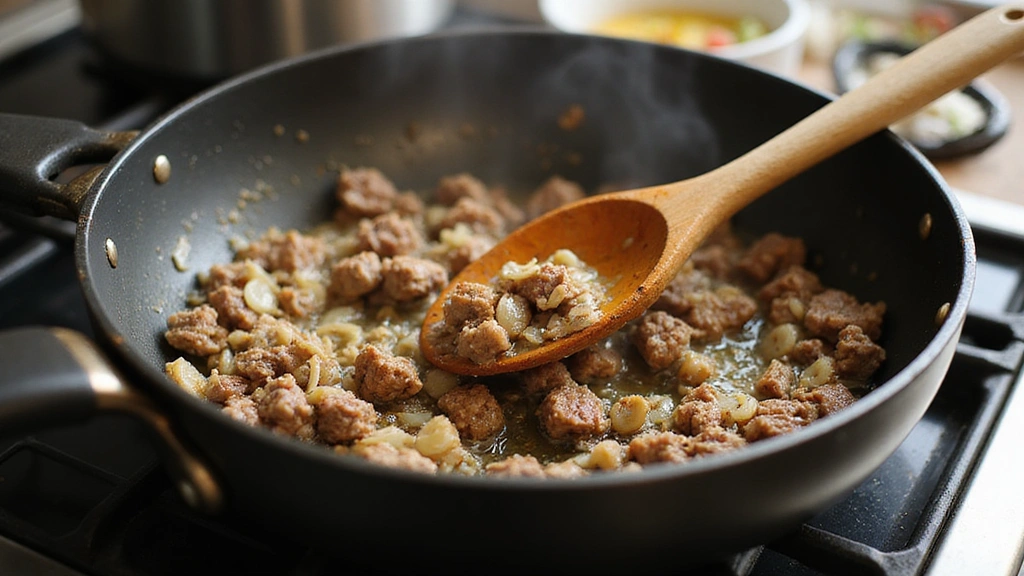
Heat olive oil in a large saucepan over medium heat.
Add the ground beef and pork, cooking until browned.
Stir in the chopped onion and minced garlic, cooking until fragrant.
Add the crushed tomatoes, tomato paste, oregano, basil, and salt, then simmer for 30 minutes.


Step 2: Make the Béchamel Sauce
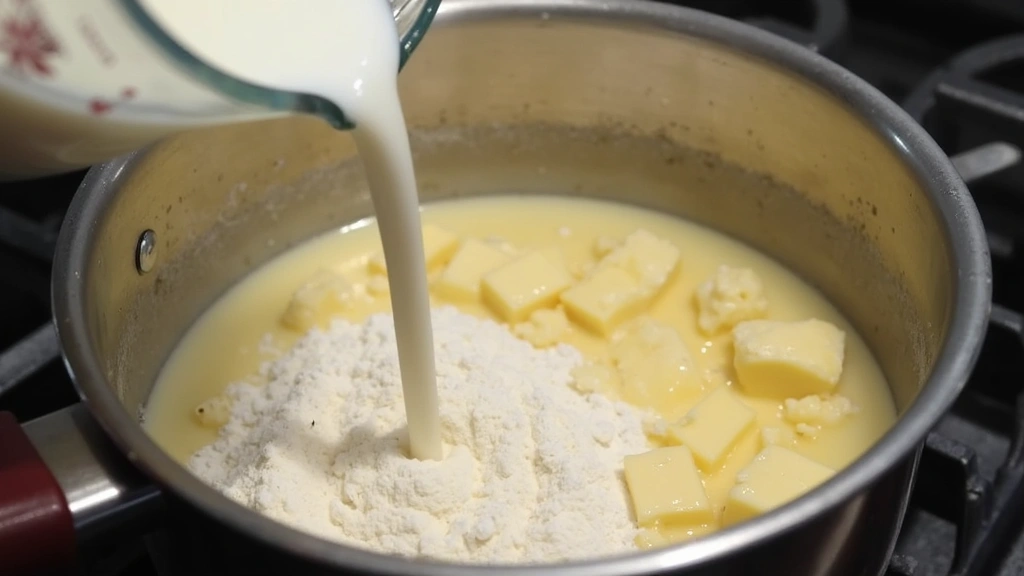
Melt butter in a separate saucepan over medium heat.
Whisk in flour, cooking until golden brown.
Gradually add milk, whisking continuously to prevent lumps.
Season with salt and nutmeg, then simmer until thickened.
Step 3: Cook the Noodles
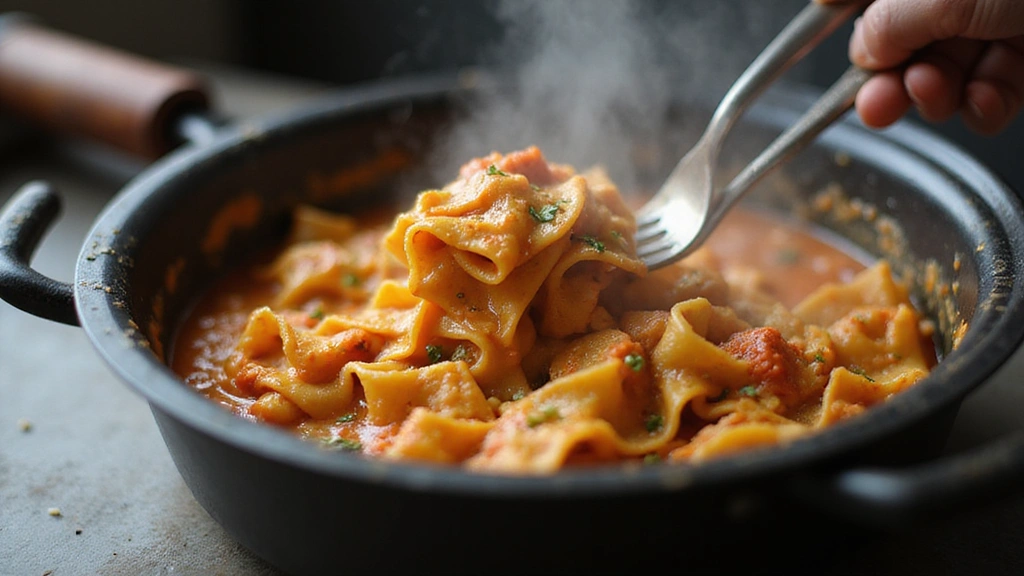
Bring a large pot of salted water to a boil.
Add lasagna noodles and cook until al dente, about 8 minutes.
Drain the noodles and lay them flat on a clean surface.
Drizzle with olive oil to prevent sticking.



Step 4: Assemble the Lasagna
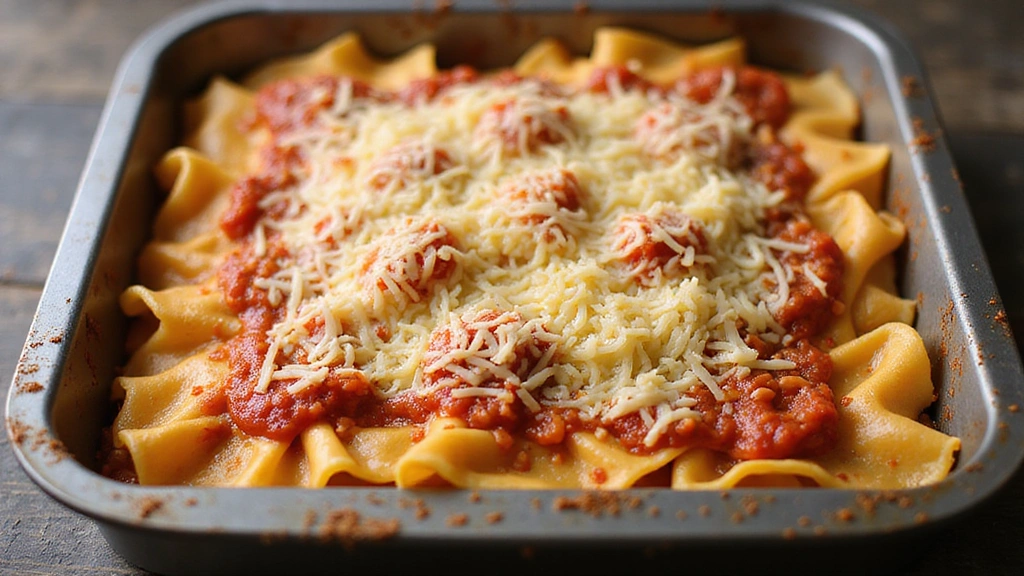
Preheat the oven to 375°F (190°C).
Spread a layer of sauce on the bottom of the lasagna pan.
Place a layer of noodles over the sauce, followed by ricotta and béchamel.
Repeat layers, finishing with mozzarella and Parmesan.
Step 5: Bake the Lasagna
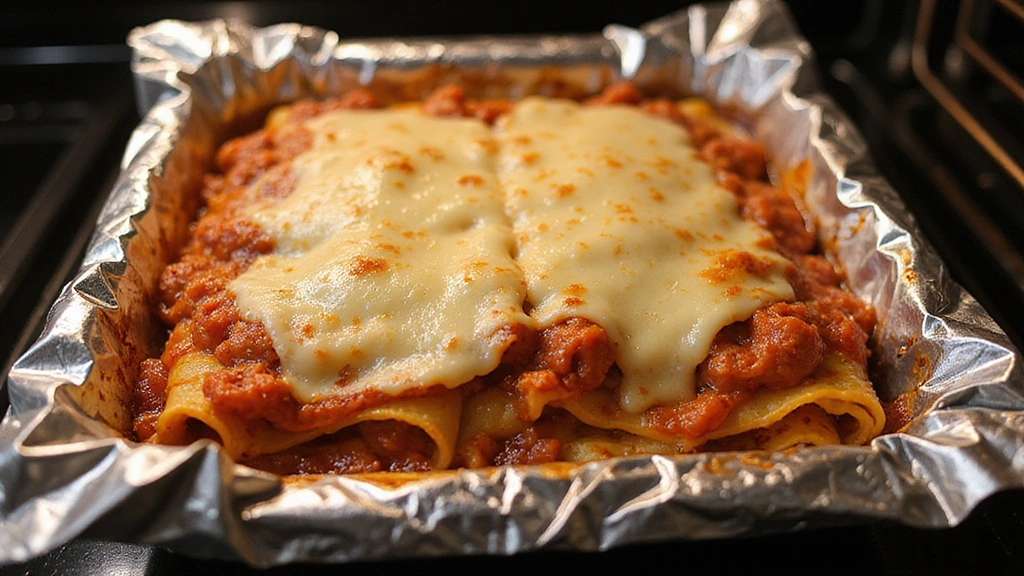
Cover the lasagna with foil to prevent excessive browning.
Bake in the preheated oven for 25 minutes.
Remove the foil and continue baking until the top is golden and bubbly.
Let the lasagna cool for 10 minutes before serving.


Step 6: Make the Fresh Pasta (Optional)
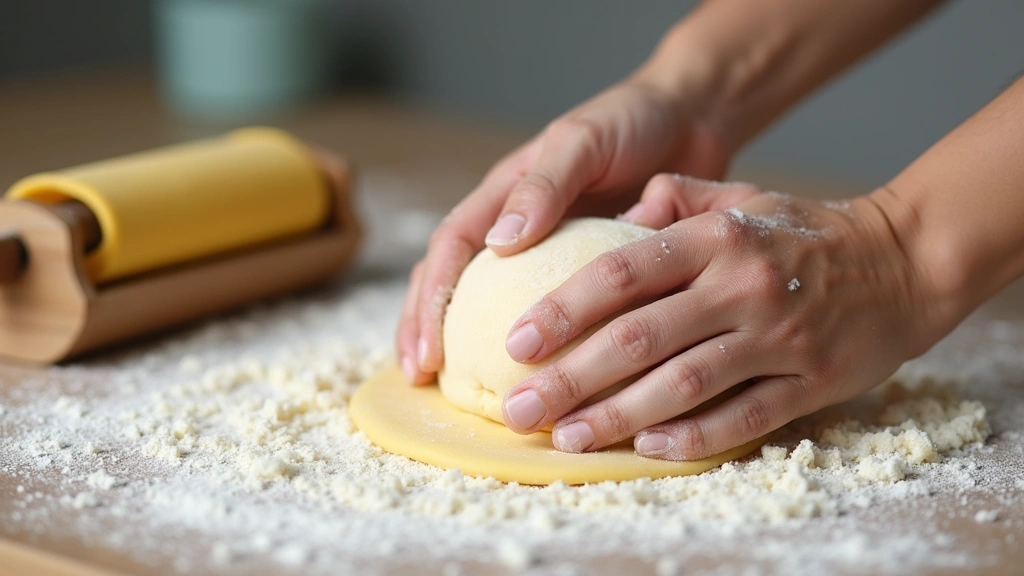
Combine flour and eggs to form a dough.
Knead until smooth and elastic, about 10 minutes.
Let the dough rest for at least 30 minutes.
Roll out into thin sheets using a pasta roller.
Step 7: Adjust Seasonings
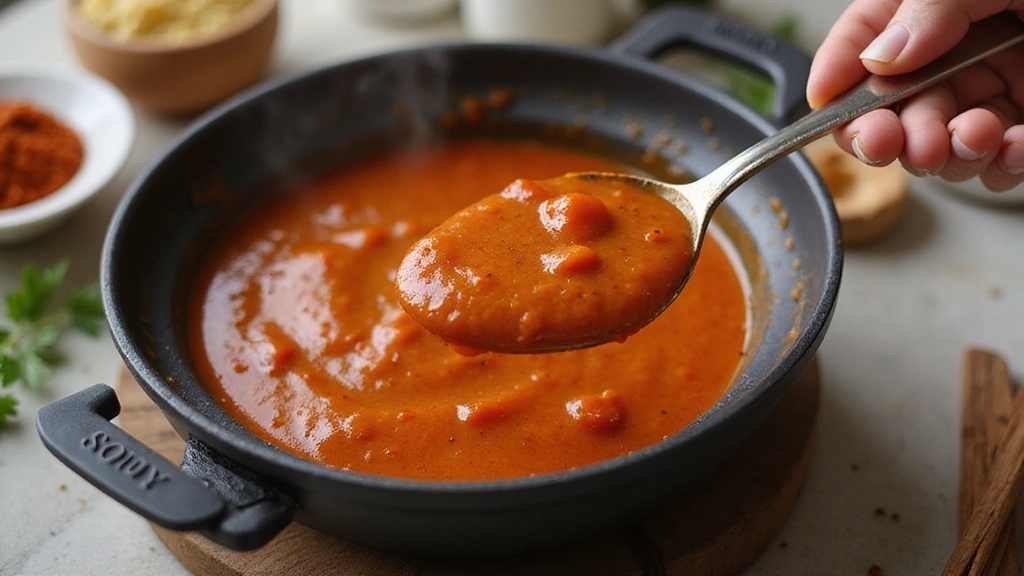
Taste the sauce for balance of flavors.
Add more salt or herbs if necessary.
Ensure the sauce is not too acidic by adding a pinch of sugar if needed.
Stir well after each addition and taste again.





Step 8: Serve the Lasagna
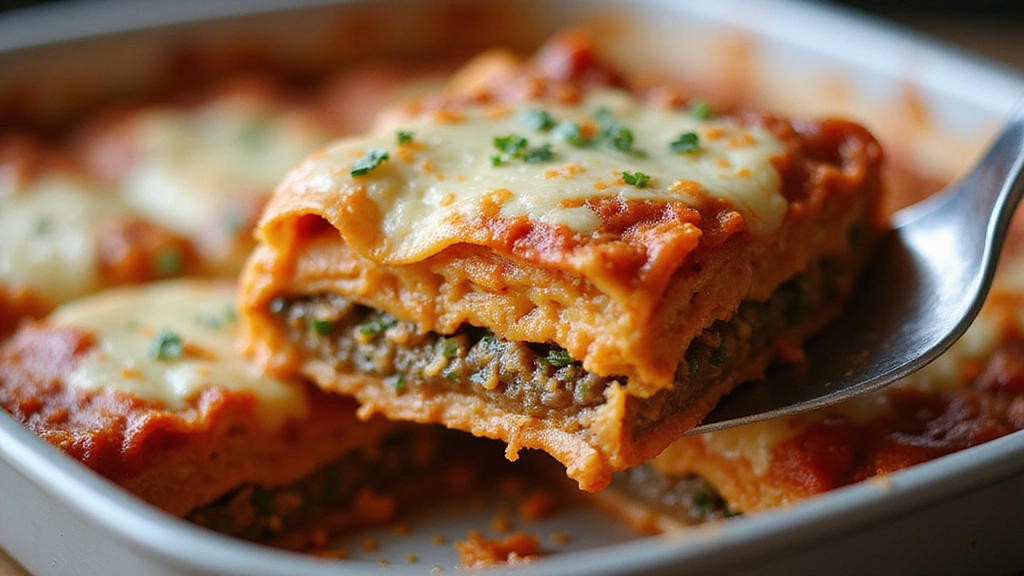
Cut the lasagna into equal portions.
Use a spatula to gently lift and serve each piece.
Garnish with fresh basil or parsley for color.
Serve hot, alongside a fresh salad or garlic bread.


Critical Timing and Temperature Guide
Simmering the Sauce: Simmer at a low heat for 30 minutes, stirring occasionally. Look for a thick, rich consistency as a sign of readiness. Avoid rushing this step to prevent a watery sauce.
Baking the Lasagna: Bake at 375°F (190°C) for 50 minutes total. The top should be golden and bubbling when done. If the top browns too quickly, cover with foil.
Cooling Before Serving: Allow the lasagna to cool for at least 10 minutes after baking. This helps the layers set and makes slicing easier. Serving too soon can result in messy portions.
Pro Tips for The Ultimate Classic
• Ingredient Selection: Use fresh, high-quality tomatoes and cheeses. San Marzano tomatoes and authentic Italian ricotta make a significant difference in flavor.
• Preparation Secret: Adding a pinch of sugar to the tomato sauce balances acidity and enhances sweetness.
• Temperature Management: Ensure béchamel sauce doesn't boil; it should gently simmer to avoid curdling.
• Texture Enhancement: Let the lasagna rest after baking to firm up the layers, ensuring clean cuts.
• Flavor Layering: Layer herbs in between sauce and cheese for bursts of flavor in every bite.
• Make-Ahead Strategies: Assemble the lasagna a day in advance and refrigerate. Bring to room temperature before baking.
• Restaurant-Quality Finishing Touches: Broil the top for 2-3 minutes for a crispy cheese layer.
• Equipment Optimization: Use a heavy-bottomed saucepan for even heat distribution when making sauces.


Troubleshooting Common Issues
• Texture Too Dense: Caused by overcooked noodles or too much sauce. Recognize by heavy layers during assembly. Fix by using less sauce and cooking noodles al dente.
• Flavors Unbalanced: Often due to too much acidity in tomatoes. Taste the sauce and add sugar if needed. Prevent by using sweet, ripe tomatoes.
• Cheese Not Melting Properly: Caused by low-quality or pre-shredded cheese with anti-caking agents. Use fresh mozzarella and grate your own Parmesan.
• Watery Lasagna: Occurs when the sauce is too thin. Recognize by watery consistency when serving. Fix by simmering the sauce longer to reduce moisture.
• Burnt Top: Caused by oven temperature too high or baking too long. Recognize by blackened cheese. Prevent by covering with foil if browning too quickly.
Variations and Regional Differences
• Neapolitan Style: Uses boiled eggs and small meatballs in addition to the traditional ingredients, giving it a unique texture and flavor.
• Bolognese Style: Incorporates a ragù made with wine and milk, resulting in a richer, creamier sauce.
• Vegetarian Version: Replaces meat with layers of roasted vegetables, like zucchini and eggplant, offering a lighter, earthy flavor.
• Seafood Lasagna: Popular in coastal regions, made with seafood like shrimp and scallops in a creamy white sauce.
Food Science Behind the Recipe
• Maillard Reaction: This chemical reaction between amino acids and reducing sugars gives the lasagna its browned, flavorful crust during baking.
• Starch Gelatinization: Occurs when flour in the béchamel sauce thickens as it heats, creating a smooth, creamy texture.
• Protein Denaturation: Happens when proteins in the cheese melt and stretch, providing the desired gooey texture.
Frequently Asked Questions
What's the most common mistake people make when preparing lasagna? Overcooking the noodles, leading to a mushy texture. Always aim for al dente.
Can I freeze lasagna? Yes, lasagna freezes well. Assemble and freeze unbaked, then bake from frozen, adding additional cooking time.
How do I prevent my lasagna from being watery? Ensure sauces are thick and well-reduced before layering. Use a slotted spoon to scoop sauce if it's still runny.
Is it necessary to pre-cook the noodles? Pre-cooking ensures the right texture, but no-boil noodles can be used if adjusted for sauce moisture.
How can I make it more flavorful? Use fresh herbs and high-quality cheeses. Simmer the sauce longer for depth.
What can I use instead of ricotta? Cottage cheese or a béchamel sauce can be used as substitutes.
How do I get a crispy top layer? Finish under the broiler for a few minutes, watching closely to prevent burning.
Serving and Presentation Guide
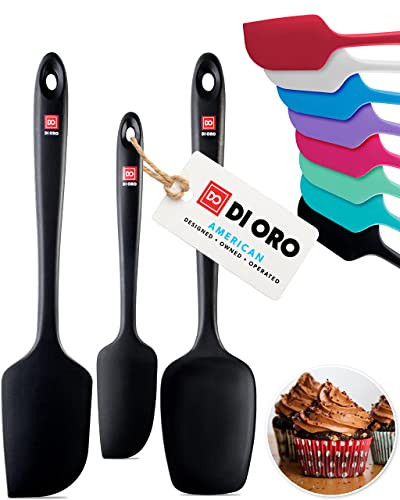
• Traditional Presentation: Serve directly from the baking dish, cutting slices with a spatula, and garnish with fresh basil.
• Individual Portions: Use small ramekins to bake single servings, perfect for portion control and presentation.
• Layered Plating: Plate pieces on a large platter, fanning them slightly for an elegant look.
• Gourmet Touch: Drizzle with a balsamic reduction and sprinkle with microgreens for a restaurant-quality appearance.



Conclusion
Crafting The Ultimate Classic Lasagna from scratch is a rewarding culinary experience.
With its rich layers and harmonious flavors, this dish is sure to become a family favorite.
Follow these steps and tips to create a lasagna that rivals any Italian restaurant's offering.