


This classic Extra Cheesy Lasagna brings together the comfort of home-cooked meals with an indulgent twist perfect for cheese lovers.
The harmonious blend of mozzarella, ricotta, and parmesan creates a memorable dining experience that will have everyone asking for your secret.
I discovered this recipe during my travels through Italy, where local chefs have perfected it through generations of careful refinement.
Whether you’re preparing a casual family dinner or hosting a special celebration, this lasagna delivers impressive results with straightforward preparation.
The layers of gooey cheese and rich meat sauce make this dish irresistible to anyone who craves hearty Italian flavors.
The History and Cultural Significance
• Extra Cheesy Lasagna traces its origins to Southern Italy, where it was originally created by layering fresh pasta with cheese and meats.
• The dish evolved over decades as cheeses like mozzarella and ricotta were incorporated, eventually becoming the beloved version we know today.
• In Italian culture, this dish traditionally appears at family gatherings and festive celebrations, symbolizing abundance and hospitality.
• While many variations exist across different regions, the authentic version maintains its signature cheesy layers that set it apart from imitations.
Recipe Overview
Nutritional Information (per serving)
Essential Equipment Guide
Baking Dish: Using a ceramic or glass baking dish is important for even heat distribution, ensuring that the lasagna cooks uniformly. Alternatives include metal pans, but they may cook the edges too quickly.
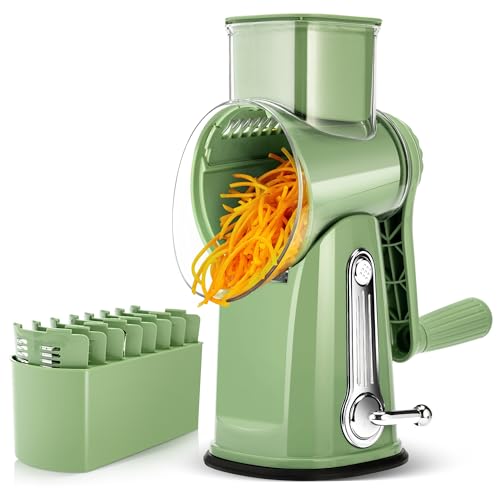
Cheese Grater: A high-quality cheese grater is crucial for achieving the perfect texture in your cheese layers. A box grater or a microplane can be used as alternatives, but ensure they have different size options for variety.
Large Pot: A large pot is essential for boiling the lasagna noodles efficiently. Look for one with a heavy bottom to prevent sticking. A stockpot can serve as an alternative.




Ingredients
For the Base
|
|
| Amount | Ingredient | Notes |
|---|---|---|
| 12 pieces | lasagna noodles | cooked al dente |
For the Cheese Layer
| Amount | Ingredient | Notes |
|---|---|---|
| 2 cups | mozzarella cheese | shredded, for layering |
| 1 cup | ricotta cheese | adds creaminess |
| 1/2 cup | parmesan cheese | grated, for sharpness |
For the Sauce
| Amount | Ingredient | Notes |
|---|---|---|
| 1 pound | ground beef | browned, for meaty depth |
| 1 large | onion | finely chopped |
| 4 cloves | garlic | minced |
| 2 cans | tomato sauce | smooth and rich |
Seasonings
| Amount | Ingredient | Notes |
|---|---|---|
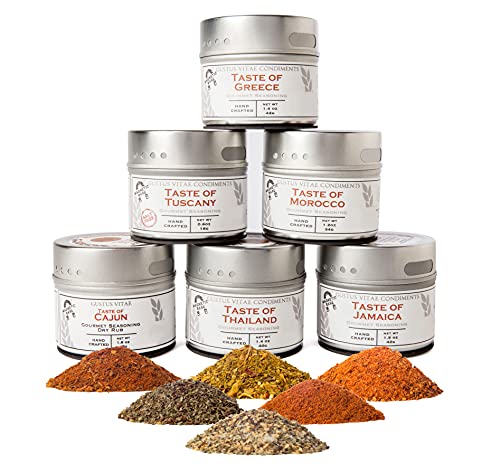
| 1 teaspoon | dried oregano | earthy flavor |
| 1 teaspoon | dried basil | sweet aroma |
| 1 teaspoon | salt | enhances flavors |




Preparation Methods
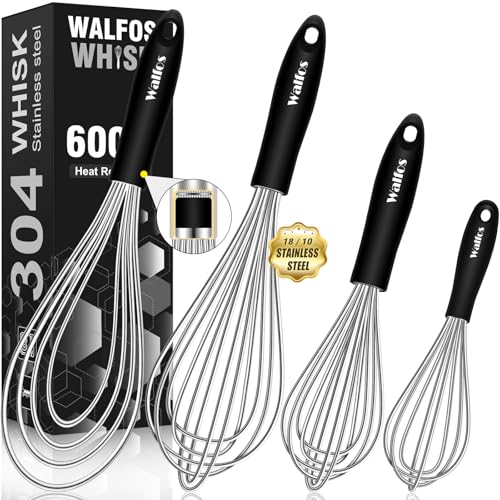
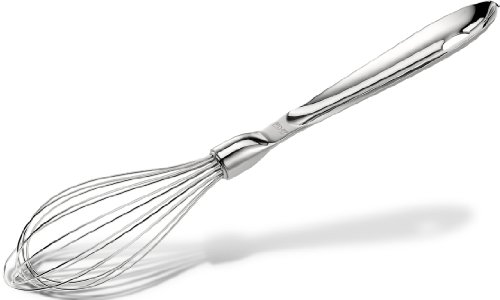
Bechamel Sauce Preparation: This technique involves creating a creamy white sauce by melting butter, stirring in flour, and gradually whisking in milk. It adds a smooth, rich texture, crucial for this lasagna's distinctive layers.
Layering Technique: Proper layering starts with a thin layer of sauce in the dish, followed by noodles, cheese, and then more sauce. This method ensures even distribution of flavors and prevents dryness.
Cheese Melting: Achieving the perfect cheese melt involves using a combination of cheeses with different melting points. Mozzarella provides stretch, while parmesan offers a crispy top.


Step 1: Prepare Ingredients
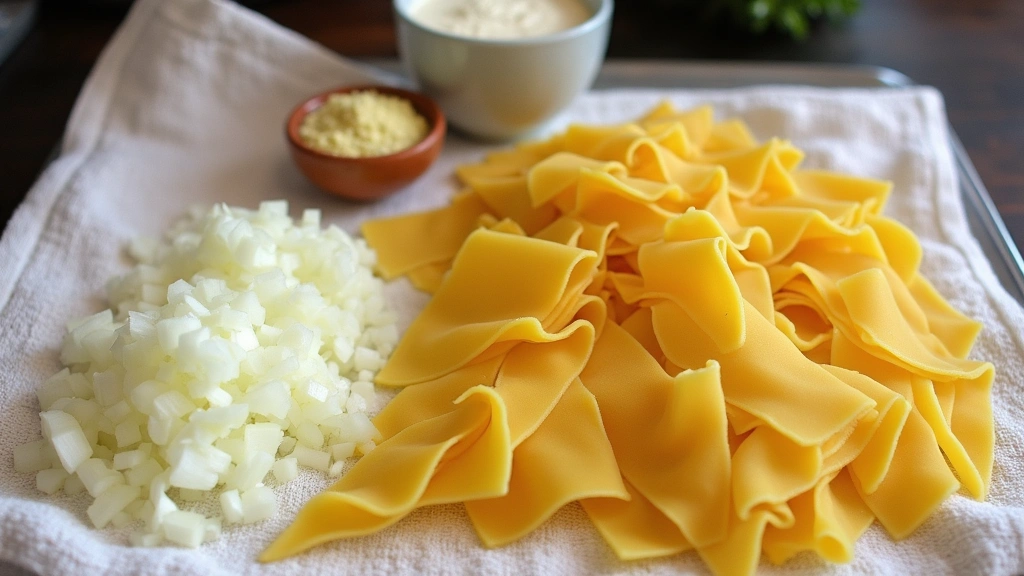
Gather all ingredients and ensure they are at room temperature.
Cook lasagna noodles according to package instructions until al dente.
Drain them and lay flat on a towel to prevent sticking.
Chop onions and mince garlic in preparation for the sauce.


Step 2: Cook Meat Sauce
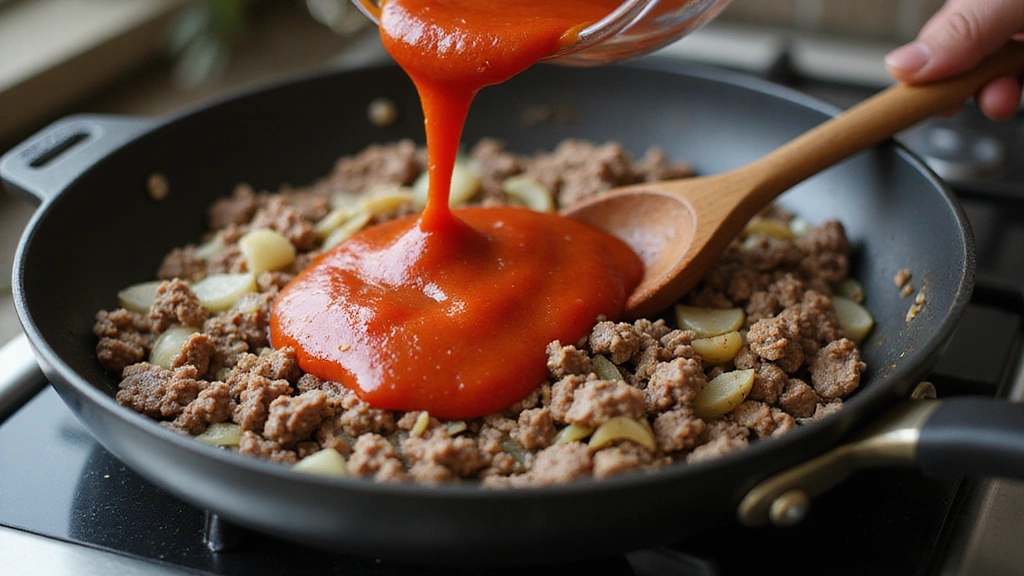
Heat a large skillet over medium heat and add ground beef.
Cook until browned, breaking it apart with a wooden spoon.
Add chopped onions and minced garlic, stirring until onions are translucent.
Pour in the tomato sauce and add oregano, basil, and salt, letting it simmer for 15 minutes.
Step 3: Prepare Cheese Mixture
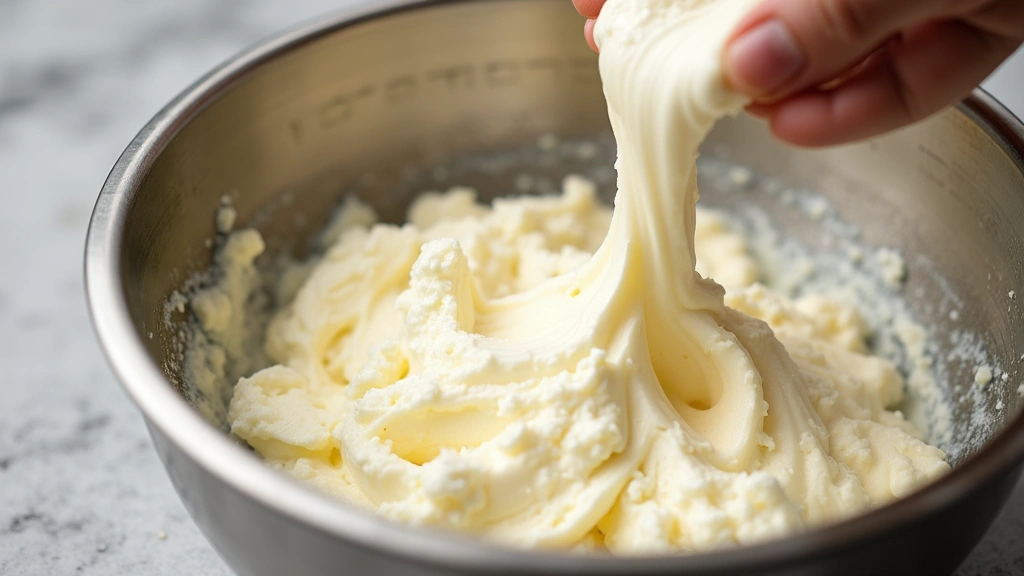
In a mixing bowl, combine ricotta cheese with half of the mozzarella and parmesan.
Stir until evenly mixed to create a smooth consistency.
This mixture will form the creamy layers within the lasagna.
Set aside for assembly.



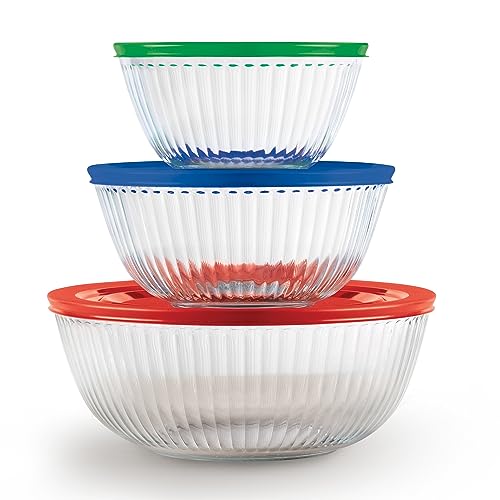

Step 4: Preheat Oven
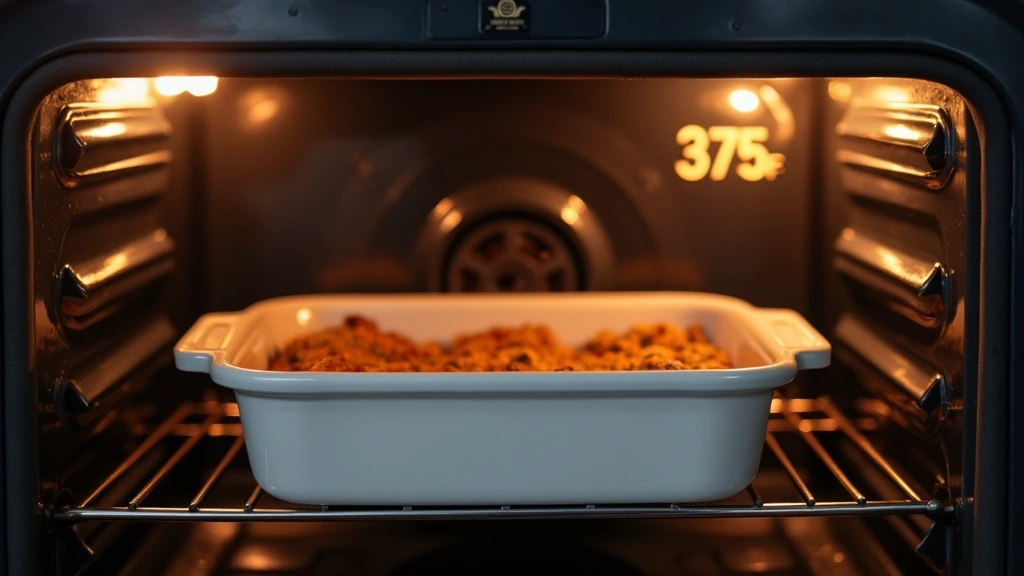
Preheat your oven to 375°F (190°C) for optimal baking.
Ensure the oven rack is positioned in the middle for even heat.
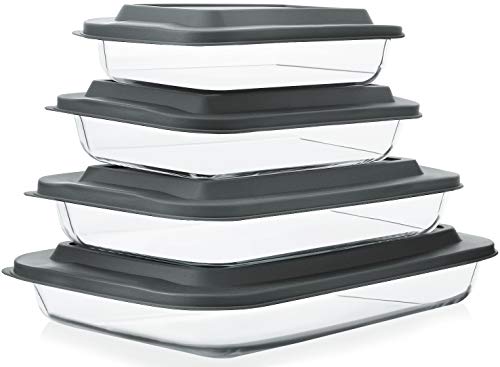
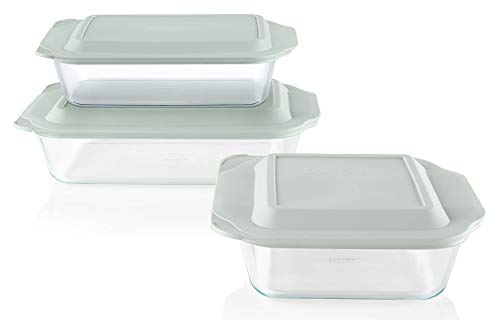
Prepare a baking dish by lightly greasing it with olive oil.
This step ensures easy removal and prevents sticking.




Step 5: Assemble Lasagna Layers
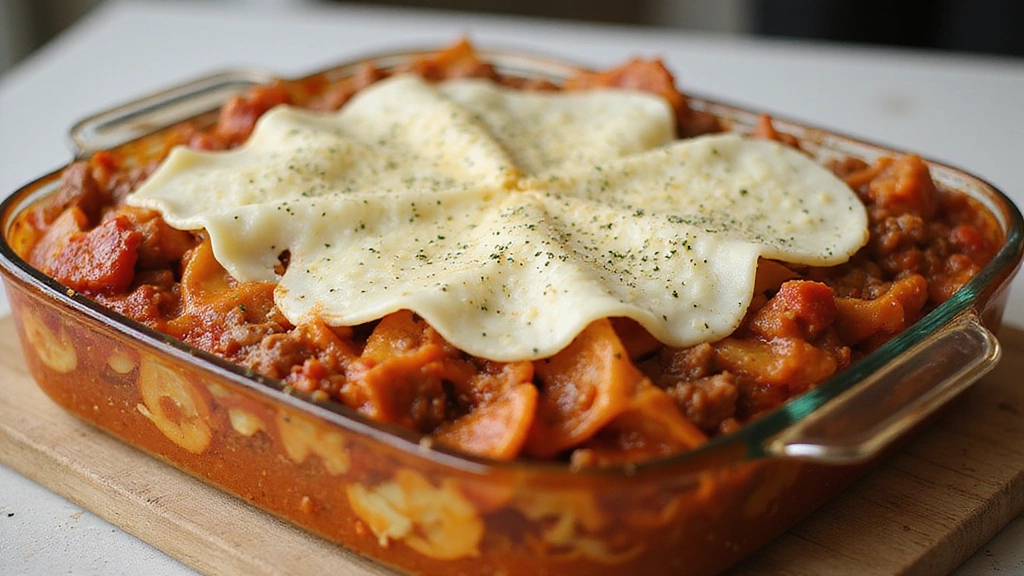
Begin with a layer of meat sauce spread thinly at the bottom of the baking dish.
Place lasagna noodles over the sauce, followed by a layer of the cheese mixture.
Repeat the process, layering noodles, sauce, and cheese until all ingredients are used.
Finish with a top layer of mozzarella and parmesan for a golden crust.
Step 6: Bake Lasagna
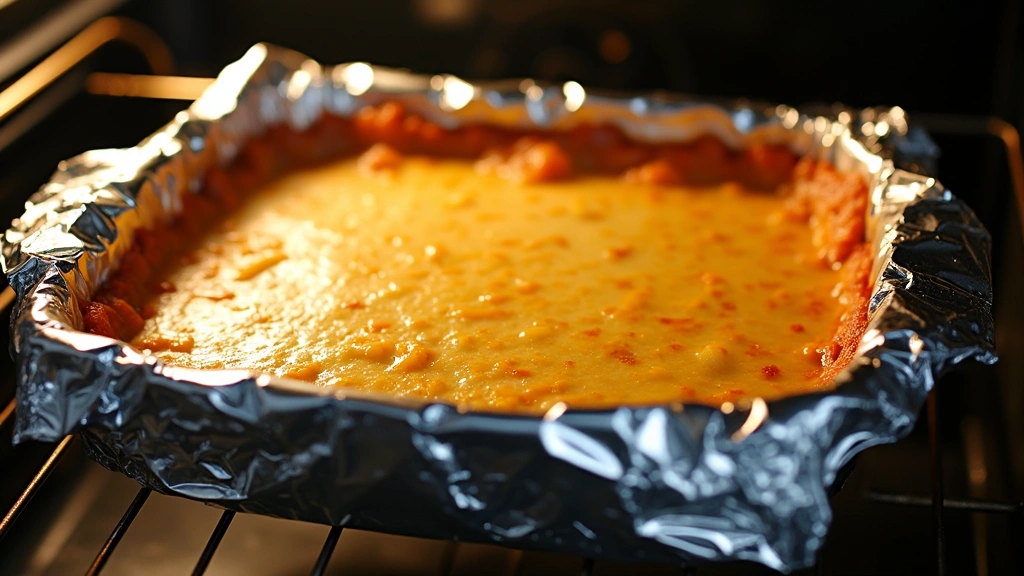
Cover the baking dish with aluminum foil to trap moisture.
Place it in the preheated oven and bake for 45 minutes.
Remove the foil for the last 15 minutes to allow the cheese to brown.
Check for bubbling edges and a golden-brown top as signs of doneness.
Step 7: Let Lasagna Rest
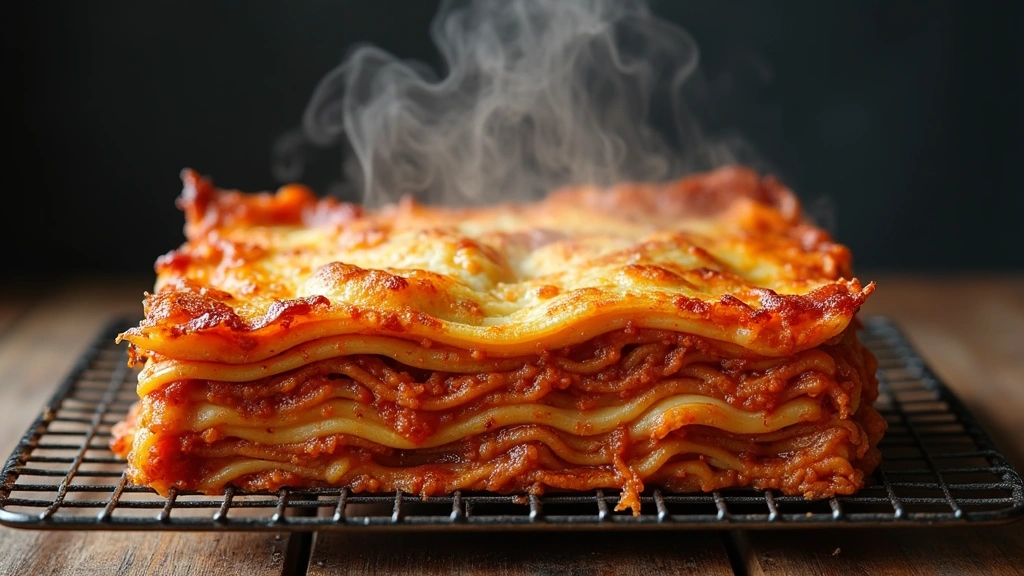
Remove the lasagna from the oven and place it on a cooling rack.
Allow it to rest for 10-15 minutes to set.
This resting time helps the layers hold together when serving.
Avoid cutting into it immediately to prevent a runny texture.
Step 8: Serve and Enjoy
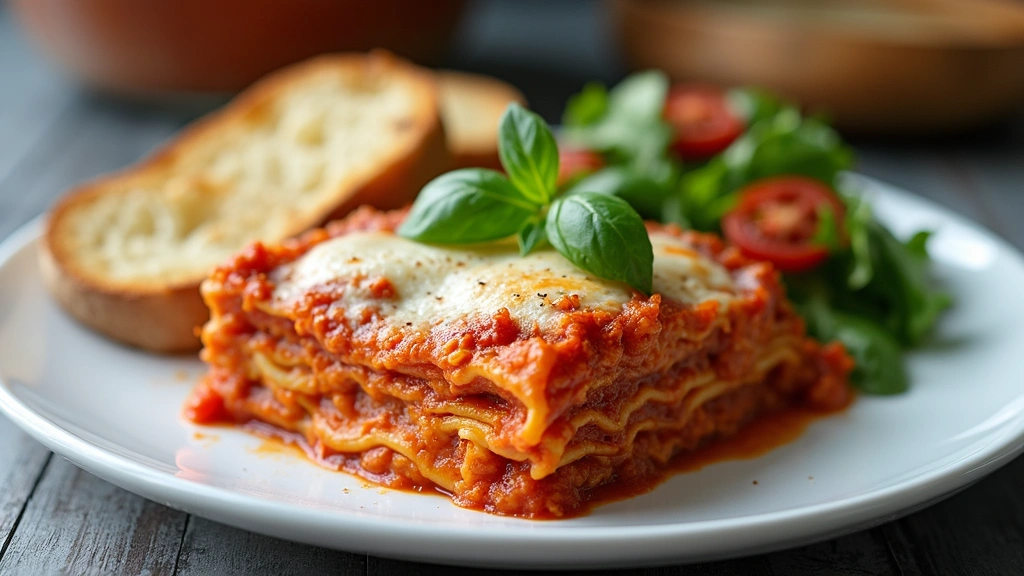
Use a sharp knife to cut the lasagna into even portions.
Carefully lift each piece with a spatula, ensuring layers remain intact.
Serve hot, garnished with fresh basil or parsley for color.
Pair with a side salad or garlic bread for a complete meal.




Critical Timing and Temperature Guide
Cooking Noodles: Boil for exactly 8 minutes or until al dente. Overcooking will result in soggy layers.
Baking Lasagna: Bake covered at 375°F for 45 minutes, uncover for the last 15 minutes. Look for bubbling edges and a golden top.
Resting Period: Allow the lasagna to rest for at least 10-15 minutes before cutting. This helps the layers set and prevents a runny texture.
Pro Tips for Extra Cheesy Lasagna
• Ingredient Selection: Choose high-quality mozzarella and ricotta for a creamy and flavorful result. Freshly grated parmesan enhances the dish's sharpness.
• Preparation Secret: Adding a touch of nutmeg to the cheese mixture can enhance the dish's flavor profile without overpowering it.
• Temperature Management: Ensure all ingredients, especially cheeses, are at room temperature for even melting and incorporation.
• Texture Enhancement: Alternating between thin and thick layers of sauce and cheese creates a balanced bite and prevents dryness.
• Flavor Layering: Sautéing garlic with onions in the meat sauce builds a savory base that enhances the overall taste.
• Make-Ahead Strategies: Assemble the lasagna a day in advance and refrigerate. This allows flavors to meld and improves the dish's texture.
• Restaurant-Quality Finishing Touches: Top with a sprinkle of fresh herbs before serving for a burst of color and freshness.
• Equipment Optimization: Use a large, sharp knife for clean cuts to maintain the integrity of each slice.


Troubleshooting Common Issues
• Texture Too Dense: Caused by overcooking noodles or using too little sauce. Ensure noodles are al dente and sauce is ample.
• Flavors Unbalanced: If the sauce is too acidic, add a pinch of sugar to mellow the flavors.
• Cheese Not Melting Properly: Ensure cheese is at room temperature before layering. This aids even melting.
• Watery Lasagna: Excess moisture can be from sauce. Simmer sauce longer to thicken or use less watery tomatoes.
• Burnt Edges: Cover with foil during initial baking. Remove only for the last 15 minutes to brown the top.
• Layers Slipping Apart: Let the lasagna rest before slicing. This helps the layers set and hold together.
Variations and Regional Differences
• Northern Italian Style: Uses béchamel sauce instead of ricotta for a creamier texture. Typically includes spinach for added flavor.
• Vegetarian Lasagna: Replaces meat with roasted vegetables like zucchini and eggplant, and often includes a pesto layer.
• Seafood Lasagna: Incorporates seafood such as shrimp and crab with a white wine cream sauce.
• Mexican Lasagna: Uses corn tortillas instead of pasta, with a filling of ground beef, beans, and spicy cheese sauce.
Food Science Behind the Recipe
• Maillard Reaction: This chemical reaction occurs when cheese browns under heat, enhancing flavor and providing a crispy texture.
• Starch Gelatinization: As noodles cook, their starches absorb water and swell, giving structure to the lasagna layers.
• Emulsification: The process of blending cheese with other ingredients creates a smooth, cohesive sauce that binds the layers together.
Frequently Asked Questions
What's the most common mistake people make when preparing Extra Cheesy Lasagna? Overcooking the noodles is a frequent error, leading to a mushy texture. Always aim for al dente.
Can I make this lasagna gluten-free? Yes, simply substitute regular lasagna noodles with gluten-free alternatives available at most grocery stores.
How can I store leftover lasagna? Store in an airtight container in the refrigerator for up to four days, or freeze for longer storage.
How do I prevent my lasagna from being watery? Be sure to use a thick sauce and drain any excess liquid from the ricotta cheese mixture.
Is it necessary to pre-cook the noodles? Pre-cooking ensures the noodles achieve the proper texture, but no-boil noodles can be used as a convenient alternative.
Can I add more vegetables to this recipe? Absolutely! Vegetables like mushrooms, spinach, and zucchini can be added for extra nutrition and flavor.
What type of wine pairs well with lasagna? A robust red wine like Chianti or Barbera complements the rich flavors of the lasagna beautifully.
How can I reduce the calorie content of this dish? Opt for low-fat cheese and ground turkey instead of beef to make a lighter version.
Serving and Presentation Guide
• Traditional Presentation: Serve lasagna directly from the baking dish at the table, allowing guests to appreciate the bubbling cheese and aroma.
• Individual Portions: Pre-slice the lasagna and serve it on individual plates with a sprig of fresh basil for elegance.
• Family-Style Platter: Arrange slices on a large platter, garnished with parsley and surrounded by side dishes like salad and bread.
• Gourmet Style: Cut into smaller, square portions and stack them for a refined, layered presentation with a drizzle of balsamic glaze.
Conclusion
This Extra Cheesy Lasagna is a celebration of rich flavors and comforting textures, crafted to delight cheese enthusiasts.
With its straightforward preparation and irresistible taste, it’s sure to become a favorite in your recipe collection.
Don’t hesitate to share this dish with loved ones, creating memorable meals and cherished gatherings.