


The Cheese Lasagna Recipe with Triple Cheese Goodness is a delightful fusion of rich flavors and comforting textures.
This dish combines the creamy, tangy, and savory notes of three different cheeses, creating a symphony for the senses.
I first encountered this version of lasagna at a quaint Italian family gathering during a chilly autumn evening, where it was the star of the meal.
Its layered goodness and gooey, melted cheese make it irresistible, perfect for both casual family dinners and special celebrations.
Whether you’re a cheese lover or simply enjoy Italian cuisine, this recipe promises a satisfying and memorable dining experience.
Get ready to impress your guests with this straightforward yet impressive dish that brings Italian tradition to your table.
The History and Cultural Significance
• Cheese Lasagna Recipe traces its origins to Ancient Rome, where it was originally created by layering flat sheets of pasta with cheese and meat.
• The dish evolved over decades as tomatoes and béchamel sauce were added, eventually becoming the beloved version we know today.
• In Italian culture, this dish traditionally appears at family gatherings and celebrations, symbolizing unity and comfort.
• While many variations exist across different regions, the authentic version maintains the use of rich cheeses and robust tomato sauce that sets it apart from imitations.


Recipe Overview
Nutritional Information (per serving)
Essential Equipment Guide
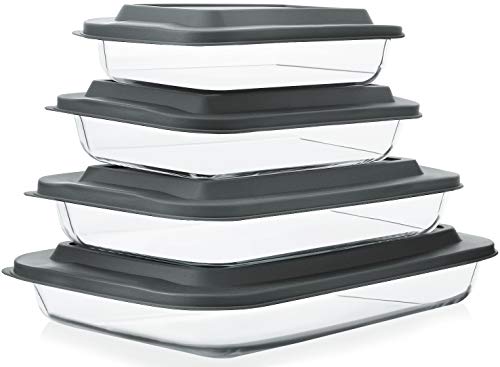
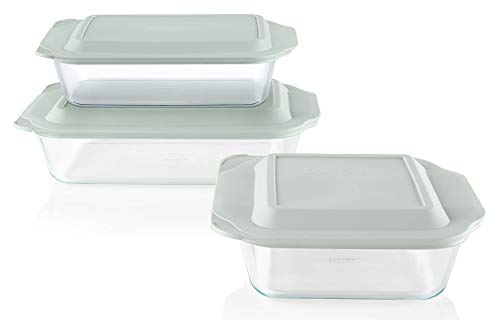
Baking Dish: A high-quality baking dish is essential for even heat distribution, ensuring your lasagna cooks uniformly. Look for a heavy glass or ceramic dish, as they retain heat well and provide a lovely presentation.
Cheese Grater: Freshly grated cheese melts better and has more flavor than pre-packaged varieties. A sturdy cheese grater with multiple grating options is ideal.
Large Saucepan: A large saucepan is crucial for preparing the sauce, allowing ample space to mix ingredients without spillage. Non-stick options help prevent sticking, ensuring an even sauce consistency.


Ingredients
For the Base
|
|
| Amount | Ingredient | Notes |
|---|---|---|
| 12 sheets | lasagna noodles | pre-cooked or no-boil |
For the Sauce
| Amount | Ingredient | Notes |
|---|---|---|
| 2 tablespoons | olive oil | adds richness |
| 1 large | onion | finely chopped |
| 3 cloves | garlic | minced |
| 1 pound | ground beef | lean, for flavor |
| 24 ounces | tomato sauce | smooth texture |
Cheeses
| Amount | Ingredient | Notes |
|---|---|---|
| 1 cup | ricotta cheese | creamy base |
| 2 cups | mozzarella cheese | shredded, for melting |
| 1 cup | Parmesan cheese | grated, for sharpness |
Seasonings
| Amount | Ingredient | Notes |
|---|---|---|
| 1 teaspoon | dried oregano | herbal aroma |
| 1 teaspoon | dried basil | adds depth |
| 1 teaspoon | salt | enhances flavor |
| 0.5 teaspoon | black pepper | for heat |


Preparation Methods
Layering: Layering is the key to a perfect lasagna. Start with a thin layer of sauce to prevent sticking, followed by noodles, cheese, and repeat. Ensures even flavor distribution.
Sautéing: Sautéing the onions and garlic before adding the meat helps develop a deep, rich flavor base. Cook until translucent to avoid bitterness.
Baking: Baking at the right temperature ensures the lasagna cooks through without burning. Cover with foil initially to prevent the top from browning too quickly, then uncover for a golden finish.
![Good Housekeeping Illustrated Cookbook [Hardcover]](https://m.media-amazon.com/images/I/61a4+r5wTIL._SL500_.jpg)


Step 1: Prepare Ingredients
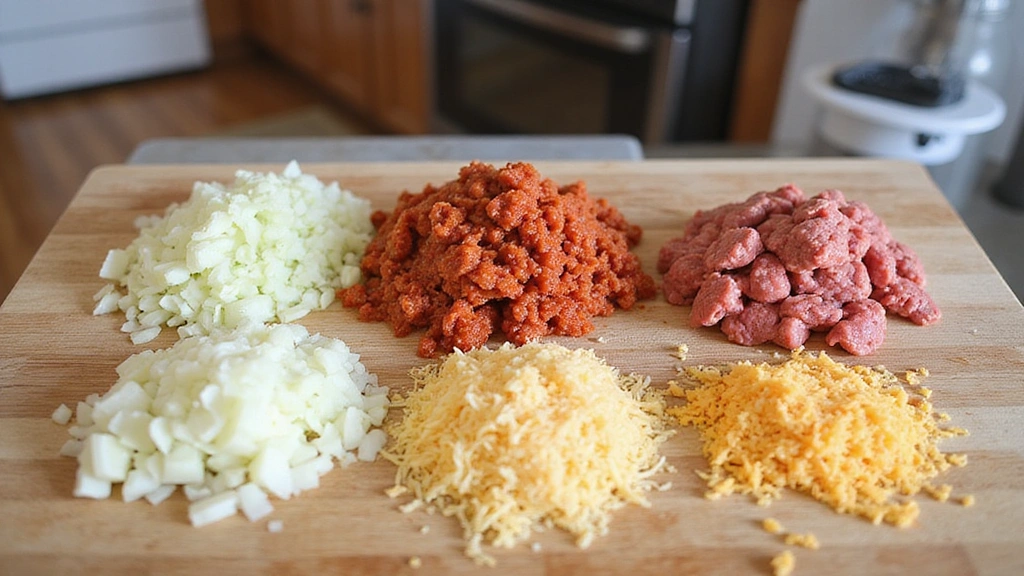
Gather all ingredients and equipment.
Preheat your oven to 375°F (190°C).
Ensure all vegetables are chopped and cheeses are grated.
Organize ingredients for easy access during cooking.
Step 2: Cook the Sauce
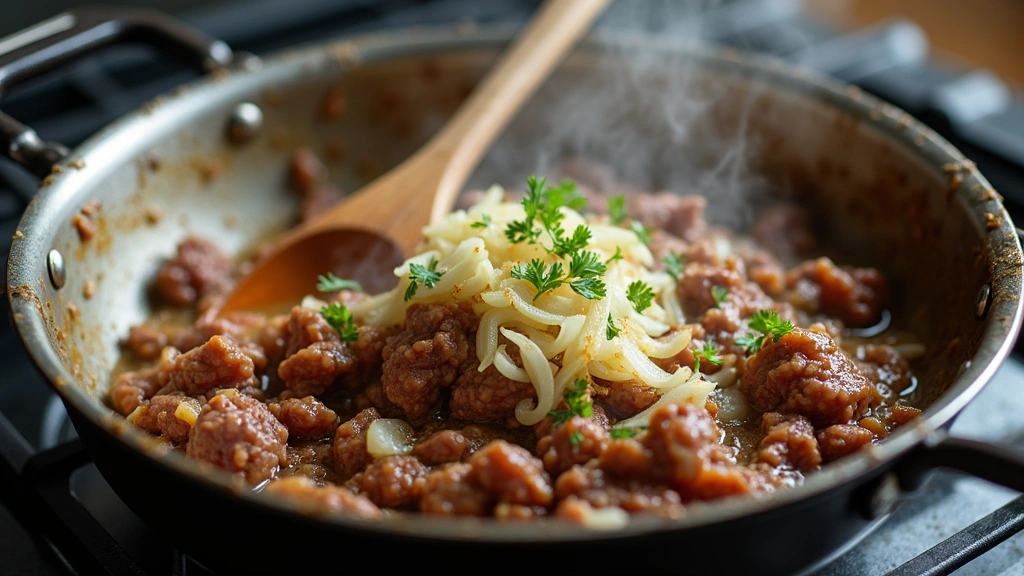
Heat olive oil in a large saucepan over medium heat.
Add onions and garlic, sauté until onions are translucent.
Stir in ground beef, cooking until browned and cooked through.
Pour in tomato sauce, adding oregano, basil, salt, and pepper, and let simmer for 15 minutes.



Step 3: Assemble the Lasagna
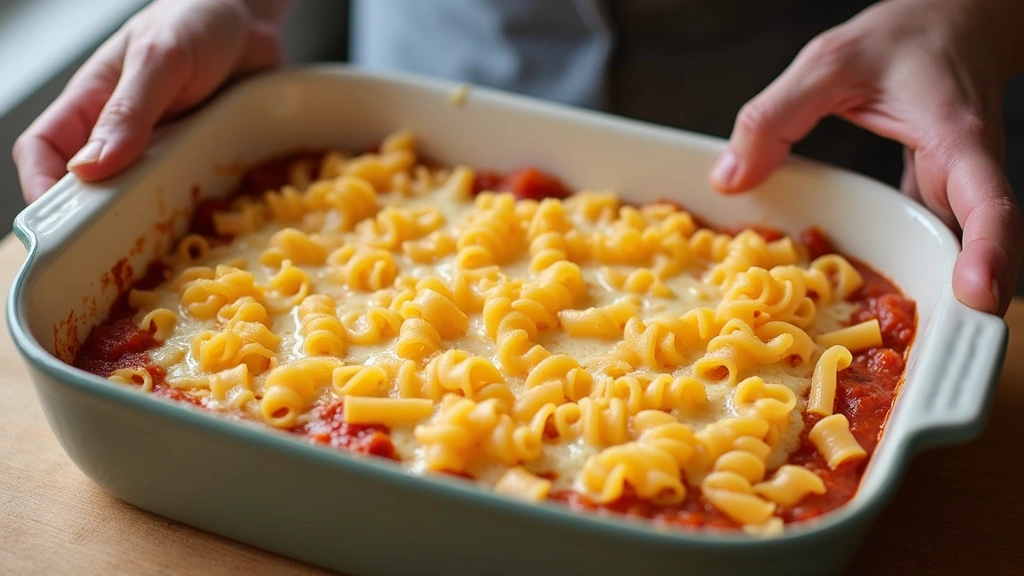
Spread a thin layer of sauce on the bottom of a baking dish.
Place a layer of lasagna noodles over the sauce.
Add a layer of ricotta cheese, followed by mozzarella and Parmesan.
Repeat the layers, finishing with a top layer of mozzarella and Parmesan.



Step 4: Cover and Bake
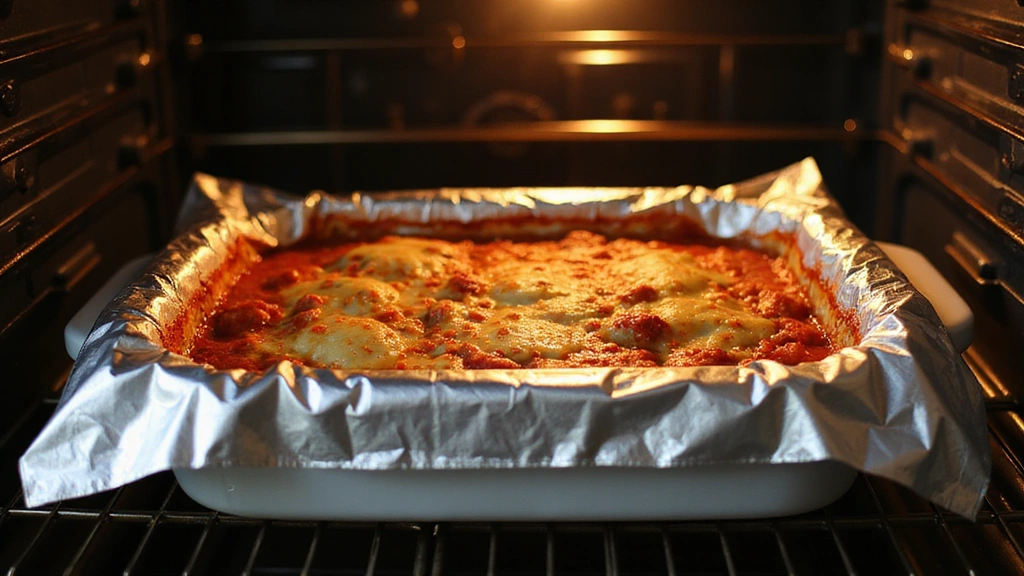
Cover the lasagna with aluminum foil to prevent the top from burning.
Place the dish in the preheated oven.
Bake for 40 minutes to allow flavors to meld together.
Check for bubbling sauce and melted cheese as a sign of doneness.
Step 5: Uncover for Browning
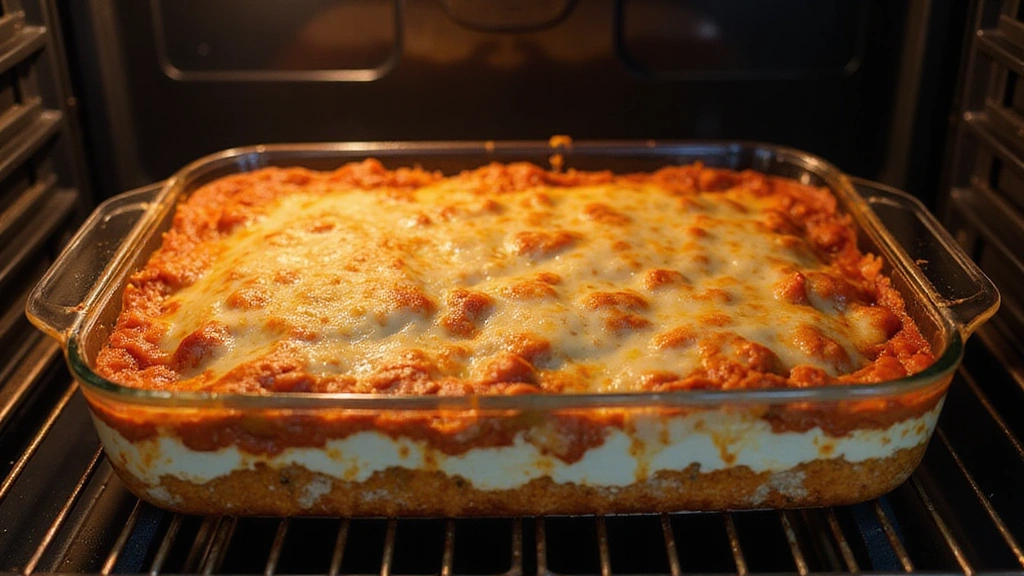
Remove the foil from the lasagna dish.
Increase oven temperature to 400°F (200°C).
Bake for an additional 10-15 minutes.
Look for a golden-brown top as an indicator of readiness.
Step 6: Rest Before Serving
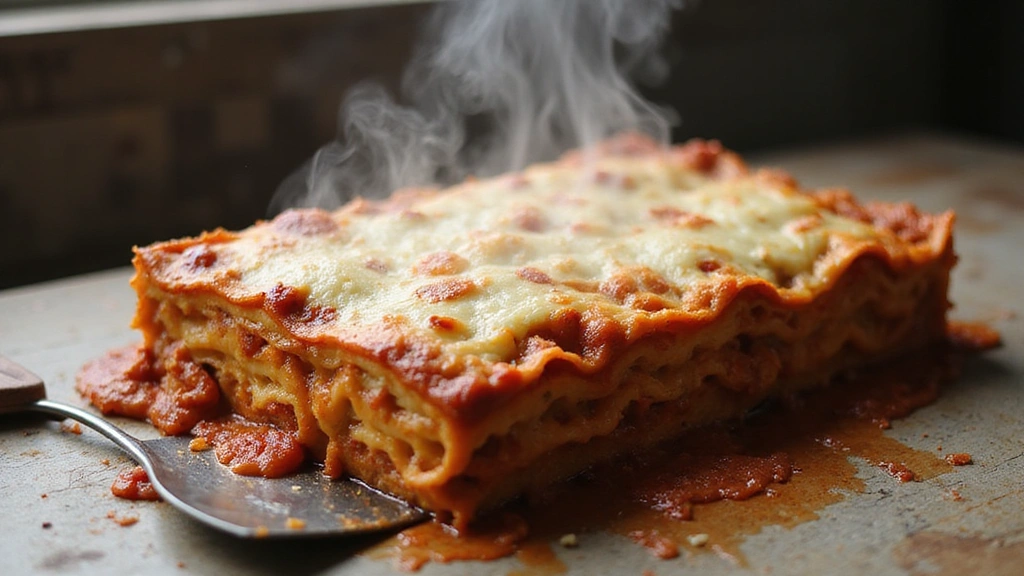
Remove lasagna from the oven carefully.
Allow it to rest for at least 15 minutes before serving.
This resting time helps the layers set and makes slicing easier.
Check for firmness before cutting into portions.
Critical Timing and Temperature Guide
Sauce Simmering: Simmer sauce for at least 15 minutes at medium heat, stirring occasionally to prevent sticking and burning. Ensure it thickens slightly for the right consistency.
Initial Baking: Bake covered at 375°F (190°C) for 40 minutes. Sauce should bubble gently. Avoid opening the oven too often to maintain even heat.
Final Browning: Increase to 400°F (200°C) and bake uncovered for 10-15 minutes. Look for golden-brown cheese. Overbaking can dry out the lasagna.
Pro Tips for Cheese Lasagna Recipe
• Ingredient Selection: Use high-quality, authentic cheeses like fresh mozzarella and Parmigiano-Reggiano for the best flavor profile.
• Preparation Secret: Layer a small amount of sauce directly under the noodles to prevent sticking and enhance flavor absorption.
• Temperature Management: Ensure all ingredients are at room temperature before assembling for even cooking.
• Texture Enhancement: Allow lasagna to rest before cutting to help layers hold together and improve texture.
• Flavor Layering: Add fresh herbs like basil and oregano between layers to build complex flavors.
• Make-Ahead Strategies: Prepare lasagna a day ahead and refrigerate. This allows flavors to meld and saves time on the day of serving.
• Restaurant-Quality Finishing Touches: Garnish with fresh basil leaves and a drizzle of olive oil before serving for a professional touch.
• Equipment Optimization: Use a sharp knife for clean slices and a wide spatula for easy serving.




Troubleshooting Common Issues
• Texture Too Dense: Caused by overpacking layers or not enough sauce. Ensure even layers and adequate sauce between noodles.
• Flavors Unbalanced: Results from uneven seasoning. Taste sauce before assembly and adjust herbs and salt.
• Cheese Not Melting: Stems from using pre-shredded cheese. Use freshly grated cheese for better melting.
• Noodles Undercooked: Occurs if noodles are not fully covered with sauce. Ensure each noodle is adequately submerged in sauce.
• Dry Lasagna: Caused by insufficient sauce or overbaking. Use a generous amount of sauce and avoid overbaking.





Variations and Regional Differences
• Neapolitan Style: Features a meatless version that focuses on ricotta and mozzarella cheeses, often with a tomato-based sauce.
• Emilian Style: Incorporates a rich béchamel sauce and sometimes includes spinach in the layers for added texture and flavor.
• American Style: Often includes more cheese, especially ricotta, and uses ground beef or sausage for a heartier dish.
• Vegetarian Variation: Uses layers of roasted vegetables such as zucchini, eggplant, and mushrooms to replace meat.
Food Science Behind the Recipe
• Emulsification: The cheese and sauce blend through emulsification, which stabilizes the mixture and prevents separation.
• Maillard Reaction: Browning of cheese involves the Maillard reaction, enhancing flavor and creating a desirable crust.
• Gelatinization: Starch in the pasta absorbs moisture and swells during baking, resulting in perfectly cooked noodles.
• Heat Transfer: Proper baking dish choice ensures even heat distribution for uniform cooking of all layers.

Frequently Asked Questions
What's the most common mistake people make when preparing Cheese Lasagna? Overbaking is a common mistake. It can dry out the lasagna, so it's crucial to follow baking times closely.
Can I freeze Cheese Lasagna? Yes, lasagna can be frozen either before or after baking. Ensure it's well-wrapped to prevent freezer burn.
How do I prevent my lasagna from being watery? Use thick sauce and ensure noodles are well-drained if pre-cooked. Avoid excess moisture from vegetables.
What's the best way to reheat lasagna? Reheat in an oven at 350°F (175°C) until heated through. Cover with foil to prevent drying.
Can I use different cheeses? Yes, you can experiment with cheeses like provolone or fontina, but maintain a balance of flavors.
Is there a gluten-free version? Yes, substitute regular noodles with gluten-free lasagna noodles available in most supermarkets.
How far in advance can I prepare the lasagna? You can assemble the lasagna up to 24 hours in advance and refrigerate it before baking.
Serving and Presentation Guide
• Traditional Presentation: Serve in the dish used for baking and cut into neat squares for a classic family-style presentation.
• Individual Portions: Plate individual portions with a garnish of fresh basil or parsley for a more elegant presentation.
• Buffet Style: Arrange slices on a large platter, slightly overlapping, for easy serving at gatherings.
• Layered Look: Serve on white plates to highlight the vibrant layers and colors of the lasagna.
Conclusion
Now that you've mastered the art of Cheese Lasagna with Triple Cheese Goodness, you're ready to delight family and friends.
The rich blend of cheeses and savory sauce promises a meal filled with warmth and satisfaction.
Enjoy the process of bringing this Italian classic to your table, knowing it will be a hit with everyone.
Happy cooking and buon appetito!