

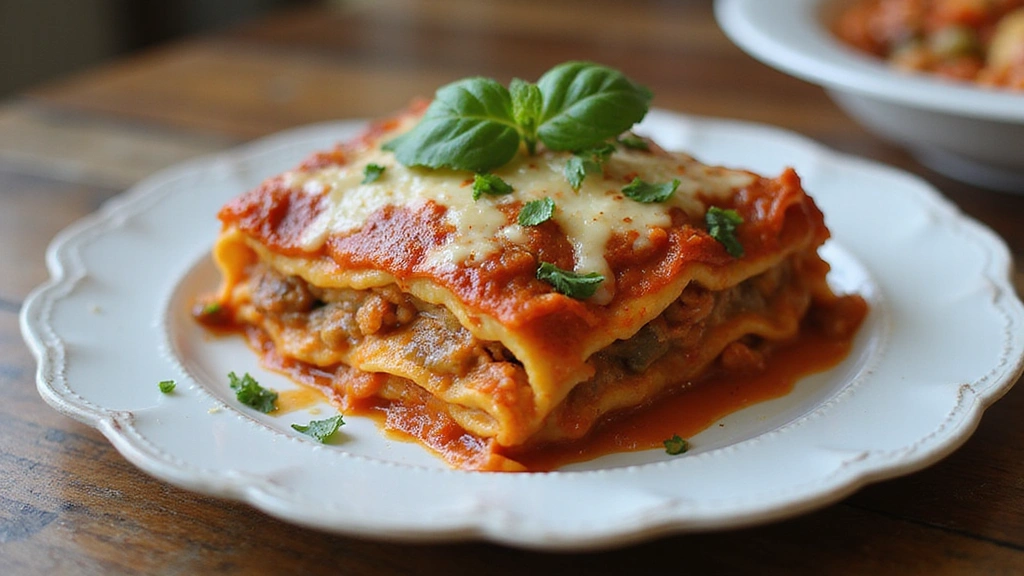
This classic Italian Lasagna brings together centuries of culinary tradition with modern techniques to create a dish that’s both comforting and elegant.
The harmonious balance of rich tomato sauce, creamy béchamel, and perfectly seasoned beef creates a memorable dining experience that will have everyone asking for your secret.
I discovered this recipe during my travels through Emilia-Romagna, where local chefs have perfected it through generations of careful refinement.
Whether you’re preparing a casual family dinner or hosting a special celebration, this lasagna delivers impressive results with straightforward preparation.
The History and Cultural Significance
• Best Italian Lasagna traces its origins to ancient Rome, where it was originally created by chefs experimenting with pasta dishes.
• The dish evolved over decades as new ingredients like tomatoes and cheese were introduced, eventually becoming the beloved version we know today.
• In Italy, this dish traditionally appears at family gatherings and holidays, symbolizing warmth and togetherness.
• While many variations exist across different regions, the authentic version maintains a rich, layered composition that sets it apart from imitations.
Recipe Overview
Nutritional Information (per serving)
Essential Equipment Guide
Baking Dish: A quality ceramic or glass baking dish is crucial for even cooking and maintaining the lasagna’s structure. Alternatives like metal pans can work but may affect the browning. Look for a dish that’s at least 9×13 inches.
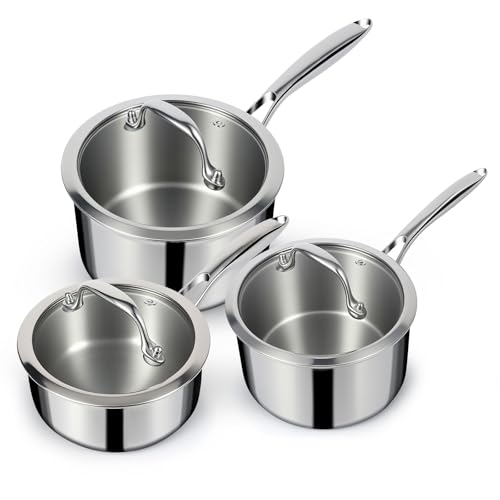
Large Saucepan: Necessary for preparing the meat sauce and béchamel to the right consistency. A heavy-bottomed pan prevents sticking and scorching. Consider a pan with a lid for simmering.
Sharp Knife: Essential for finely chopping vegetables and slicing the lasagna neatly. A chef’s knife is ideal, but a well-honed utility knife can also suffice.




Ingredients
For the Meat Sauce
|
|
| Amount | Ingredient | Notes |
|---|---|---|
| 1 tablespoon | olive oil | adds richness |
| 1 pound | ground beef | lean |
| 1 medium | onion | finely chopped |
| 2 cloves | garlic | minced |
| 1 can (28 oz) | crushed tomatoes | adds acidity |
| 2 tablespoons | tomato paste | deepens flavor |
| 1 teaspoon | dried oregano | adds aroma |
| 1 teaspoon | dried basil | adds flavor |
| 1 teaspoon | salt | enhances flavor |
| 1/2 teaspoon | black pepper | adds spice |
For the Béchamel Sauce
| Amount | Ingredient | Notes |
|---|---|---|
| 4 tablespoons | butter | unsalted |
| 4 tablespoons | all-purpose flour | creates roux |
| 3 cups | milk | whole, for creaminess |
| 1/4 teaspoon | nutmeg | adds warmth |
Lasagna Assembly
| Amount | Ingredient | Notes |
|---|---|---|
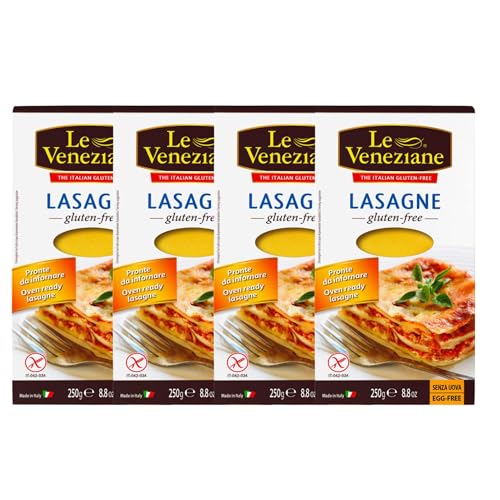
| 9 sheets | lasagna noodles | pre-cooked |
| 2 cups | mozzarella cheese | shredded |
| 1 cup | parmesan cheese | grated |


Preparation Methods
Mise en Place: This French technique means "everything in its place." Before starting the recipe, gather and prepare all your ingredients and equipment. It ensures a smooth cooking process and prevents missing any steps.
Simmering: A gentle cooking method important for developing the flavors in the meat sauce. Keep the heat low, so the sauce thickens slowly without burning.
Layering: This technique requires precision to ensure even distribution of ingredients. Start with a thin layer of sauce, follow with noodles, then béchamel, and repeat. This creates the signature layers and textures.


Step-by-Step Cooking Instructions
{
"title": "Step 2: Cook Meat Sauce",
"description": "Heat olive oil in a large saucepan over medium heat.
Add onions and garlic, sauté until onions are translucent.
Stir in ground beef, cooking until browned and crumbled.
Add crushed tomatoes, tomato paste, oregano, basil, salt, and pepper, then simmer for 30 minutes.",
"image_prompt": "A saucepan on the stove with ground beef being browned, surrounded by chopped onions and garlic, with cans of crushed tomatoes nearby."}


Critical Timing and Temperature Guide
Sauce Simmering: Simmer the meat sauce for at least 30 minutes at a low heat. Look for a thick, rich consistency and avoid burning by stirring occasionally.
Baking: Bake lasagna at 375°F (190°C) for 40 minutes covered, then 15-20 minutes uncovered. Ensure cheese is golden and bubbly to avoid undercooking.
Resting: Allow lasagna to rest for 10-15 minutes after baking. This helps set the layers and prevents a runny texture when sliced.


Pro Tips for Best Italian Lasagna
• Ingredient Selection: Choose high-quality tomatoes and fresh mozzarella for the richest flavor and best texture in your lasagna.
• Preparation Secret: Let the béchamel cool slightly before layering; this prevents the layers from sliding.
• Temperature Management: Use ingredients at room temperature for even cooking and better integration.
• Texture Enhancement: For a perfect al dente texture, slightly undercook the lasagna noodles before assembly.
• Flavor Layering: Sauté garlic and onions until deeply caramelized to add a sweet, complex flavor to the sauce.
• Make-Ahead Strategies: Prepare the meat sauce and béchamel a day in advance, storing in the refrigerator, to enhance flavors.
• Restaurant-Quality Finishing Touches: Sprinkle fresh herbs and a drizzle of olive oil on top before serving to enhance aroma and presentation.
• Equipment Optimization: Use a glass or ceramic dish for even heat distribution and a perfectly cooked lasagna.
Troubleshooting Common Issues
• Texture Too Dense: Overcooked noodles can cause a dense texture. Ensure noodles are slightly undercooked before assembly.
• Flavors Unbalanced: If flavors are too acidic, add a pinch of sugar to the sauce. Adjust seasoning gradually and taste frequently.
• Sauce Too Watery: If the sauce is too thin, simmer longer to reduce. Be sure to drain tomatoes well to remove excess liquid.
• Cheese Not Melting Evenly: Use freshly shredded cheese for better melting. Pre-packaged shredded cheese contains additives that prevent smooth melting.
• Lasagna Falls Apart: Allow the lasagna to rest properly before slicing to ensure layers set and hold together.
• Undercooked Center: Ensure even coverage of sauce and béchamel to facilitate uniform cooking. Check oven temperature for accuracy.



Variations and Regional Differences
• Northern Italian Style: Uses more béchamel and less tomato sauce, with the addition of nutmeg and clove for a warm, spiced flavor.
• Southern Italian Style: Features spicy Italian sausage and ricotta cheese, adding a more robust and creamy texture.
• Vegetarian Lasagna: Replaces meat with layers of roasted vegetables like eggplant and zucchini, often with a sprinkle of pine nuts.
• Seafood Lasagna: Incorporates shrimp and scallops, with a white wine and cream sauce, popular in coastal regions.
Food Science Behind the Recipe
• Maillard Reaction: This browning reaction enhances flavor and aroma in the meat sauce as it cooks, creating a rich depth that defines the dish.
• Emulsification: The béchamel sauce relies on the emulsification of butter and flour to thicken milk, ensuring a creamy, smooth texture.
• Heat Transfer: Understanding how heat distributes in the oven helps achieve even cooking and perfect browning on top of the lasagna.
Frequently Asked Questions
What's the most common mistake people make when preparing Italian Lasagna? Overcooking the noodles, which leads to a mushy texture. Cook them to just under al dente.
Can I make lasagna ahead of time? Yes, assemble it the day before and refrigerate. Bake it fresh for the best flavor and texture.
How do I prevent the lasagna from being watery? Ensure sauces are thickened properly and fully drain any canned tomatoes or vegetables.
Is there a gluten-free version of this recipe? Yes, use gluten-free lasagna noodles and substitute rice flour in the béchamel sauce.
What can I substitute for ground beef? Ground turkey or chicken can be used, though it will alter the flavor profile slightly.
Why is my cheese not browning? Ensure the top layer is close enough to the heat element and remove foil during the last part of baking.
How can I add extra flavor to my lasagna? Use fresh herbs and high-quality tomatoes. Consider adding a splash of red wine to the meat sauce.



Serving and Presentation Guide
• Traditional Presentation: Serve lasagna in the dish it was baked in, with fresh basil leaves and a drizzle of olive oil for a rustic look.
• Modern Plating: Use a square plate, placing a neat slice of lasagna in the center, garnished with microgreens and a balsamic reduction.
• Family Style: Slice the lasagna into squares and serve on a large platter, encouraging guests to help themselves.
• Individual Servings: Bake smaller portions in ramekins for personalized servings, perfect for dinner parties.




Conclusion
With this authentic Italian Lasagna recipe, you can bring the taste of Italy right into your home kitchen.
The combination of classic ingredients and refined techniques will elevate your cooking to a new level.
Don't hesitate to try this recipe and share the warmth and joy it brings with your loved ones.