

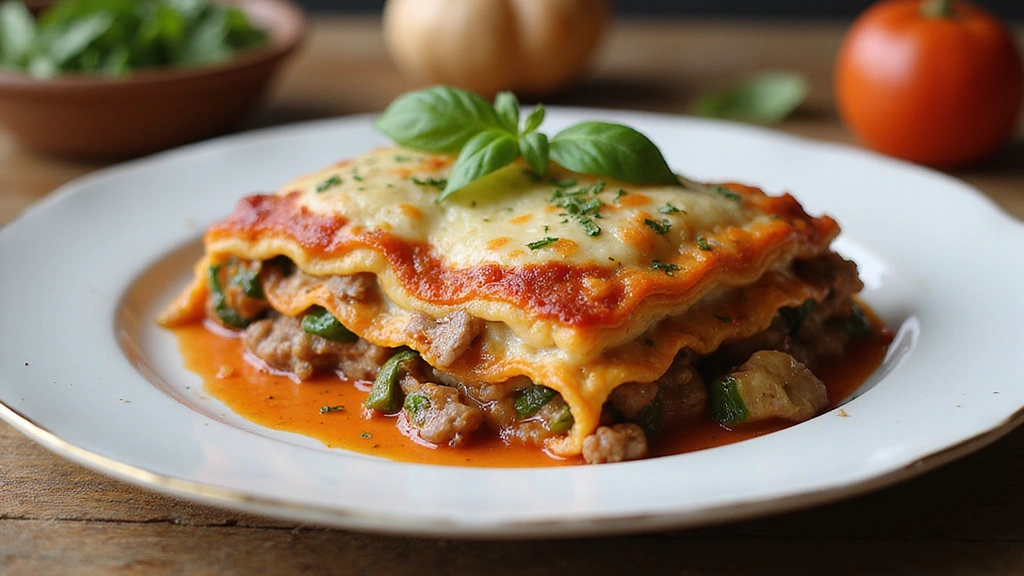
Lasagna Recipe with Vegetables and Meat is a delightful fusion of flavors that brings together the best of both worlds.
The hearty meat sauce marries beautifully with an array of fresh vegetables, creating a dish that is both satisfying and nourishing.
As the perfect comfort food, it combines the richness of traditional lasagna with the freshness of garden produce.
I first encountered this version of lasagna during a family gathering, where it quickly became a beloved staple.
Whether you’re indulging in a cozy night in or hosting a dinner party, this lasagna promises to impress with its balance of flavors and textures.
The History and Cultural Significance
• Lasagna traces its origins to Ancient Greece, where it was originally created by layering pasta and sauces.
• The dish evolved over decades as it spread through Europe, with Italian cooks adding rich tomato sauces and cheeses, eventually becoming the beloved version we know today.
• In Italy, this dish traditionally appears at festive gatherings and Sunday family dinners, symbolizing comfort and abundance.
• While many variations exist across different regions, the authentic version maintains layers of pasta, meat, and béchamel sauce that sets it apart from imitations.
Recipe Overview
Nutritional Information (per serving)
Essential Equipment Guide
Baking Dish: A sturdy, oven-safe baking dish is crucial for achieving the perfect lasagna. A glass or ceramic dish retains heat well, ensuring even cooking. Alternatives like metal pans can work but may affect the browning of the top layer.
Chef’s Knife: A sharp chef’s knife is essential for chopping vegetables uniformly. This ensures even cooking and texture. Look for a knife with a comfortable grip and balanced weight.
Non-stick Skillet: A non-stick skillet helps in browning the meat and sautéing vegetables without sticking. Alternatives like cast iron can be used but require more oil.
Ingredients
For the Base
|
|
| Amount | Ingredient | Notes |
|---|---|---|
| 9 sheets | lasagna noodles | pre-cooked for easy layering |
| 1.5 pounds | ground beef | browned for rich flavor |
For the Sauce
| Amount | Ingredient | Notes |
|---|---|---|
| 2 tablespoons | olive oil | adds richness |
| 3 cloves | garlic | minced for depth |
Vegetables
| Amount | Ingredient | Notes |
|---|---|---|
| 2 medium | zucchinis | sliced thinly |
| 1 large | red bell pepper | diced |
Seasonings
| Amount | Ingredient | Notes |
|---|---|---|
| 1 teaspoon | oregano | enhances flavor |
| 0.5 teaspoon | black pepper | adds warmth |
Preparation Methods
Sautéing: Sautéing is crucial for developing the flavors of the vegetables and meat. Cook the ingredients over medium-high heat until they are browned and aromatic. This step enhances the depth of your lasagna filling.
Layering: Proper layering ensures each bite has a balance of all the elements. Alternate noodles with the meat sauce, vegetables, and cheese, starting and ending with sauce and cheese.
Baking: Baking allows the flavors to meld and the cheese to form a golden crust. Use the middle rack for even heat distribution, and cover with foil initially to prevent overly browning.
Step 1: Prepare Ingredients
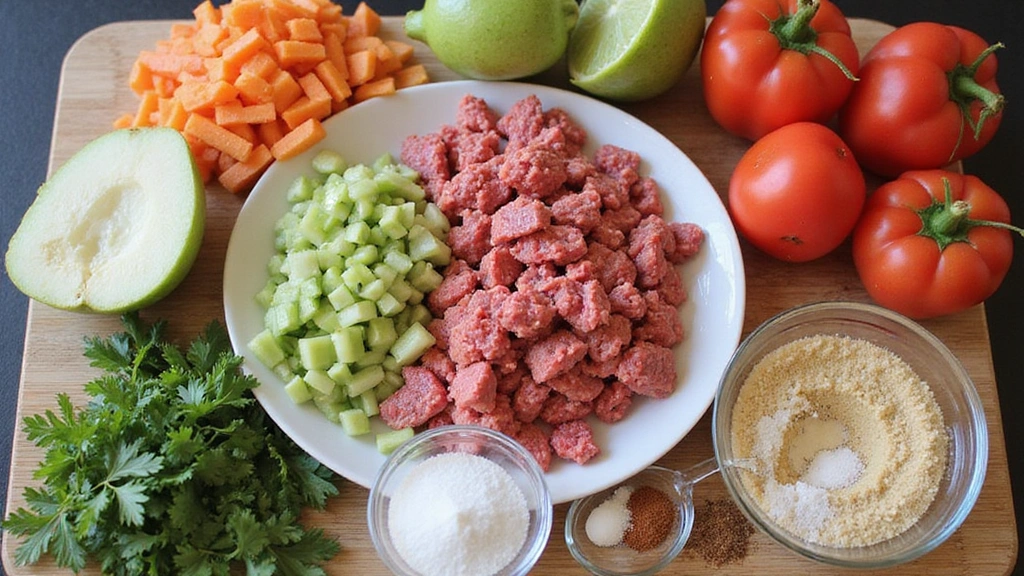
Gather all your ingredients and equipment.
Chop the vegetables and mince the garlic.
Ensure the ground beef is defrosted and ready to cook.
Preheat the oven to 375°F (190°C).
Step 2: Cook the Meat
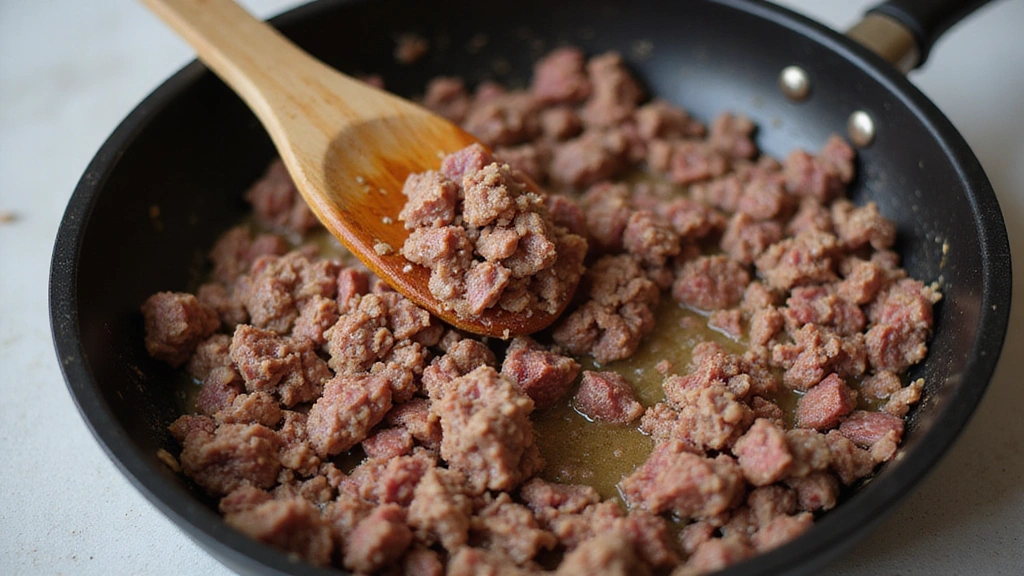
Heat a non-stick skillet over medium-high heat.
Add the ground beef, breaking it into small pieces as it cooks.
Continue to cook until it's browned evenly.
Drain excess fat and set aside.
Step 3: Sauté Vegetables
In the same skillet, add olive oil and minced garlic.
Add the sliced zucchinis and diced bell pepper.
Sauté until the vegetables are tender.
Season with oregano and black pepper.
Step 4: Assemble the Lasagna
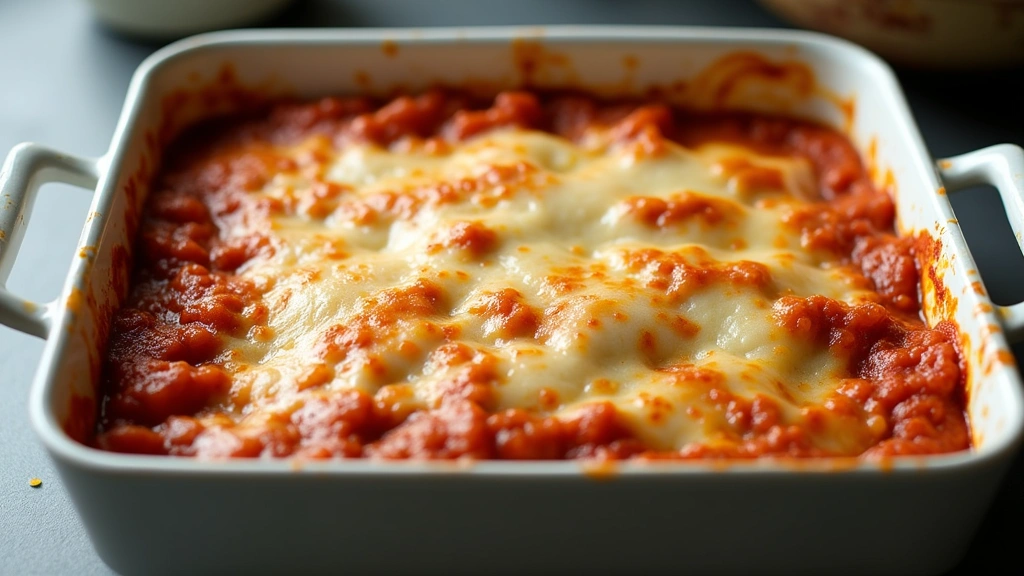
Spread a thin layer of sauce on the bottom of the baking dish.
Place a layer of lasagna noodles over the sauce.
Add a layer of the meat and vegetable mixture.
Repeat the layering process, finishing with cheese on top.
Step 5: Cover and Bake
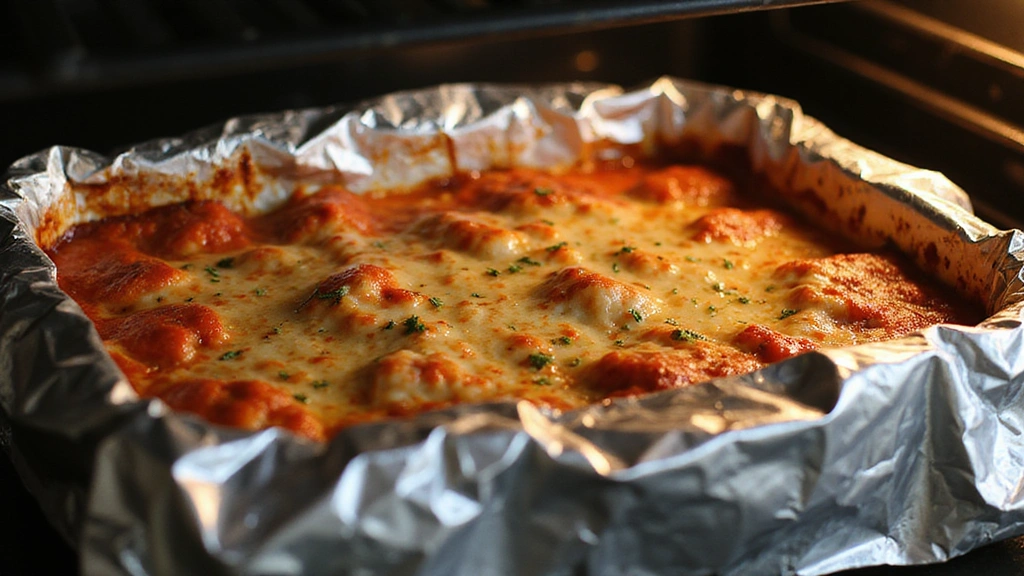
Cover the baking dish with aluminum foil.
Place in the preheated oven on the middle rack.
Bake for 30 minutes covered.
Remove the foil for the last 15 minutes for browning.
Step 6: Check for Doneness
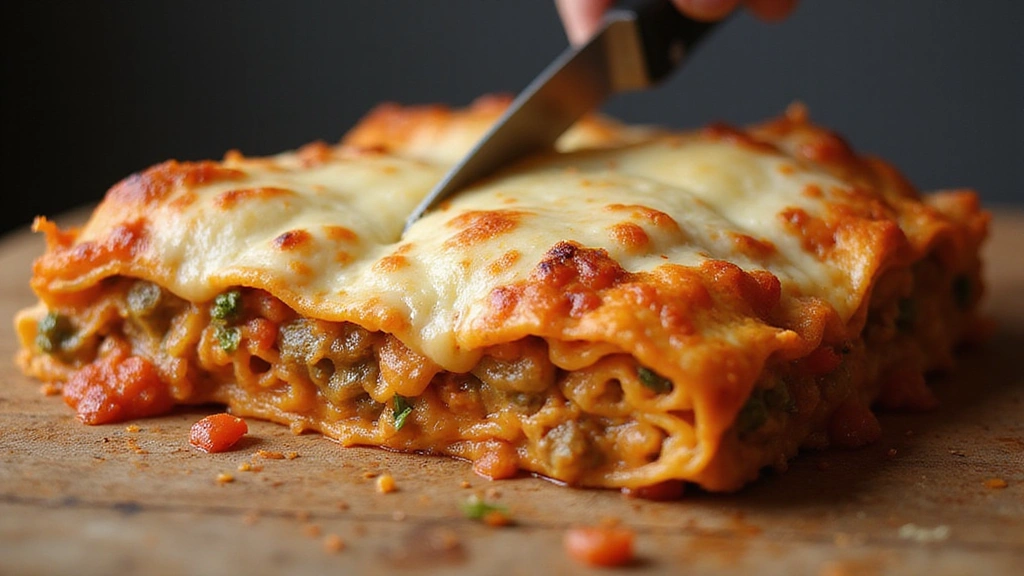
Look for bubbling cheese and a golden top as indicators.
Insert a knife to ensure noodles are soft.
If not done, leave for an additional 5-10 minutes.
Remove from the oven when fully cooked.
Step 7: Rest Before Serving
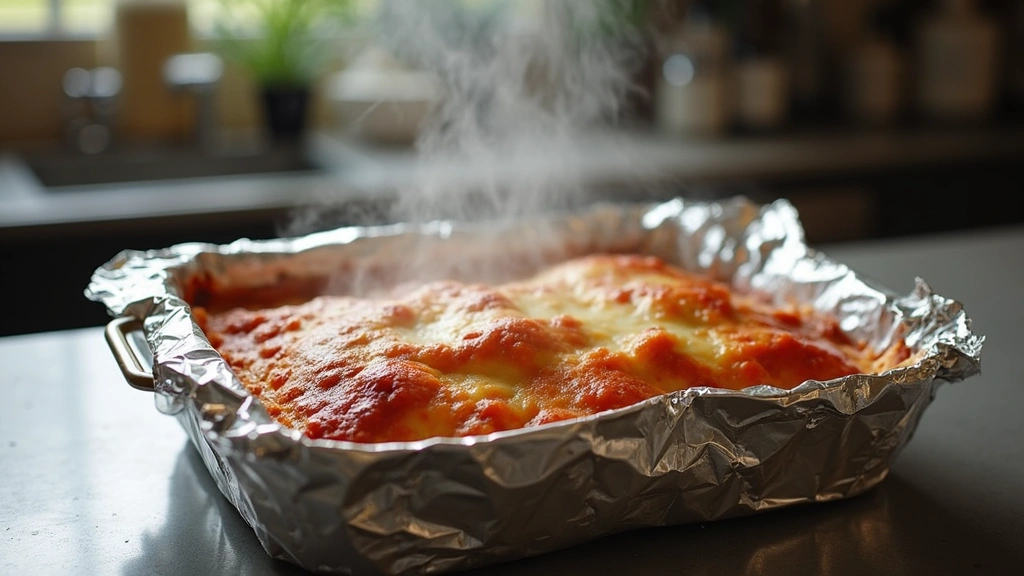
Allow the lasagna to rest for at least 10 minutes.
This helps set the layers for easier serving.
Resting also enhances the flavor.
Cover loosely with foil if necessary.
Step 8: Serve and Enjoy
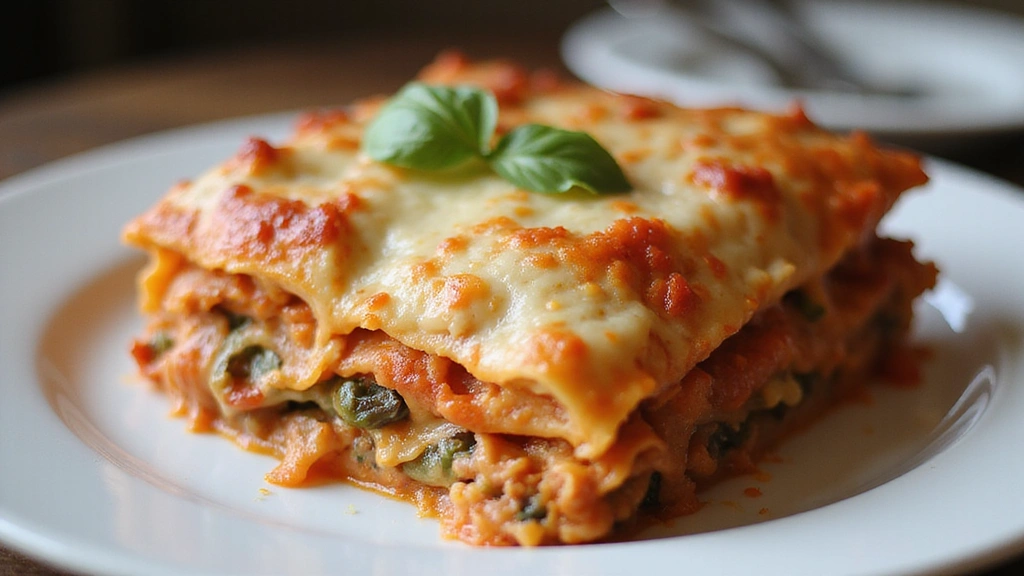
Use a sharp knife to cut the lasagna into portions.
Serve with a spatula for neat slices.
Pair with a side salad or garlic bread for a full meal.
Enjoy the medley of flavors in every bite.
Critical Timing and Temperature Guide
Baking Time: Bake at 375°F for 45 minutes, ensuring the top is bubbling and golden. Avoid overbaking to prevent dryness.
Resting Time: Allow the lasagna to rest for 10 minutes post-baking for optimal slicing and flavor melding.
Serving Temperature: Serve warm, not hot, to appreciate the full range of flavors without burning the palate.
Pro Tips for Lasagna Recipe with
• Ingredient Selection: Choose fresh, organic vegetables and high-quality beef for the best flavor and nutrition.
• Preparation Secret: Pre-soak lasagna noodles in hot water to reduce baking time and ensure even cooking.
• Temperature Management: Maintain a consistent oven temperature for even cooking throughout.
• Texture Enhancement: Use a mix of mozzarella and parmesan for a creamy, yet slightly crunchy top layer.
• Flavor Layering: Season each layer slightly to ensure a well-rounded flavor profile throughout.
• Make-Ahead Strategies: Prepare the meat sauce and chop the vegetables a day in advance, storing them separately in the fridge.
• Restaurant-Quality Finishing Touches: Add a sprinkle of fresh basil or parsley before serving for a pop of color and freshness.
• Equipment Optimization: Ensure your oven is preheated for accurate cooking times and results.
Troubleshooting Common Issues
• Texture Too Dense: Often caused by undercooked noodles or not enough sauce. Ensure noodles are pre-cooked properly and ample sauce is used.
• Flavors Unbalanced: Can occur from uneven seasoning. Taste and adjust seasoning during preparation.
• Cheese Not Melting Evenly: May result from uneven layering. Ensure cheese is spread uniformly.
• Overly Dry Lasagna: Caused by insufficient sauce or overbaking. Check sauce consistency and bake with foil initially.
• Undercooked Vegetables: Sauté vegetables until tender before layering to ensure they cook through.
• Runny Lasagna: Results from too much liquid in sauce. Simmer sauce longer to reduce liquid content.
Variations and Regional Differences
• Neapolitan Lasagna: Uses ricotta cheese and meatballs, differing from the classic beef and béchamel version.
• Vegetarian Lasagna: Omits meat and adds layers of spinach and mushrooms, often with a white sauce base.
• Seafood Lasagna: Incorporates shrimp and crab, using a lighter, cream-based sauce instead of tomato.
• Mediterranean Lasagna: Features feta cheese, olives, and eggplant for a distinct regional flavor.
Food Science Behind the Recipe
• Maillard Reaction: This browning process enhances flavors and creates the appealing crust on top.
• Emulsification: The blending of fat in cheese and oil in sauce creates a creamy texture.
• Gelatinization: Starch in noodles absorbs liquid, thickening the lasagna and setting the layers.
Frequently Asked Questions
What's the most common mistake people make when preparing Lasagna? Overcooking or undercooking the noodles, leading to either mushy or tough layers.
Can I freeze lasagna for later? Yes, lasagna freezes well. Assemble it, then freeze before baking. Thaw in the fridge before baking as usual.
How do I prevent lasagna from being watery? Simmer the sauce longer to reduce liquid content and ensure vegetables are not too wet.
Can I use other types of meat? Absolutely, ground turkey or chicken can be used as a leaner alternative.
Is it necessary to cover lasagna with foil? Covering with foil initially prevents the top from over-browning and drying out.
What's the best cheese combination? A mix of mozzarella for melt and parmesan for flavor works beautifully.
How do I store leftover lasagna? Keep it in an airtight container in the refrigerator for up to 3-4 days.
Serving and Presentation Guide
• Traditional Presentation: Serve directly from the baking dish, allowing guests to see the beautiful layers.
• Individual Plates: Serve square portions on warmed plates for a neat, elegant presentation.
• Family Style: Present the whole dish at the center of the table, allowing guests to help themselves.
• Garnished: Add a sprinkle of chopped parsley or basil for a fresh, vibrant look.
Conclusion
Lasagna Recipe with Vegetables and Meat offers a perfect blend of hearty and fresh flavors.
With its rich layers and satisfying textures, it's a dish that brings joy to any table.
Try this recipe for a comforting meal that showcases the best of both worlds in every bite.