

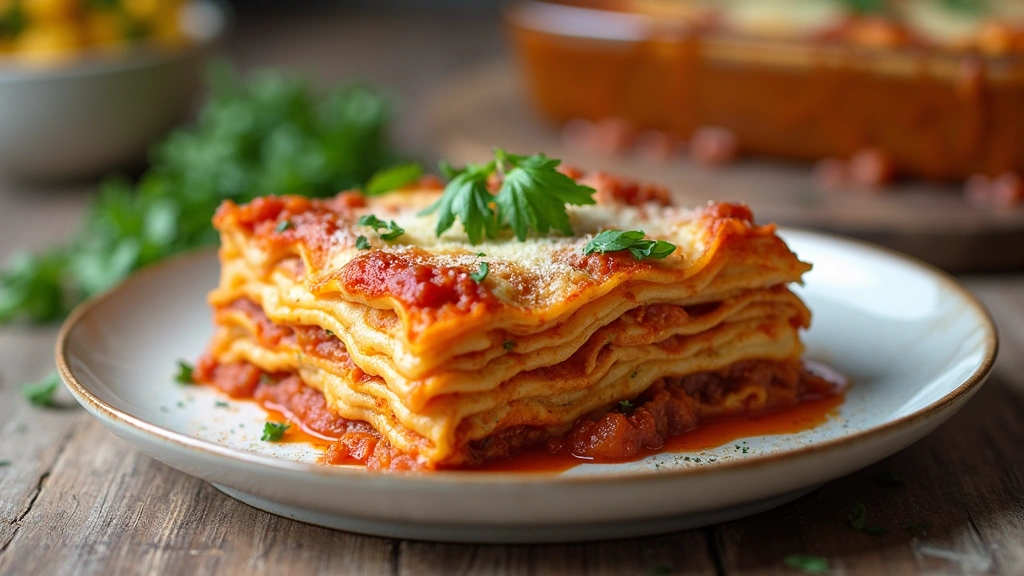
There’s nothing quite like the comforting layers of a well-made lasagna, with its rich sauces and gooey cheese.
But who has time for all that boiling and assembly on a busy weeknight?
This No Boil Lasagna Recipe is your ticket to a delicious, hearty meal in half the time of traditional methods.
By using no-boil noodles, you can cut down on prep time significantly while still enjoying all the classic flavors.
Perfect for a cozy family dinner or a casual gathering with friends, this lasagna is sure to become a favorite.
Get ready to embrace a hassle-free approach to a beloved classic.
The History and Cultural Significance
• No Boil Lasagna traces its origins to Italy, where it was originally created by resourceful home cooks looking to simplify traditional lasagna recipes.
• The dish evolved over decades as dried pasta sheets became more widely available, eventually becoming the beloved version we know today.
• In Italian culture, this dish traditionally appears at family gatherings, symbolizing warmth and togetherness.
• While many variations exist across different regions, the authentic version maintains the essential layers of pasta, cheese, and sauce that sets it apart from imitations.
Recipe Overview
Nutritional Information (per serving)
Essential Equipment Guide
Baking Dish: A good-quality baking dish ensures even cooking and easy cleanup. Look for a ceramic or glass dish with a lid for best results, although a foil-covered metal pan will also work.
Cheese Grater: Freshly grated cheese melts better and provides a superior flavor. A microplane or box grater works well, and an electric grater can save time if you’re cooking for a crowd.
Spatula: A sturdy spatula helps with layering and serving the lasagna. Opt for a heat-resistant silicone or metal spatula to prevent sticking and ensure clean slices.
Ingredients
For the Base
|
|
| Amount | Ingredient | Notes |
|---|---|---|
| 9 sheets | no-boil lasagna noodles | ready-to-use, no pre-cooking required |
For the Sauce
| Amount | Ingredient | Notes |
|---|---|---|
| 2 cups | marinara sauce | rich tomato flavor, store-bought or homemade |
| 1 pound | ground beef | browned, adds hearty texture |
Cheese Layer
| Amount | Ingredient | Notes |
|---|---|---|
| 1 cup | ricotta cheese | creamy texture |
| 2 cups | mozzarella cheese | shredded, melts beautifully |
| 1/2 cup | Parmesan cheese | grated, adds sharpness |
Seasonings
| Amount | Ingredient | Notes |
|---|---|---|
| 1 teaspoon | salt | enhances overall flavor |
| 1 teaspoon | dried oregano | adds earthy notes |
| 1 teaspoon | black pepper | for a slight kick |
Preparation Methods
Layering Technique: Layering is crucial for a well-structured lasagna. Start with sauce to prevent sticking, then alternate noodles, cheese, and meat. Press gently to eliminate air pockets.
Cheese Melting: The key to a gooey, golden top is proper cheese melting. Mix mozzarella and Parmesan for a blend that bubbles and browns beautifully.
Sauce Consistency: Use a sauce that's not too thick. A slightly runny consistency helps cook the noodles and infuses flavor throughout the dish. Adjust by adding a little water or broth if necessary.
Step 1: Prepare Ingredients
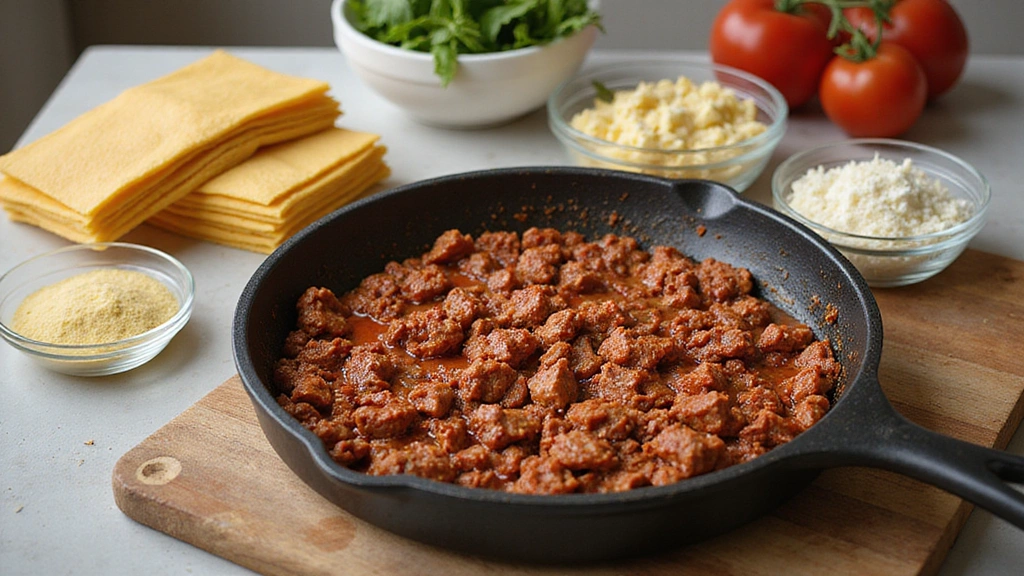
Gather all ingredients and equipment.
Preheat your oven to 375°F (190°C).
Brown the ground beef in a skillet over medium heat until fully cooked.
Drain excess fat and set aside.
Step 2: Mix Cheese Layer
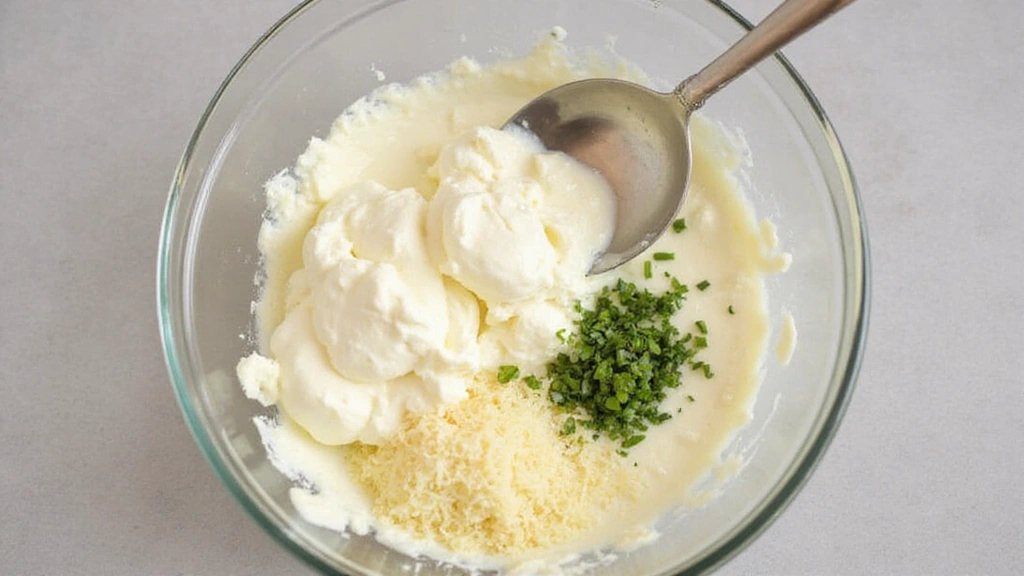
In a medium bowl, combine ricotta, 1 cup of mozzarella, and 1/4 cup of Parmesan.
Add salt, oregano, and pepper to the cheese mixture.
Stir until well combined and smooth.
Set aside for layering.
Step 3: Assemble First Layer
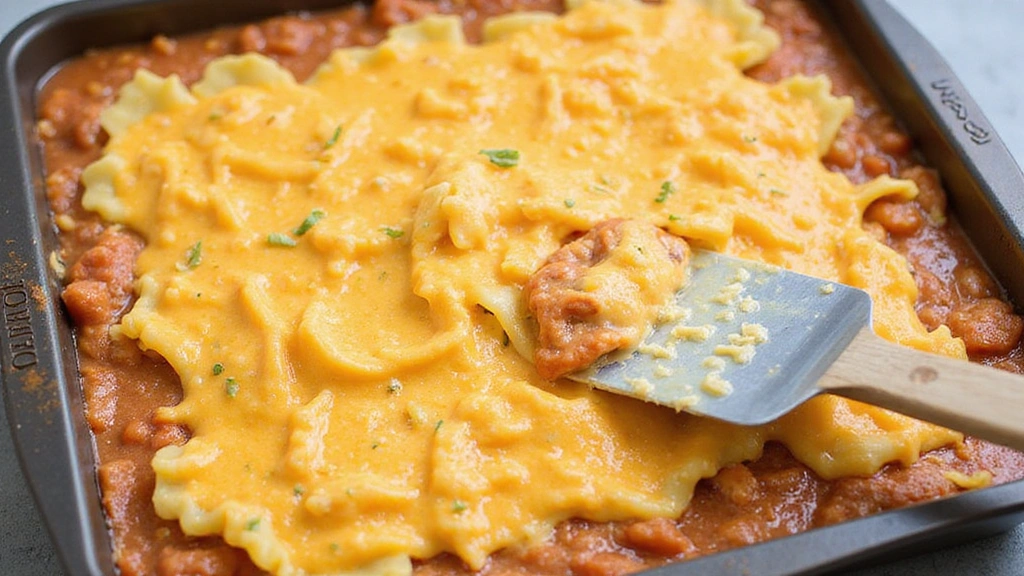
Spread a thin layer of marinara sauce on the bottom of the baking dish.
Place three no-boil noodles over the sauce, slightly overlapping.
Spread half of the cheese mixture over the noodles.
Add a layer of browned beef on top.
Step 4: Repeat Layers
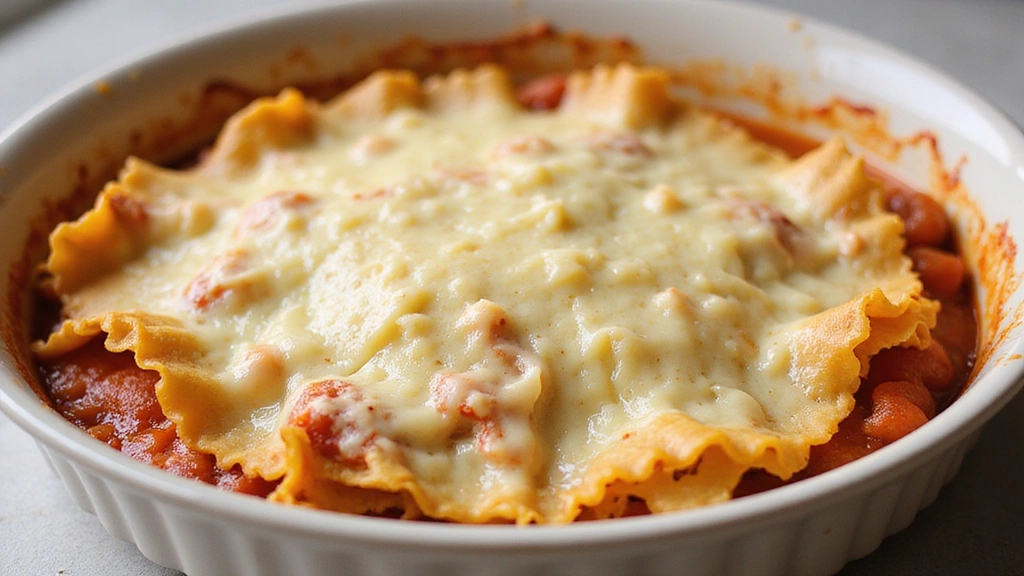
Add another layer of sauce over the beef.
Place three more no-boil noodles on top.
Spread the remaining cheese mixture evenly.
Top with remaining beef and sauce.
Step 5: Final Cheese Layer
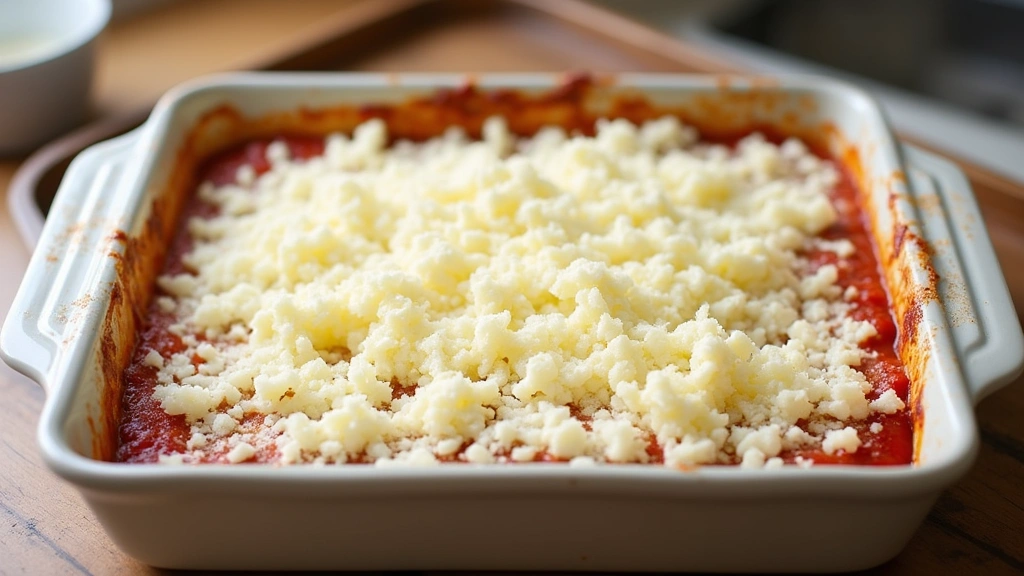
Place the last three noodles over the sauce.
Spread the remaining marinara sauce over the top layer of noodles.
Sprinkle the remaining mozzarella and Parmesan cheese evenly.
Ensure the noodles are completely covered.
Step 6: Cover and Bake
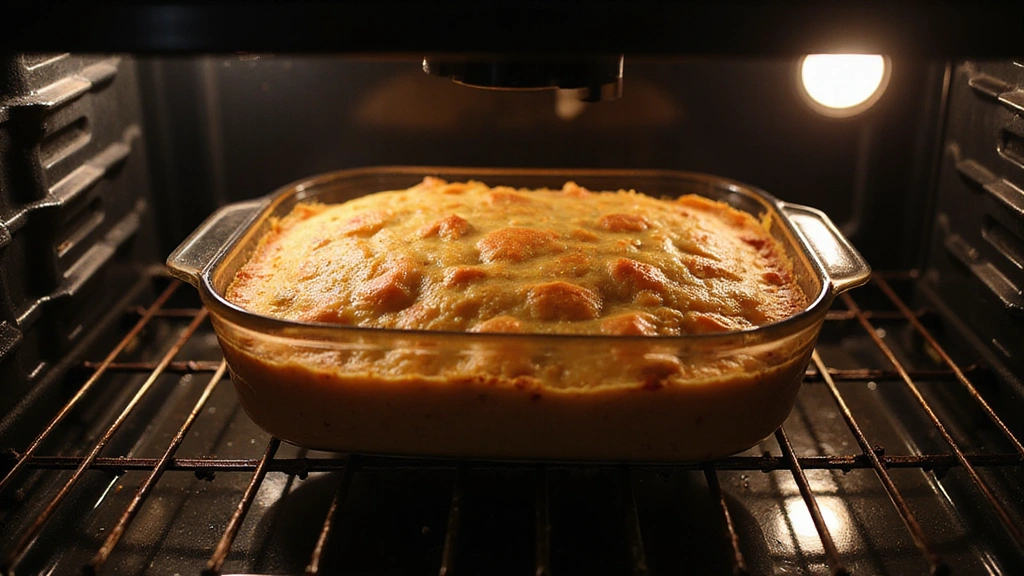
Cover the baking dish with a lid or aluminum foil.
Place in the preheated oven on the center rack.
Bake for 30 minutes covered to cook the noodles through.
Remove the cover for the last 10 minutes to brown the cheese.
Step 7: Rest and Serve
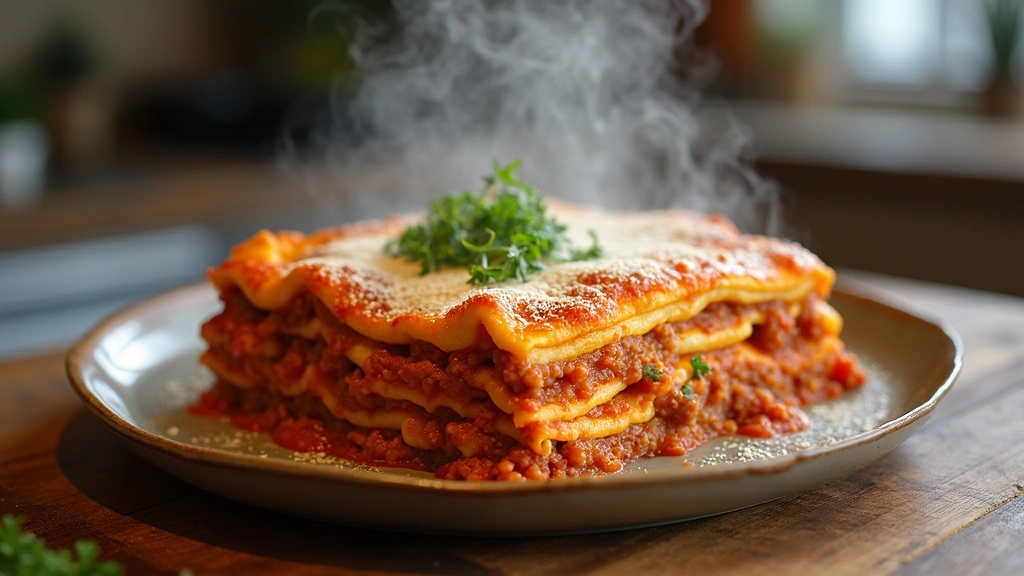
Remove lasagna from the oven and let it rest for 10 minutes.
This helps the layers set for easier serving.
Slice into portions with a sharp knife.
Serve hot with a side salad or garlic bread.
Critical Timing and Temperature Guide
Oven Preheat: Preheat to 375°F (190°C) for consistent cooking. Ensure the oven is fully preheated before baking.
Baking Time: Bake covered for 30 minutes, then uncovered for 10 minutes. Look for bubbling edges and a golden top.
Resting Period: Allow lasagna to rest for 10 minutes after baking to set layers. Avoid cutting too soon to prevent a messy texture.
Pro Tips for No Boil Lasagna
• Ingredient Selection: Choose a high-quality marinara sauce for the best flavor impact, as it forms the base of the dish.
• Preparation Secret: Soak no-boil noodles briefly in warm water to ensure even cooking and perfect texture.
• Temperature Management: Ensure your cheese mixtures are at room temperature for easier spreading and melting.
• Texture Enhancement: Use a mix of mozzarella and Parmesan for a gooey and crispy cheese topping.
• Flavor Layering: Add fresh basil or a splash of red wine to the marinara sauce for a deeper flavor profile.
• Make-Ahead Strategies: Assemble the lasagna a day in advance and refrigerate. This allows flavors to meld and makes for easier baking.
• Restaurant-Quality Finishing Touches: Garnish with fresh parsley or a sprinkle of extra Parmesan before serving for an elegant touch.
• Equipment Optimization: Use a high-quality baking dish with even heat distribution to ensure the lasagna cooks uniformly.
Troubleshooting Common Issues
• Watery Lasagna: Often caused by too much sauce or insufficient resting time. Ensure sauce consistency is thick and allow enough resting time before cutting.
• Cheese Not Melting: Use freshly grated cheese at room temperature for better melting. Avoid pre-packaged shredded cheese, which often contains anti-caking agents.
• Undercooked Noodles: If noodles are still tough, it could be due to insufficient sauce or baking time. Ensure noodles are fully covered with sauce and bake completely.
• Burnt Top: Happens if the oven temperature is too high or baking time is exceeded. Monitor closely in the last 10 minutes and cover with foil if needed.
• Uneven Layers: Caused by uneven spreading or unlevel baking dish. Ensure layers are evenly spread and press gently to level them out during assembly.
Variations and Regional Differences
• Southern Italian Style: Incorporates spicy Italian sausage and extra garlic for a robust flavor profile.
• Vegetarian Variation: Uses roasted vegetables like zucchini and mushrooms instead of meat, with a white béchamel sauce.
• Mexican Lasagna: Features corn tortillas instead of noodles and uses salsa, black beans, and cheddar cheese for a spicy twist.
• Seafood Lasagna: Includes shrimp and crabmeat, layered with a creamy Alfredo sauce and spinach.
Food Science Behind the Recipe
• Starch Gelatinization: Understanding how pasta absorbs liquid and heat helps achieve perfectly cooked noodles without boiling.
• Maillard Reaction: The browning of cheese on top of the lasagna enhances flavor through this chemical reaction.
• Emulsification: The process of combining fats and liquids in the cheese mixture creates a creamy texture and prevents separation.
Frequently Asked Questions
What's the most common mistake people make when preparing No Boil Lasagna? Not using enough sauce to fully cook the noodles is a frequent issue. Ensure noodles are completely covered to prevent dryness.
Can I use regular lasagna noodles instead of no-boil? Yes, but they must be pre-cooked according to package instructions before assembly.
How can I make this recipe gluten-free? Substitute no-boil gluten-free lasagna noodles and ensure all other ingredients are gluten-free certified.
What is the best way to store leftovers? Store leftovers in an airtight container in the refrigerator for up to three days or freeze for up to three months.
Can I add vegetables to this lasagna? Absolutely! Sautéed spinach, mushrooms, or zucchini are great additions that can be layered in.
How do I prevent the cheese from burning? Cover with foil if it starts to brown too quickly and remove in the last few minutes to finish browning.
Can I make this lasagna ahead of time? Yes, you can prepare and refrigerate it up to a day in advance, then bake when ready to serve.
Serving and Presentation Guide
• Traditional Presentation: Serve in the baking dish for a rustic, family-style presentation, allowing guests to help themselves.
• Individual Portions: Cut into neat squares and serve on individual plates for a more formal setting.
• Garnishing: Add a sprinkle of fresh herbs like basil or parsley and a dusting of Parmesan before serving.
• Accompaniments: Pair with a crisp green salad and crusty garlic bread for a complete meal.
Conclusion
This No Boil Lasagna Recipe offers the perfect balance of convenience and flavor, making it a must-try for any pasta lover.
By following these expert tips and techniques, you can enjoy a delicious homemade lasagna without the fuss of boiling noodles.
Whether you're cooking for family or friends, this dish is sure to impress with its rich layers and comforting taste.