

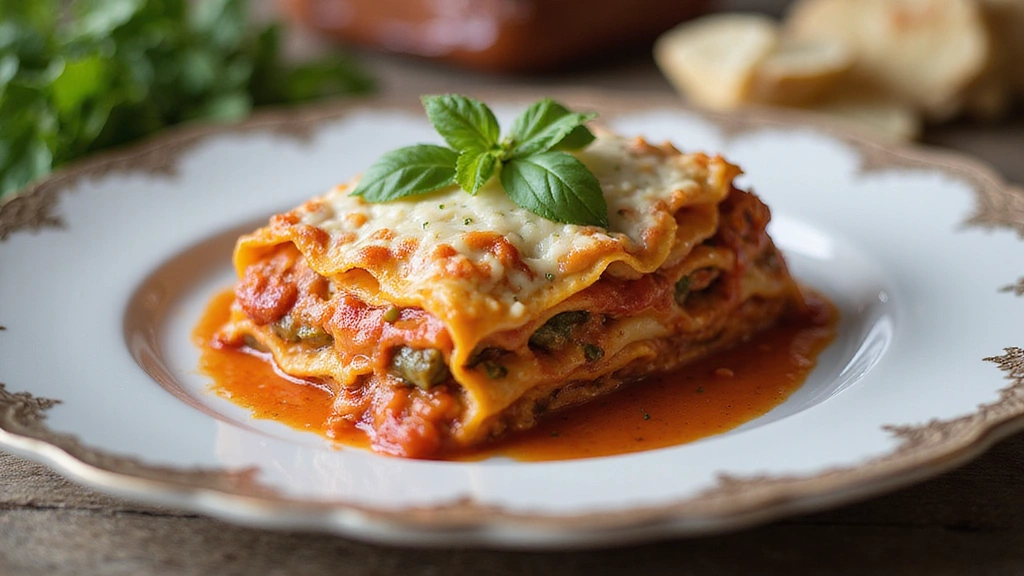
Lasagna with cottage cheese is a delightful twist on the classic Italian favorite.
The creamy texture of the cheese melds perfectly with layers of rich tomato sauce and savory ground beef.
I first encountered this comforting dish during a cozy family gathering, where it quickly became a beloved staple.
The balance of flavors and ease of preparation make it ideal for both weeknight dinners and special occasions.
If you’re looking for a dish that combines simplicity with indulgence, this lasagna recipe will not disappoint.
The History and Cultural Significance
• Lasagna traces its origins to ancient Greece, where a dish similar to lasagna was first created using layers of pasta and sauce.
• The dish evolved over decades as tomatoes became prevalent in Italian cuisine, eventually becoming the beloved version we know today.
• In Italian culture, this dish traditionally appears at family gatherings and celebrations, symbolizing unity and comfort.
• While many variations exist across different regions, the authentic version maintains the use of fresh pasta and rich tomato sauce that sets it apart from imitations.
Recipe Overview
Nutritional Information
Essential Equipment Guide
Baking Dish: A sturdy baking dish is essential for achieving the right texture and even cooking. Alternatives like a casserole dish can work, but a ceramic or glass dish is ideal for heat retention and presentation.
Chef’s Knife: A sharp chef’s knife is crucial for preparing ingredients with precision. Alternatives include a Santoku knife, but look for a knife with a comfortable grip and balanced weight.
Mixing Bowl: A large mixing bowl is important for combining ingredients efficiently. While any large bowl can suffice, a stainless steel bowl is recommended for its durability and ease of cleaning.
Ingredients
For the Base
|
|
| Amount | Ingredient | Notes |
|---|---|---|
| 12 sheets | lasagna noodles | cooked al dente |
| 1 pound | ground beef | browned and drained |
For the Sauce
| Amount | Ingredient | Notes |
|---|---|---|
| 2 cups | tomato sauce | rich and flavorful |
| 1 tablespoon | olive oil | for sautéing |
Vegetables
| Amount | Ingredient | Notes |
|---|---|---|
| 1 medium | onion | finely chopped |
| 2 cloves | garlic | minced |
Seasonings
| Amount | Ingredient | Notes |
|---|---|---|
| 1 teaspoon | salt | enhances flavor |
| 1 teaspoon | dried oregano | adds earthiness |
For the Cheese Layer
| Amount | Ingredient | Notes |
|---|---|---|
| 2 cups | cottage cheese | creamy texture |
| 1 cup | mozzarella cheese | shredded |
| 1 cup | Parmesan cheese | grated |
Preparation Methods
Layering Technique: Mastering the layering technique is crucial for a well-structured lasagna. Start with a thin layer of sauce, followed by noodles, and repeat with cheese and meat. This ensures even distribution of flavors.
Sautéing: Proper sautéing of onions and garlic is essential for depth of flavor. Heat oil until shimmering, add ingredients, and cook until translucent. Avoid browning to maintain sweetness.
Cheese Blending: Blending cottage cheese with grated cheeses helps achieve a creamy consistency. Use a fork to evenly mix and ensure no lumps remain for a smooth layer.
Step 1: Prepare Ingredients
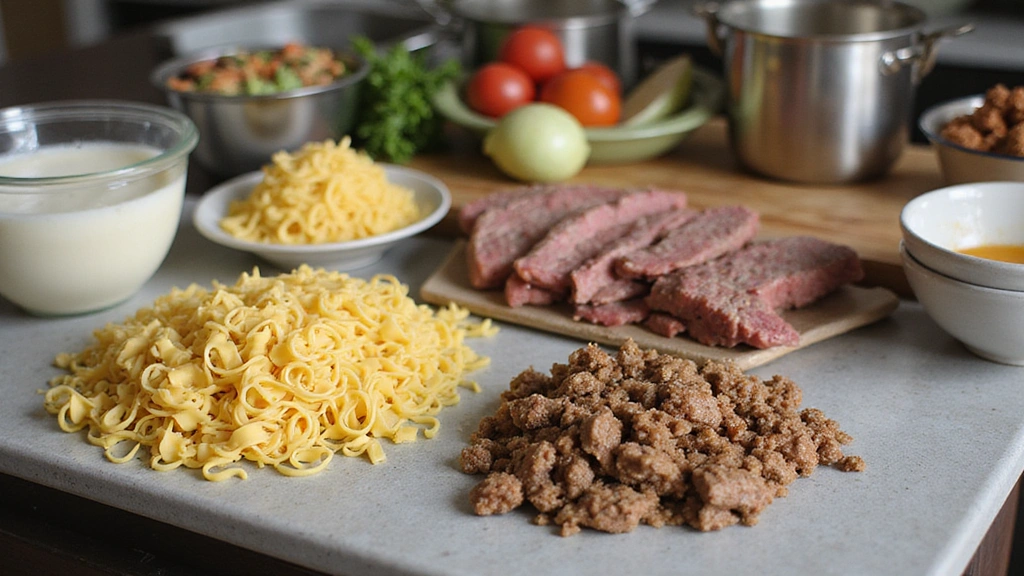
Gather all ingredients and equipment needed for the recipe.
Cook lasagna noodles according to package instructions until al dente.
Drain noodles and set aside to cool slightly.
Ensure ground beef is browned and drained of excess fat.
Step 2: Sauté Vegetables
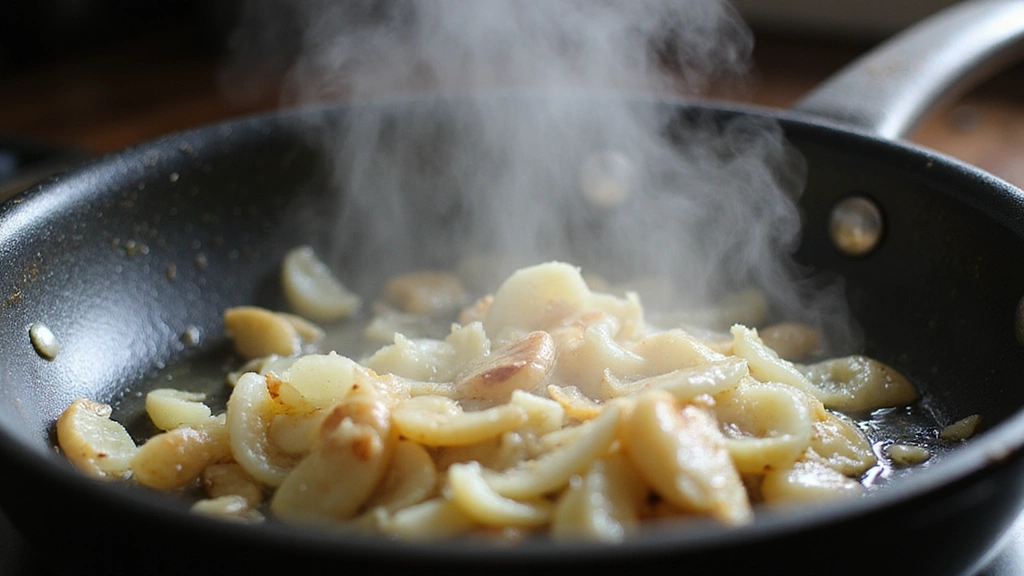
Heat olive oil in a large skillet over medium heat.
Add chopped onion and minced garlic to the skillet.
Cook until onions are translucent and garlic is fragrant, about 5 minutes.
Stir occasionally to prevent sticking.
Step 3: Prepare Sauce
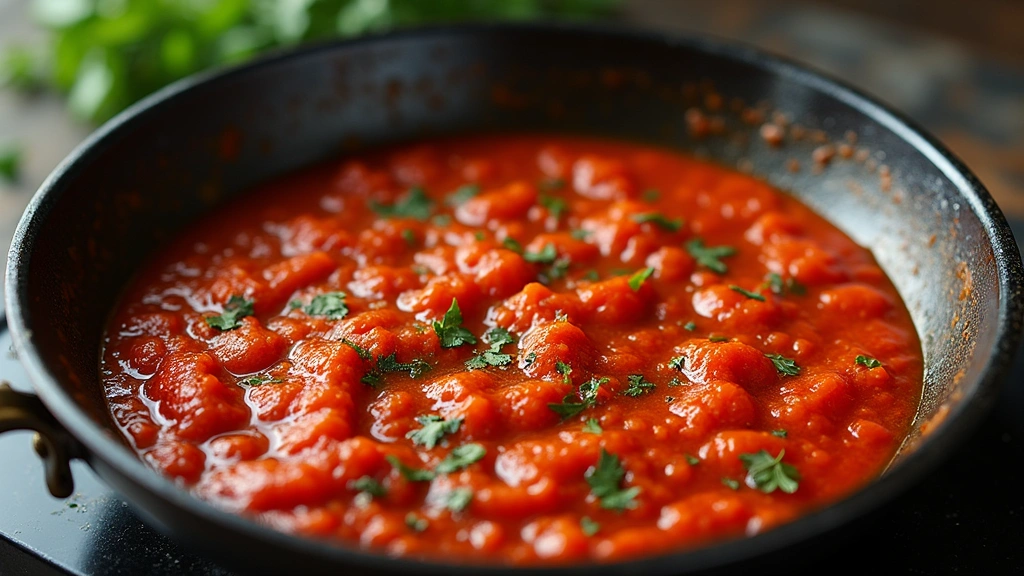
Add tomato sauce to the skillet with sautéed vegetables.
Stir in salt and oregano for seasoning.
Allow the sauce to simmer gently for 10 minutes.
Taste and adjust seasonings if necessary.
Step 4: Blend Cheese
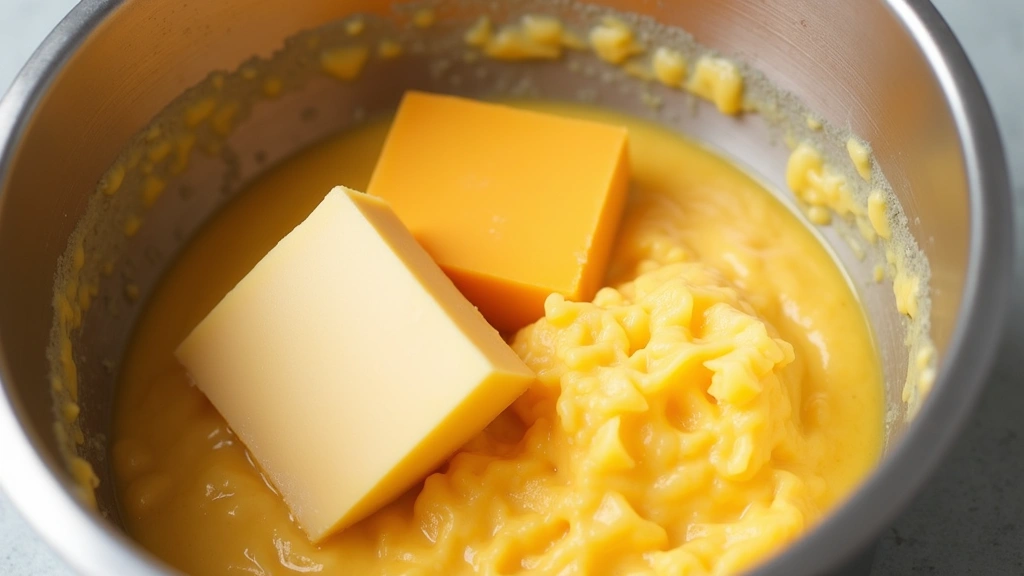
In a mixing bowl, combine cottage cheese, mozzarella, and Parmesan.
Use a fork to blend until smooth.
Ensure no large lumps remain for a creamy consistency.
Set cheese mixture aside for layering.
Step 5: Assemble Lasagna
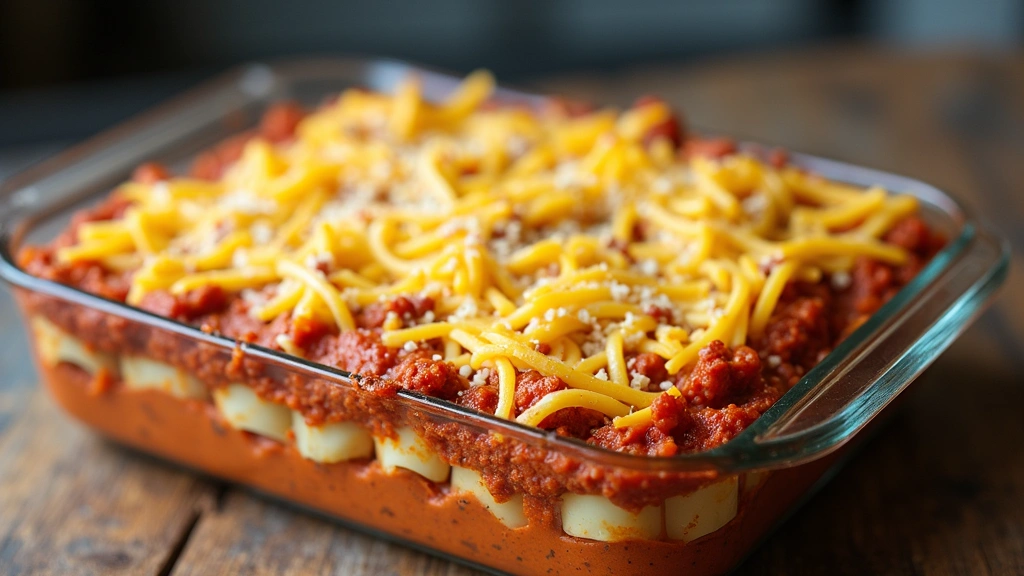
Preheat oven to 375°F (190°C).
Spread a thin layer of sauce on the bottom of the baking dish.
Layer noodles, followed by meat, cheese, and more sauce.
Repeat layers, finishing with a top layer of cheese.
Step 6: Bake Lasagna
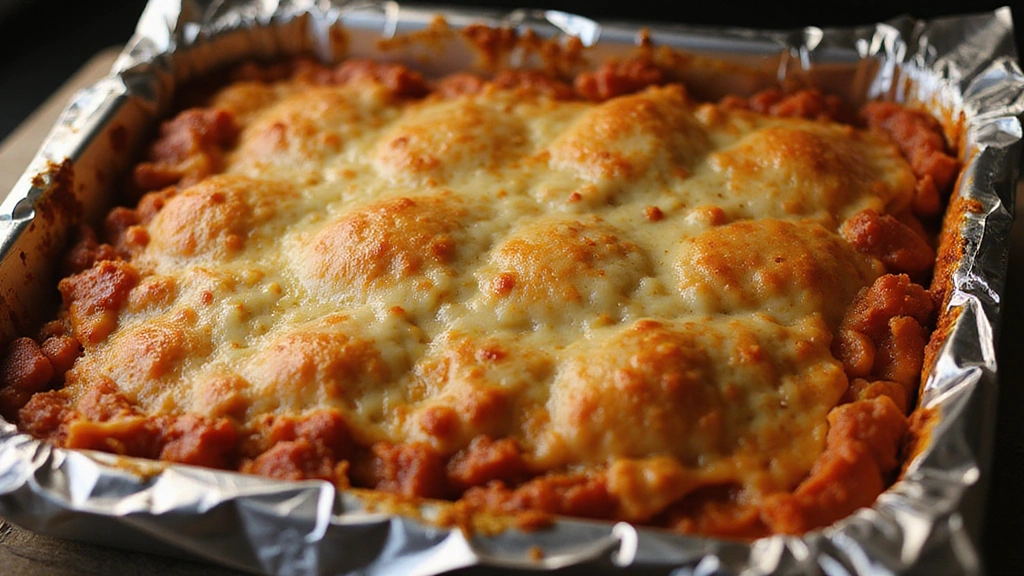
Cover the baking dish with aluminum foil to retain moisture.
Bake in the preheated oven for 30 minutes.
Remove foil and bake for an additional 15 minutes to brown the top.
Ensure cheese is bubbly and golden.
Step 7: Rest and Serve
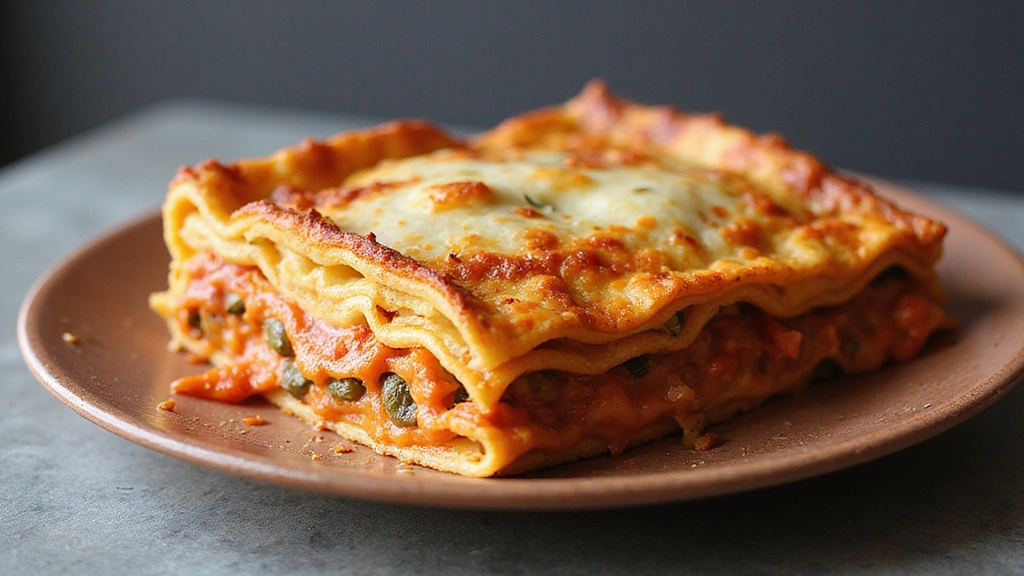
Remove lasagna from the oven and let it rest for 10 minutes.
This allows the layers to set and flavors to meld.
Cut into even portions using a sharp knife.
Serve hot with a side of garlic bread or salad.
Step 8: Garnish
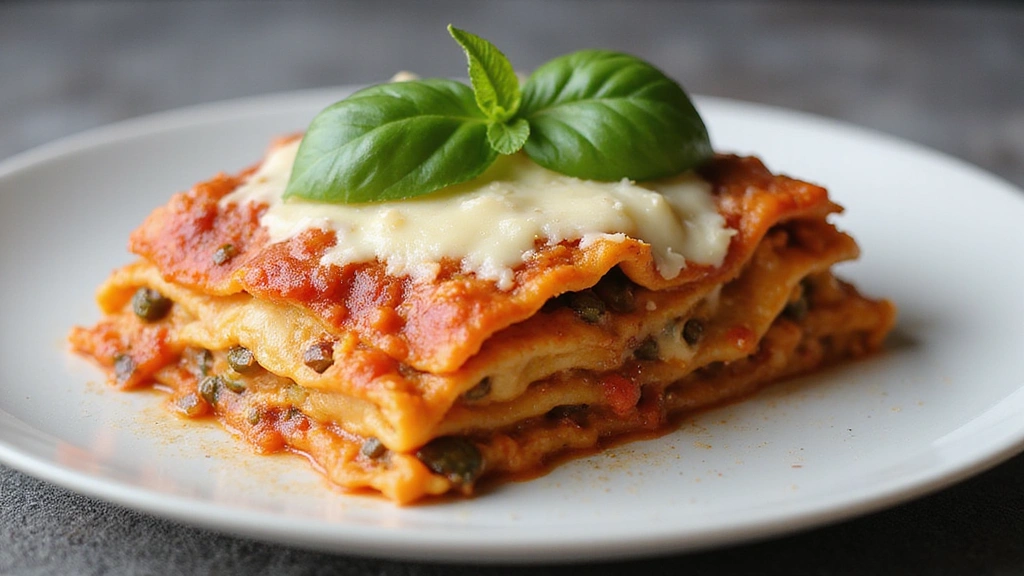
Sprinkle additional Parmesan cheese over the top for extra flavor.
Garnish with fresh basil leaves for a pop of color.
Optional: Drizzle with a little olive oil for added richness.
Serve immediately for best taste.
Critical Timing and Temperature Guide
Noodle Cooking: Cook noodles until al dente, approximately 8-10 minutes. Visual indicators are a firm but not hard texture. Avoid overcooking, which leads to mushy layers.
Baking: Bake at 375°F (190°C) for 45 minutes total. Check for a bubbling surface and golden cheese. Common mistakes include underbaking, resulting in uneven texture.
Resting: Rest lasagna for 10 minutes after baking. This allows layers to set and makes slicing easier. Avoid skipping this step, which can lead to sloppy servings.
Pro Tips for Lasagna Recipe with Cottage Cheese
• Ingredient Selection: Choose high-quality cottage cheese and fresh mozzarella for best results. Fresh cheeses make a significant difference in texture and flavor.
• Preparation Secret: Allow the meat sauce to simmer longer for deeper flavors. This step is often overlooked but enhances the overall dish.
• Temperature Management: Use room temperature ingredients for even cooking and better integration.
• Texture Enhancement: Layering with precision ensures each bite has the perfect balance of ingredients.
• Flavor Layering: Add a pinch of nutmeg to the cheese blend for a subtle depth of flavor.
• Make-Ahead Strategies: Assemble lasagna a day in advance and refrigerate. This enhances flavor development and simplifies preparation.
• Restaurant-Quality Finishing Touches: Broil for the last 2 minutes for a perfectly crispy top layer.
• Equipment Optimization: Ensure even oven heating by rotating the dish halfway through baking.
Troubleshooting Common Issues
• Texture Too Dense: Overcooked noodles can make the texture dense. Use al dente noodles and avoid over-layering cheese.
• Flavors Unbalanced: If flavors are too bland, increase seasoning in the sauce. Taste the sauce before layering to adjust.
• Cheese Separation: If cheese becomes oily, ensure even mixing and avoid high-fat cheeses.
• Undercooked Layers: If layers are undercooked, ensure proper oven temperature and preheat adequately.
• Watery Lasagna: Drain cottage cheese and other wet ingredients to avoid excess moisture.
• Burnt Top: Use foil for the initial bake and remove for the final browning. Monitor closely to prevent burning.
Variations and Regional Differences
• Southern Italian Style: This version uses ricotta instead of cottage cheese and includes spicy Italian sausage for a bold flavor.
• Vegetarian Variation: Replace meat with layers of grilled vegetables such as zucchini and eggplant, adding a fresh twist.
• Seafood Lasagna: Incorporates shrimp and crab for a coastal take, using a white sauce instead of tomato-based.
• Mexican Fusion: Features tortillas instead of noodles, with layers of seasoned beef, black beans, and cheddar cheese.
Food Science Behind the Recipe
• Emulsion Stability: The blending of cottage cheese with other cheeses creates a stable emulsion, ensuring a creamy texture without separation.
• Maillard Reaction: Browning the top layer of cheese develops complex flavors through the Maillard reaction, enhancing the overall taste.
• Gluten Development: Cooking noodles to al dente ensures proper gluten development, providing structure and preventing sogginess.
Frequently Asked Questions
What's the most common mistake people make when preparing lasagna? Overcooking the noodles, leading to a mushy texture. Ensure noodles are cooked al dente for best results.
Can I freeze lasagna? Yes, lasagna can be frozen before or after baking. Ensure it's well-wrapped to prevent freezer burn.
How do I prevent a watery lasagna? Drain all ingredients properly and avoid adding excessive sauce.
Is it necessary to use foil while baking? Yes, foil helps retain moisture and prevents the top from burning before the inside is cooked.
Can I substitute cottage cheese with ricotta? Yes, ricotta can be used for a creamier texture, but cottage cheese offers a unique flavor profile.
How long can I store leftovers? Leftover lasagna can be stored in the refrigerator for up to 3-4 days.
What should I do if the cheese doesn't melt properly? Ensure cheese is at room temperature before using, and cover with foil to aid melting.
Serving and Presentation Guide
• Traditional Presentation: Serve lasagna in rustic ceramic dishes, garnished with fresh basil and Parmesan.
• Modern Plating: Present individual portions on large white plates, with a drizzle of balsamic reduction for contrast.
• Family Style: Serve directly from the baking dish at the table for a casual, communal experience.
• Gourmet Touch: Pair with a side of arugula salad dressed with lemon vinaigrette for a refreshing balance.
Conclusion
Lasagna with cottage cheese is a comforting dish that combines tradition with a unique twist.
It's perfect for both casual weeknight meals and special family gatherings.
Give this recipe a try and enjoy the rich layers of flavor and texture that make it truly special.